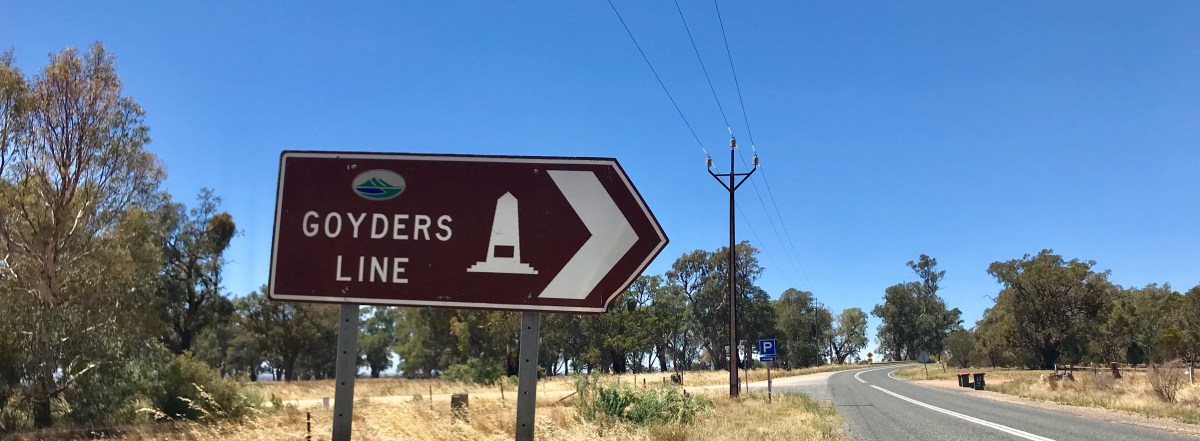
Some time in 1865, a man called George Goyder, the then Surveyor General of the ‘new colony’ of Australia was tasked to produce charts marking areas of land that were viable for arable and livestock farming. Despite only having 30 years’ worth of data for South Australia, he was able, based on rainfall and soil records, to give settlers an idea of what was possible as they ventured into the latitudes north. He drew up an imaginary line beyond which it was recommended that arable farming was not possible.
Uncharacteristically, the following 10 years produced exceptional rainfall levels well into the arid zones Goyder had deemed unsuitable. Settlers with little knowledge of farming in this new world, wagon-trained it northwards in search of unpegged land. Many settled in the areas south of the Flinders, and for a number of years flourished with the unusually kind climes that the 1860s threw up.
Railheads on the famous Ghan railway were built and bushel upon bushel of wheat was sent south annually. It was [just] profitable for several years before the climate changed – or reverted back to being characteristic of what Goyder’s records showed.
Villages, homesteads and railway communities went into decline, with diehards remaining on what they thought was their land that should provide. Year after year hoping that the annual rainfall would be an improvement on the last. It wasn’t to be; most folk were finished by 1900, many of whom died in their efforts to remain.

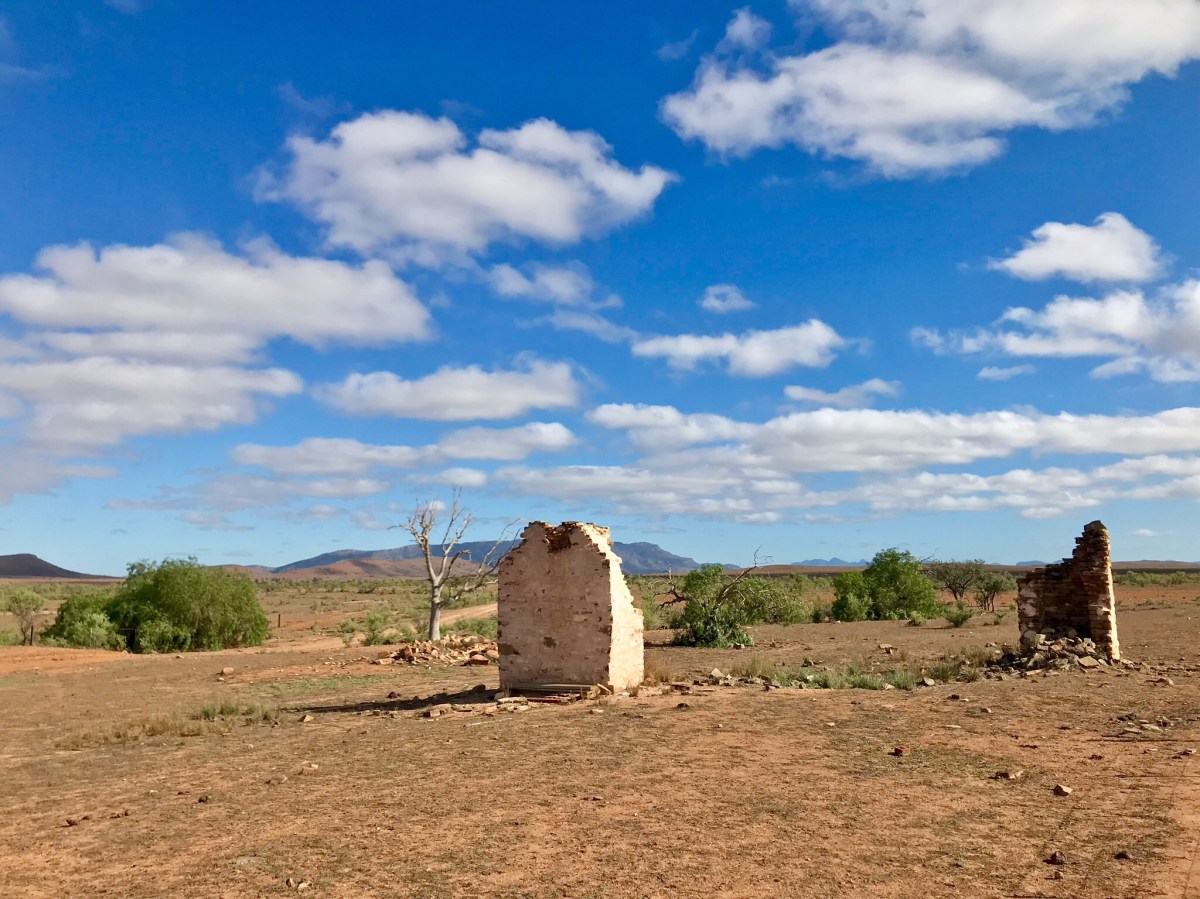
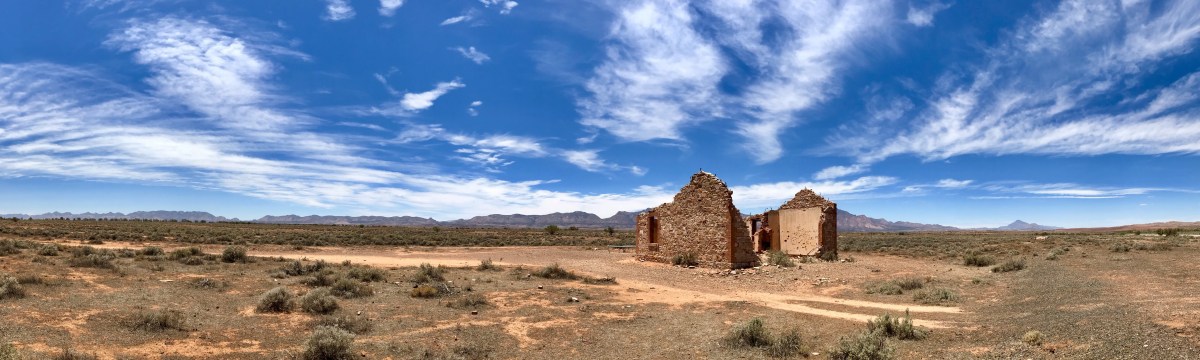
What is left of a homestead belonging to an English family called Ireland [Not Irish people]
The story told here on a proud plaque, was that Irelands settled in this spot leagues north of the recommended Goyder line and survived ‘comfortably’ until 1880 when Mr Ireland fell off his horse and died from his injuries. His widow, with 4 sons under 10 years old, managed to continue life pitted against the hardships of the changing climate. Tragedy added to by bad luck.
The children grew up and 3 left for New South Wales, and the other made his home in the nearest town. Mrs Ireland lived on here alone for another 30 years. Today her descendants still own the plot, but in the arid climate what remains is a stark reminder of the hardy stock that took the chance of a better life away from the Old Country.
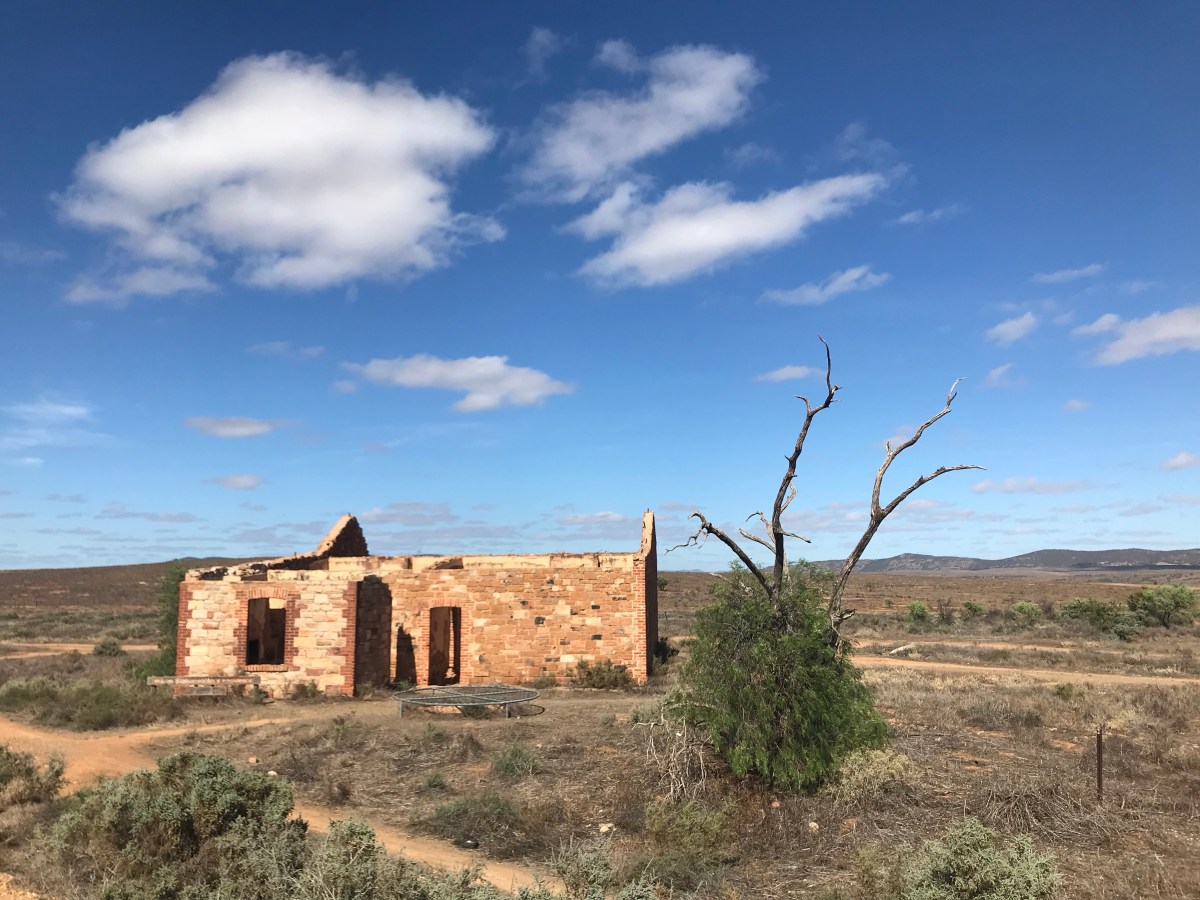
The Village of Wilson… 60mm rainfall a year
Once a little farming hub reliant on communication with the outside world by the 3 day a week Ghan train that ran south to Quorn, this place supported a population of 75 at its peak. Until the rains failed – or went back to what we know today.
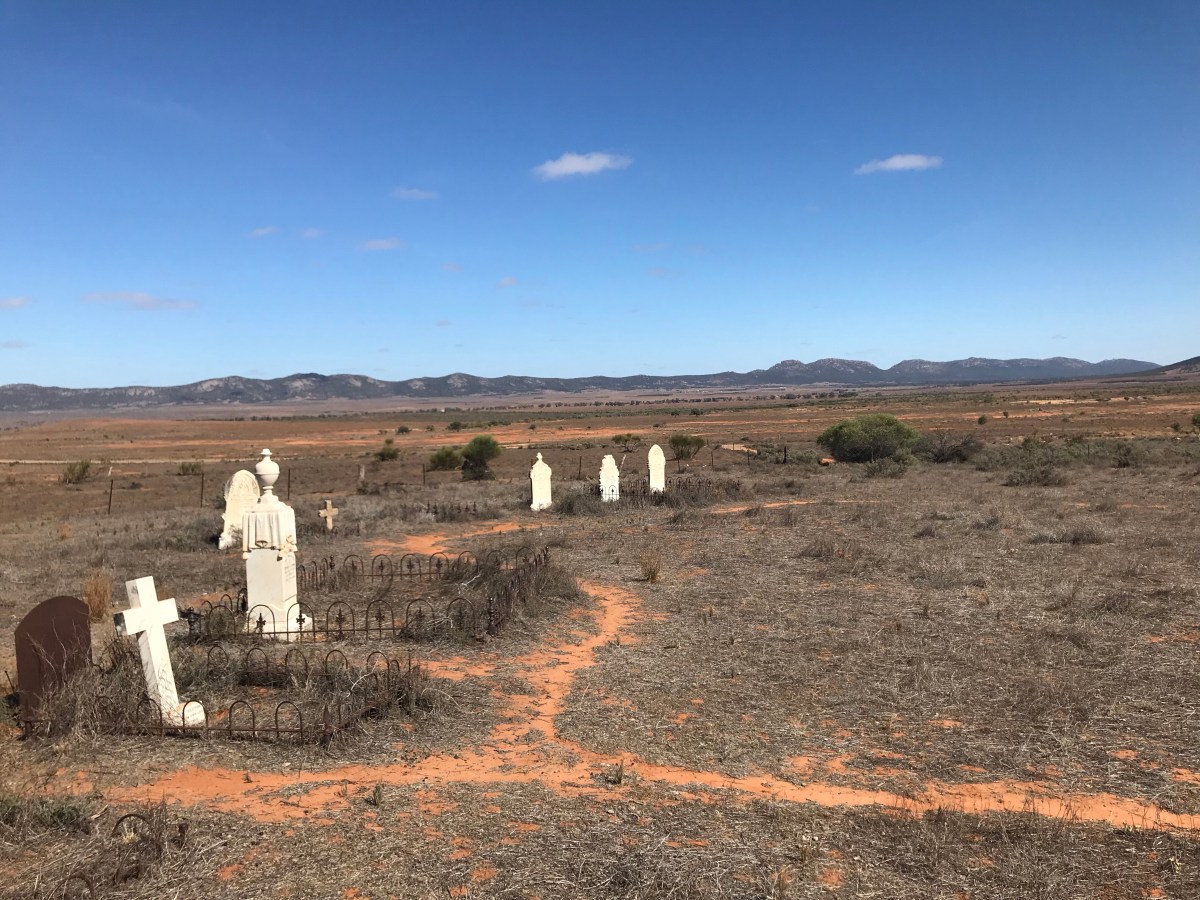
The Cemetery at Wilson
There are 15 marked graves, and another 42 unmarked. Looking at the church roll it is recorded that over half of the people at rest here were dead before 10 years of age. Doubtless a passage to Australia was ‘miss sold’ as being a promise of a new life blah, blah, but by the time many had survived up to 6 months at sea, gone through quarantine, and told that all the good stuff had been bagged; a Victorian slum mightn’t have been so bad.
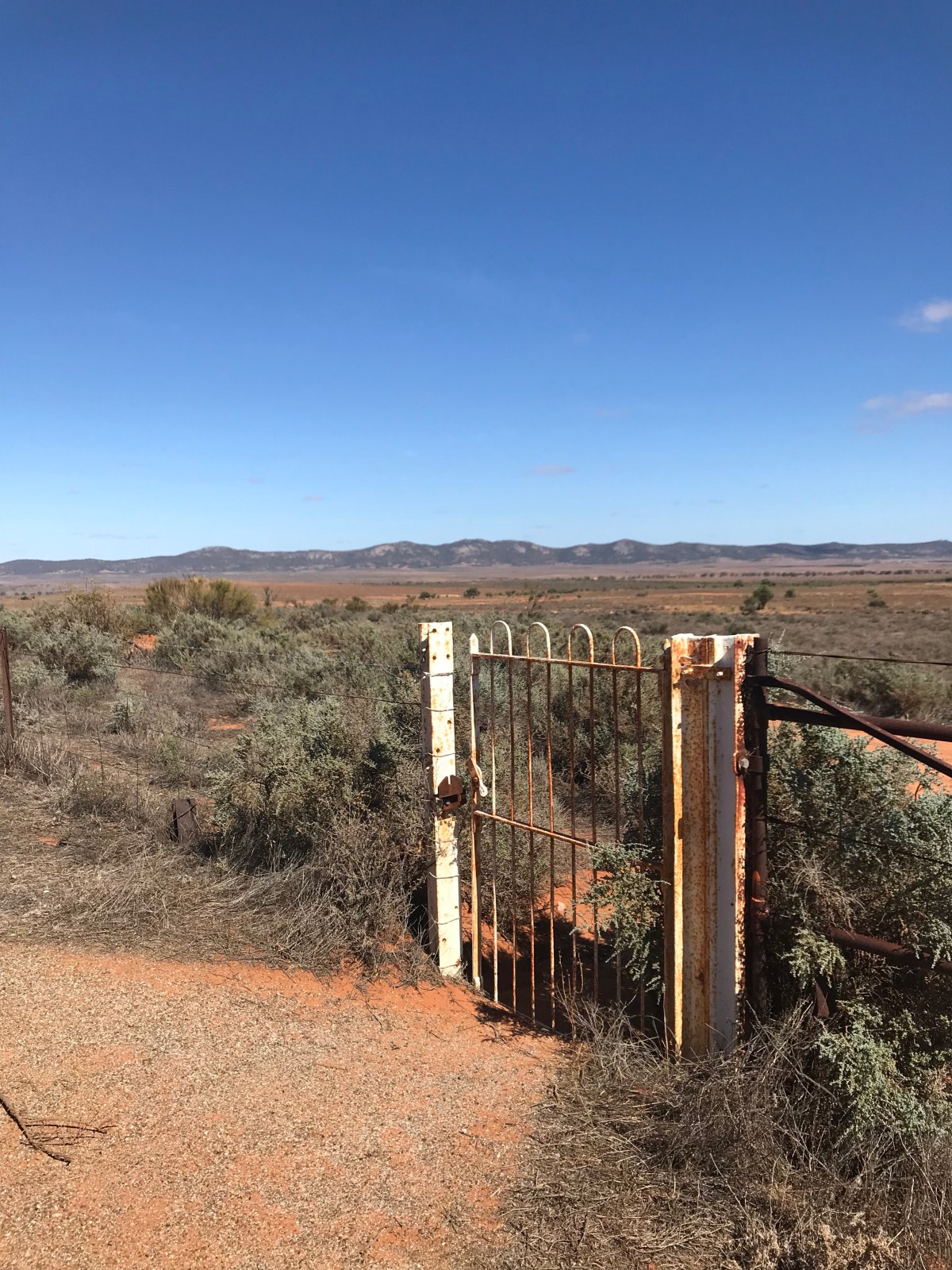
No movement and not a sound. Beneath the desert soil the desiccated remains of Wilson are probably still wishing for rain.

More bad luck at a place called Willochra


 jimsoccasionalblog