A map of Tasmania always shows, pretty distinctly, a large green wilderness to its western side. If you look closely, that wilderness comprises of around 20% of the island’s total area. For Australia this wild refuge may seem small in comparison to the size of the mainland, but within the land space of Tasmania the Franklin Gordons and Wild West National Parks cover a world of their own.
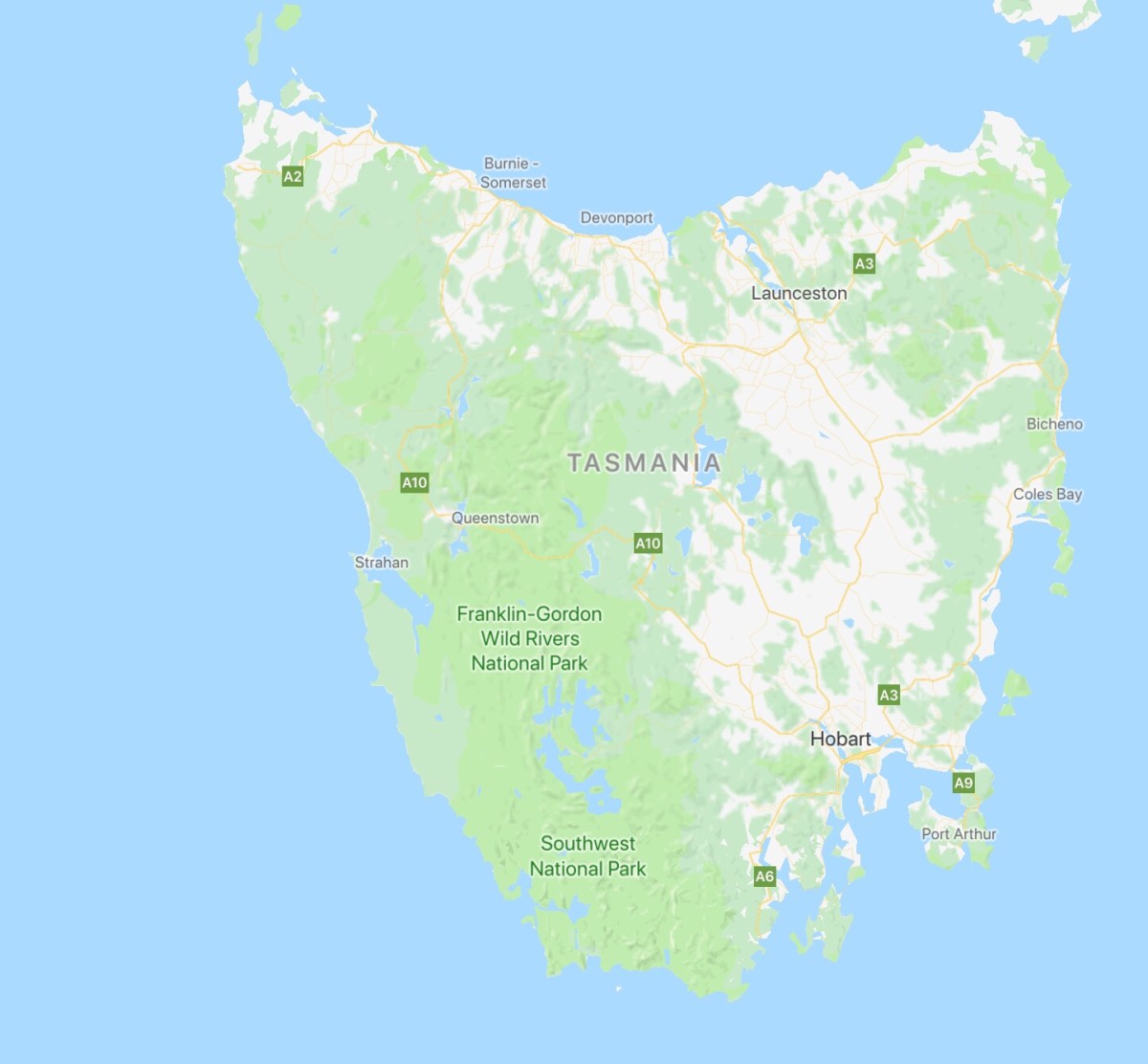
A day after the excesses of the MONA experience I studied the map and realised that there were really NO roads into this wilderness. Bar one that crossed to a place called Queenstown and then a port called Strahan. The guidebook confirmed this, and only added that access to the large green ‘uncharted’ part was only by 4WD and on very limited tracks. Effectively like it must have been in the mid 19th century. Bravo let’s go anyway…
On the one bit you can go on.
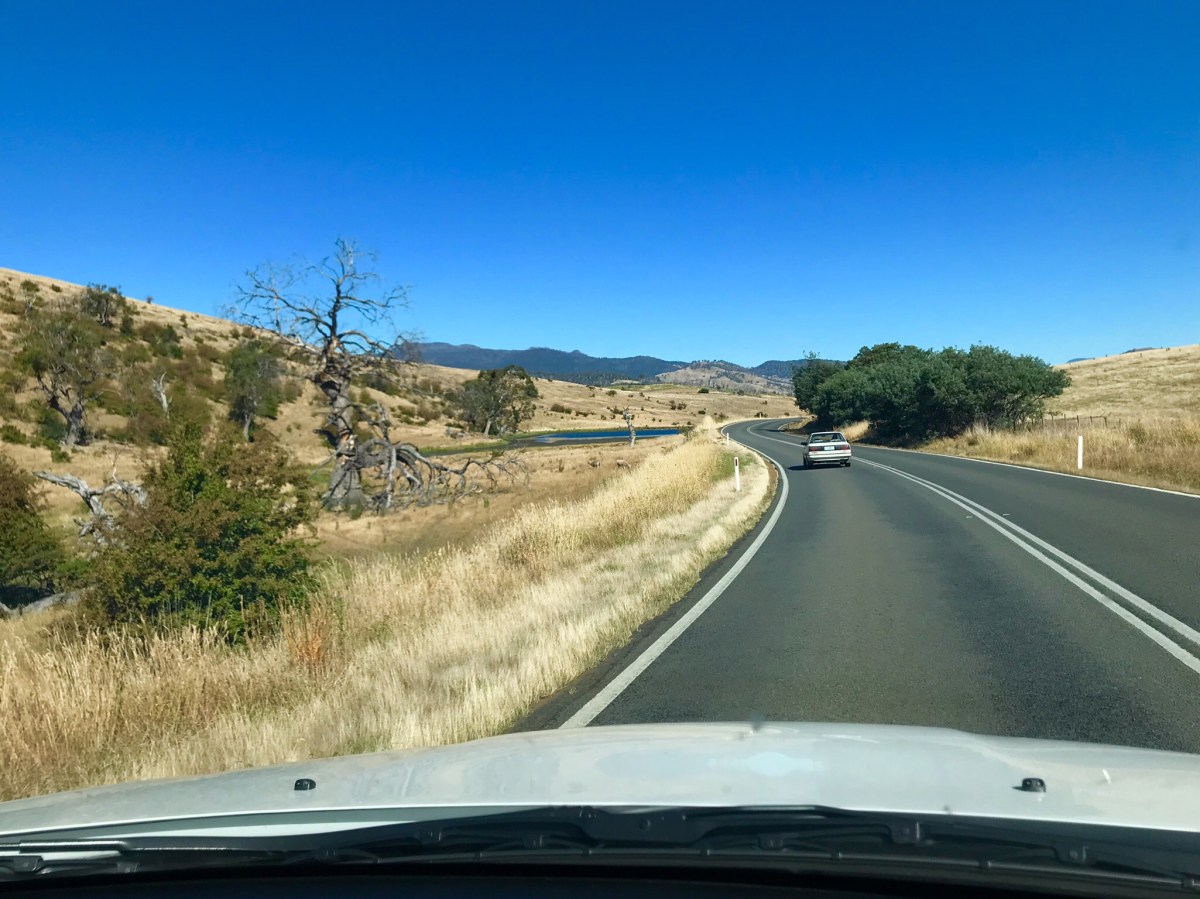
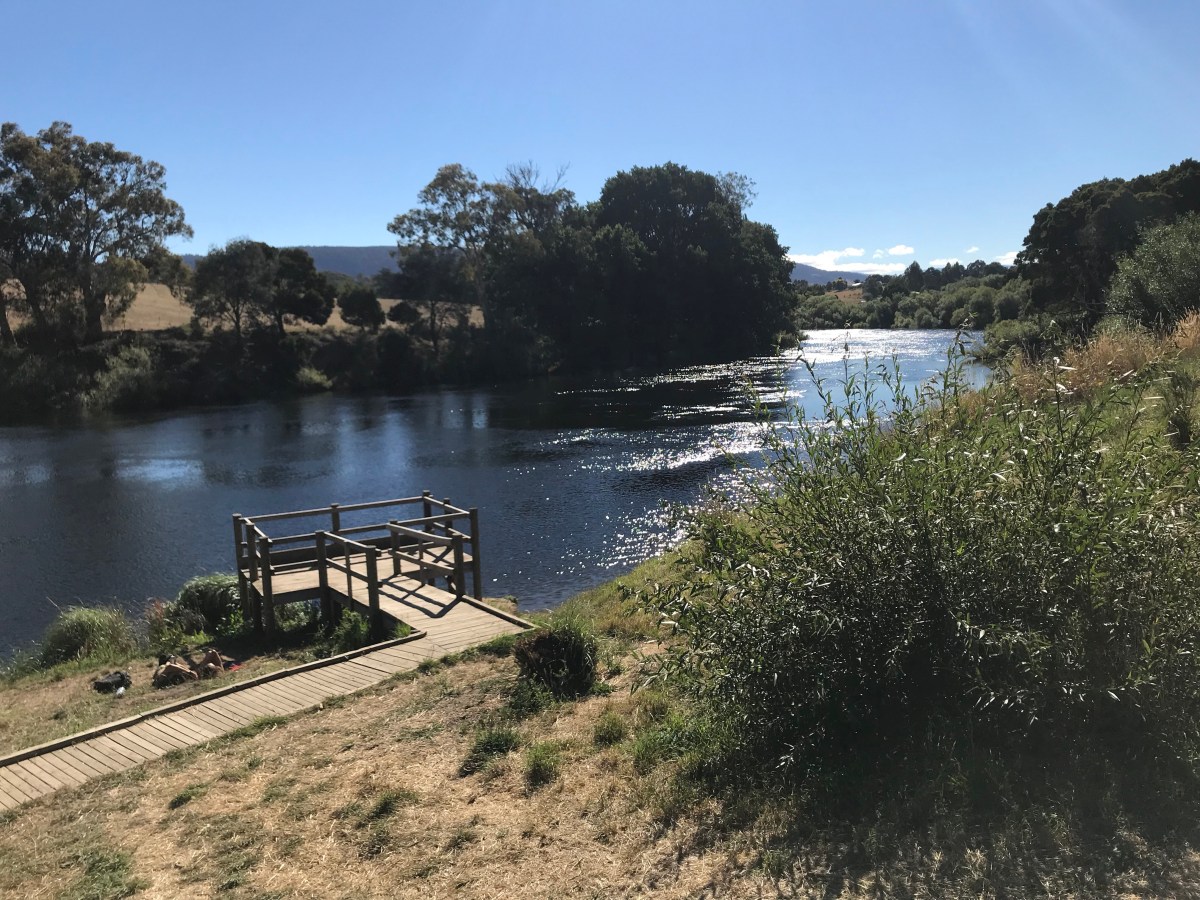
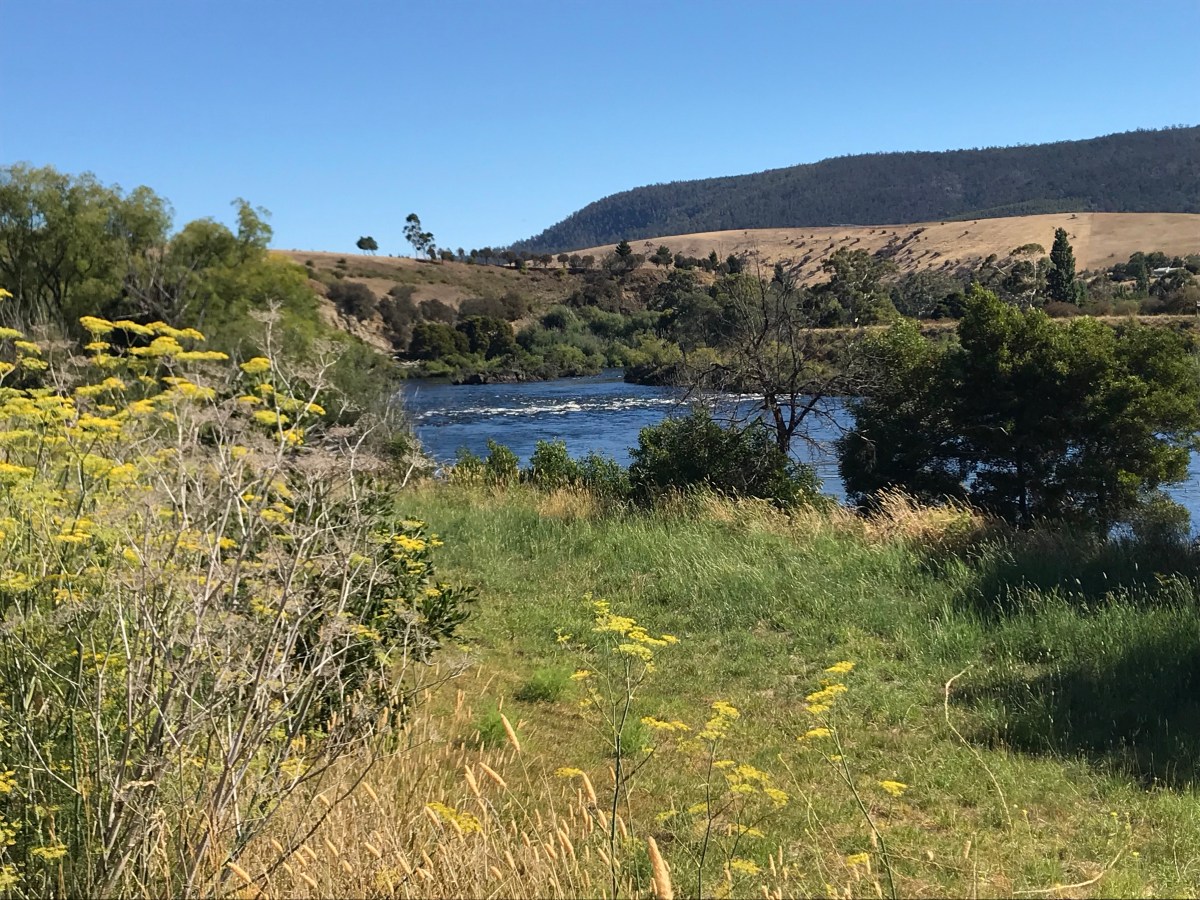
Above: Cleared farming country and the river Derwent. Good fishing advertised. Note the ‘alien’ fennel in foreground
These areas above and the logging scene below are just the ‘hinterlands’ of what much of the current Tasmanian landscape resembles. Land hungry settlers must have poured ‘up country’ in their efforts to get to the best spot. Logging, shooting and no doubt squabbling all the way.
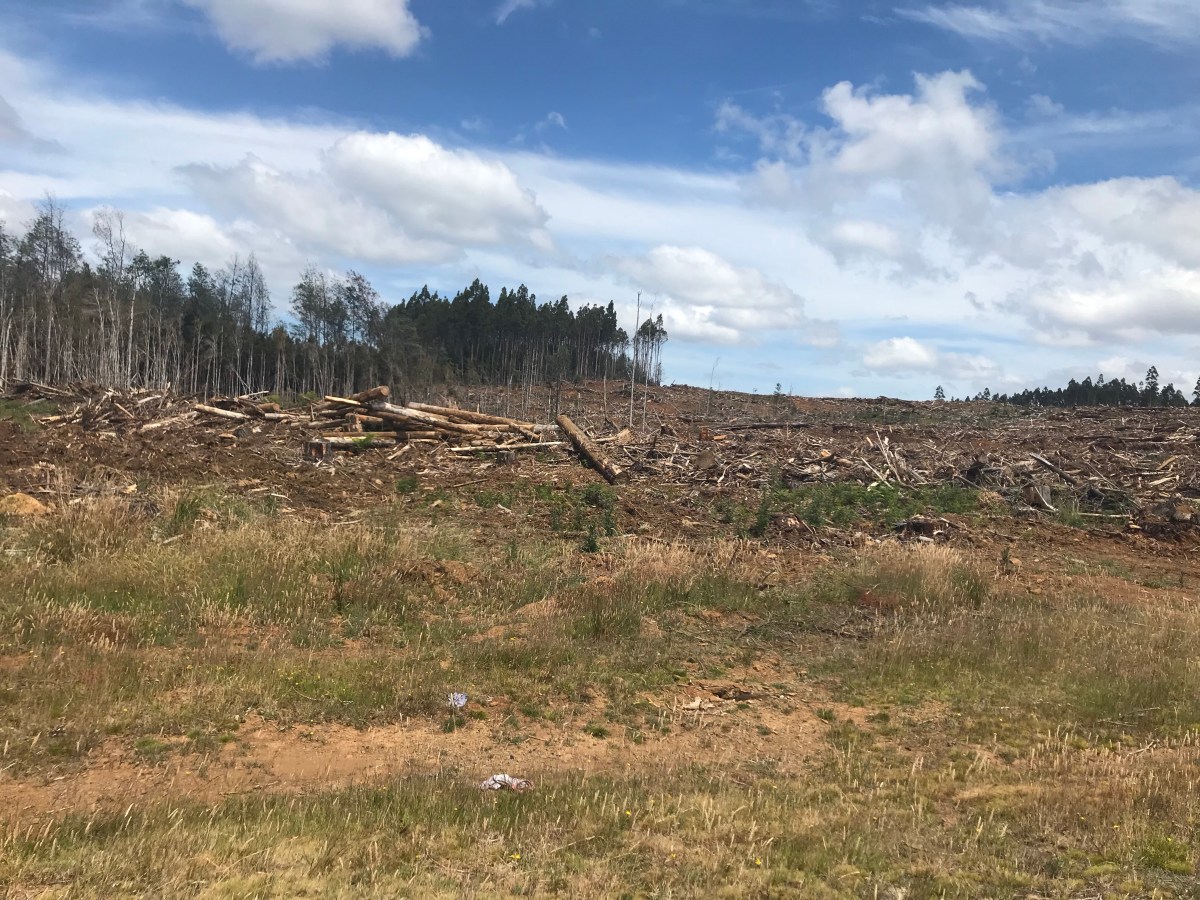
The end of a plantation and soon the beginning of the next
The journey from Hobart to Queenstown is charted as a 3 hr 30 minute journey along the Lyell Highway. As the road meanders out of the Southern Lowlands, it passes into something unerringly British, or at least a series of places that sound so. New Norfolk, Derwent, Ouse, Uxbridge and Gretna to name a few. The very genetics of the people in these places are described by the names.
En route, I stopped at Hamilton for a morning coffee and found a welcome at the Glen Clyde House; a little place that was, as is usual, a cafe/restaurant and Art Gallery. Will someone rein this in please. Coffee, Snacks and Art?
An elderly man showed me through the ‘Art Gallery’ to the dining room, explaining on the way that it was just him today, the person that cooked hadn’t turned up. Making life easy I had a coffee, and stared out of the window. No-one was afoot on this bright Sunday which made me wonder what it was like at this very moment, in the real Hamilton, somewhere near Glasgow. Had the Academicals won yesterday? When I paid, the owner [I guessed] was sitting at a desk in the Art Gallery reading the Bible. It was open at Proverbs, but had countless post-it notes chaptering other ‘good reads’. Unlike 2 weeks before with the young man in the gas station in Hawker, I couldn’t think of an apposite Sunday remark, so paid, bought a kilo of small plums and left.
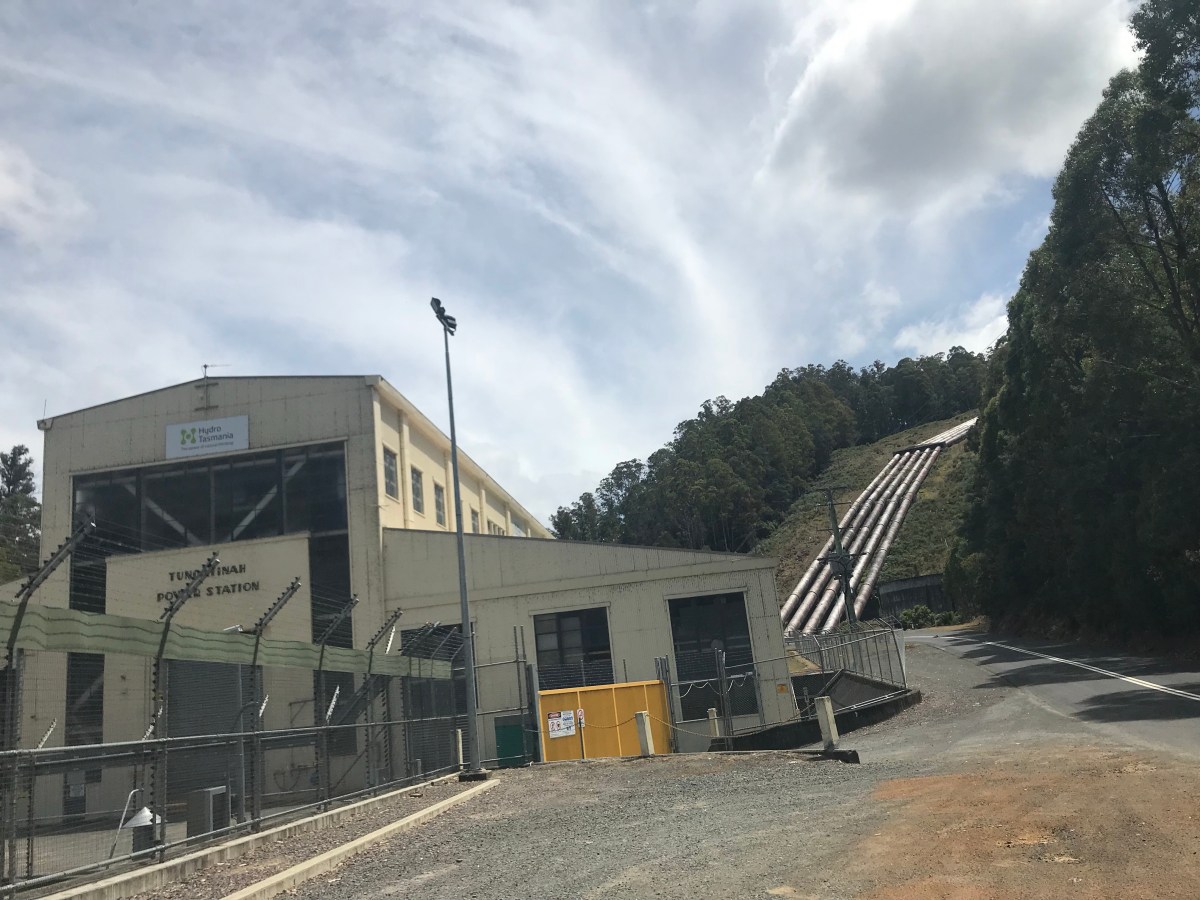
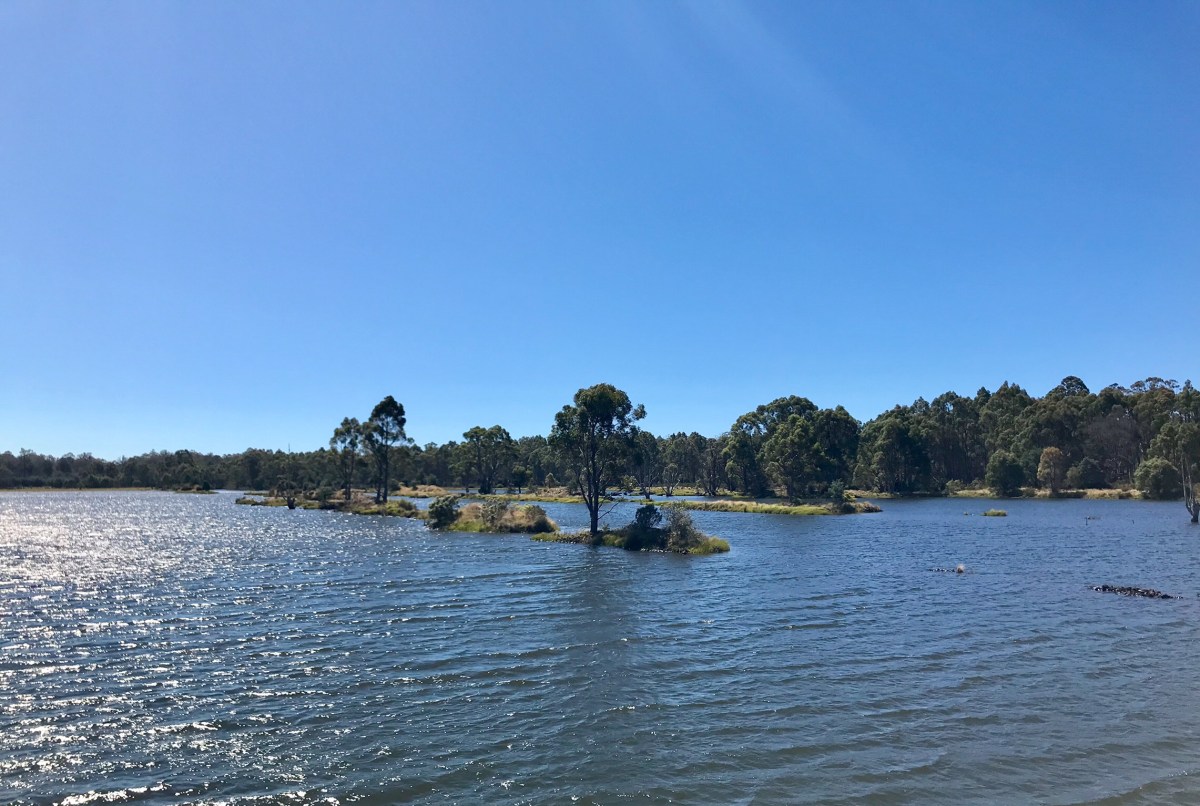
Large areas of central Tasmania have become part of an extensive hydro-electric enterprise. Hundreds of lakes are inter-connected and fed with waterways, giant pipes and dams. Although much of this was commenced post war, there’s still the tell tale evidence that some of the lakes weren’t what they once were. In places, dead trees stick eerily out of the tannin coloured water. Fishing and boating is now a big attraction in these Highlands of the Southern Hemisphere.

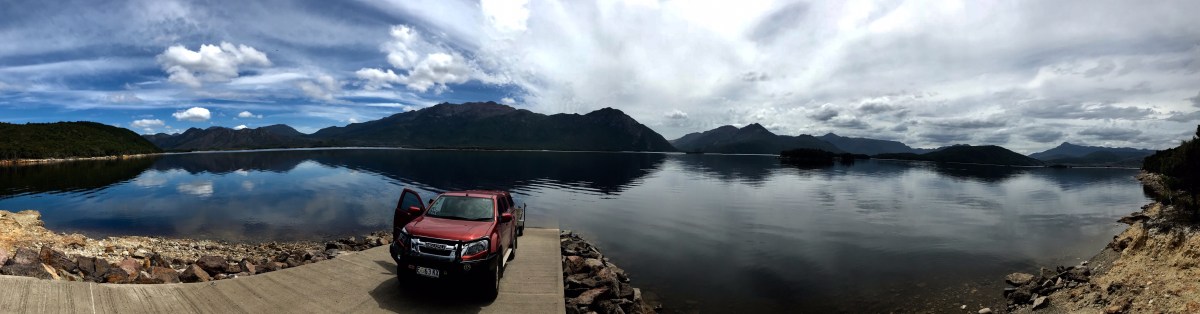


About half way along the route the countryside changed dramatically – almost in the blinking of an eye. This was the great climatic divide described by the guide book, and reinforced by an information point on the Derwent Bridge road. Looking West as far as the eye could see stretched lush forest and craggy mountains. Here it said the rainfall increases to almost 100 inches a year, and the vegetation grows to show that.
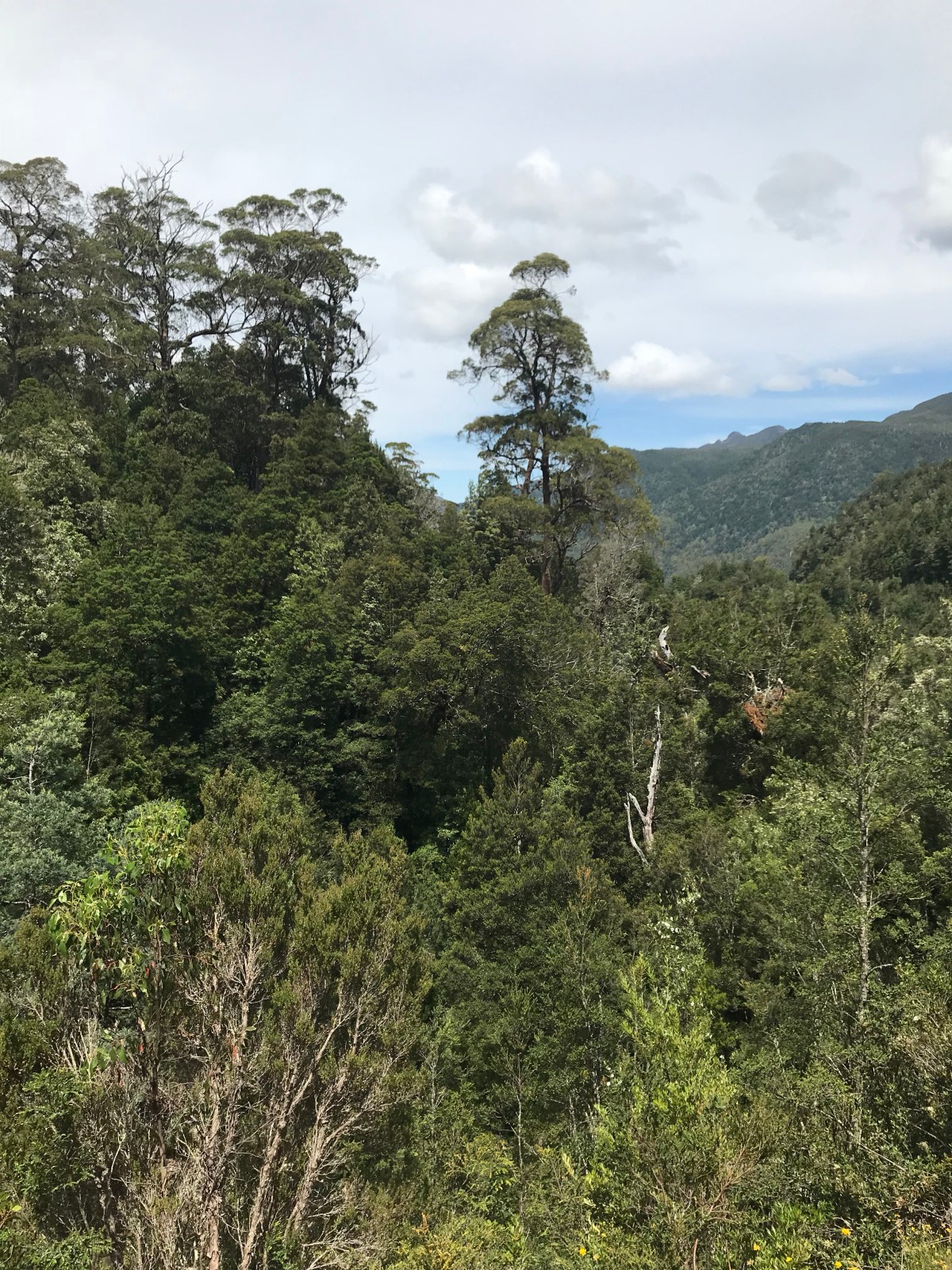
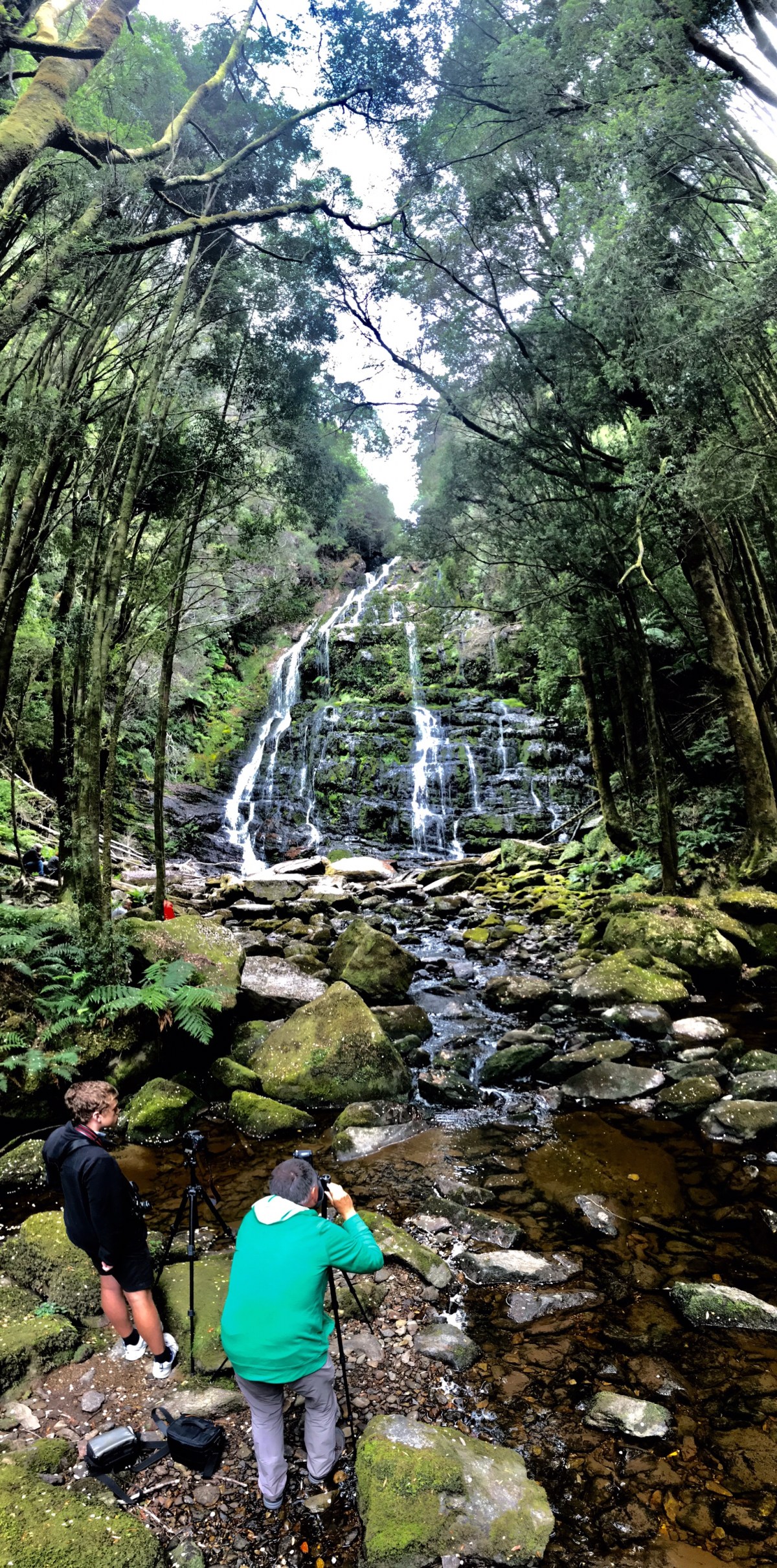
In another country you’d expect it to be tropical, with exotic birds, orchids and bromeliads. Maybe the odd monkey. Here it was just a very wet forest that in winter could get covered in snow, despite its flamboyant Rosellas, Devils and Tree Ferns.


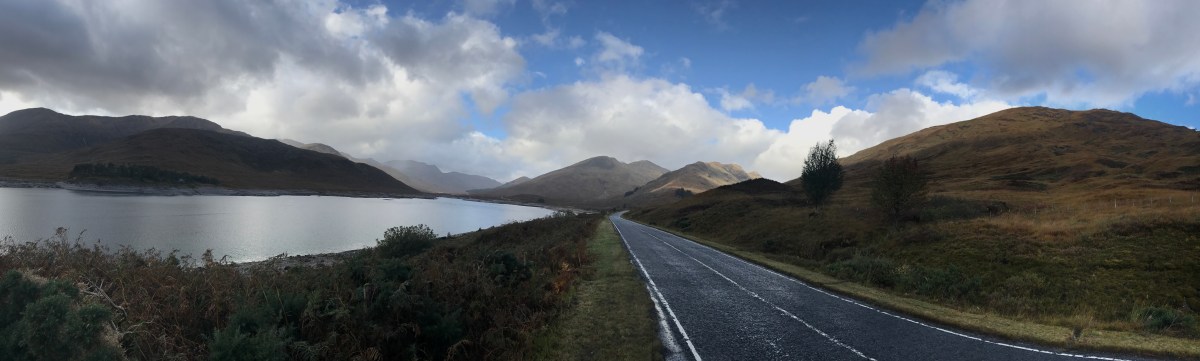
By the way, if you’ve read this far, you might like to re-look at the lake photos above and guess which one I didnt take in Tasmania. It’s actually Loch Cluanie in the Scottish region of remote Ross & Cromarty.

Queenstown was once a boomtown, initially because small quantities of gold were discovered, but when those were exhausted, settlers turned their attention to the vast resources that lay in iron ore and copper. Hungry to cash in, dozens of mining concerns staked claims and set up their own operations. As a result of the exceptionally rich finds, the population swole to several thousand, and as many as 10 smelting furnaces blazed night and day to process the different ores.
Back in the 1880s the extraction process didn’t have a care for the damage it caused to the workers and the environment. The hillsides were stripped of their trees as open cast mines were established; and for miles beyond this, trees were felled for fuel and the construction of the settlement.
Sulphur Dioxide, a gas poisonous to everything around it, was released unchecked for years, and this in turn further poisoned the landscape and tainted the Queenstown world yellow.
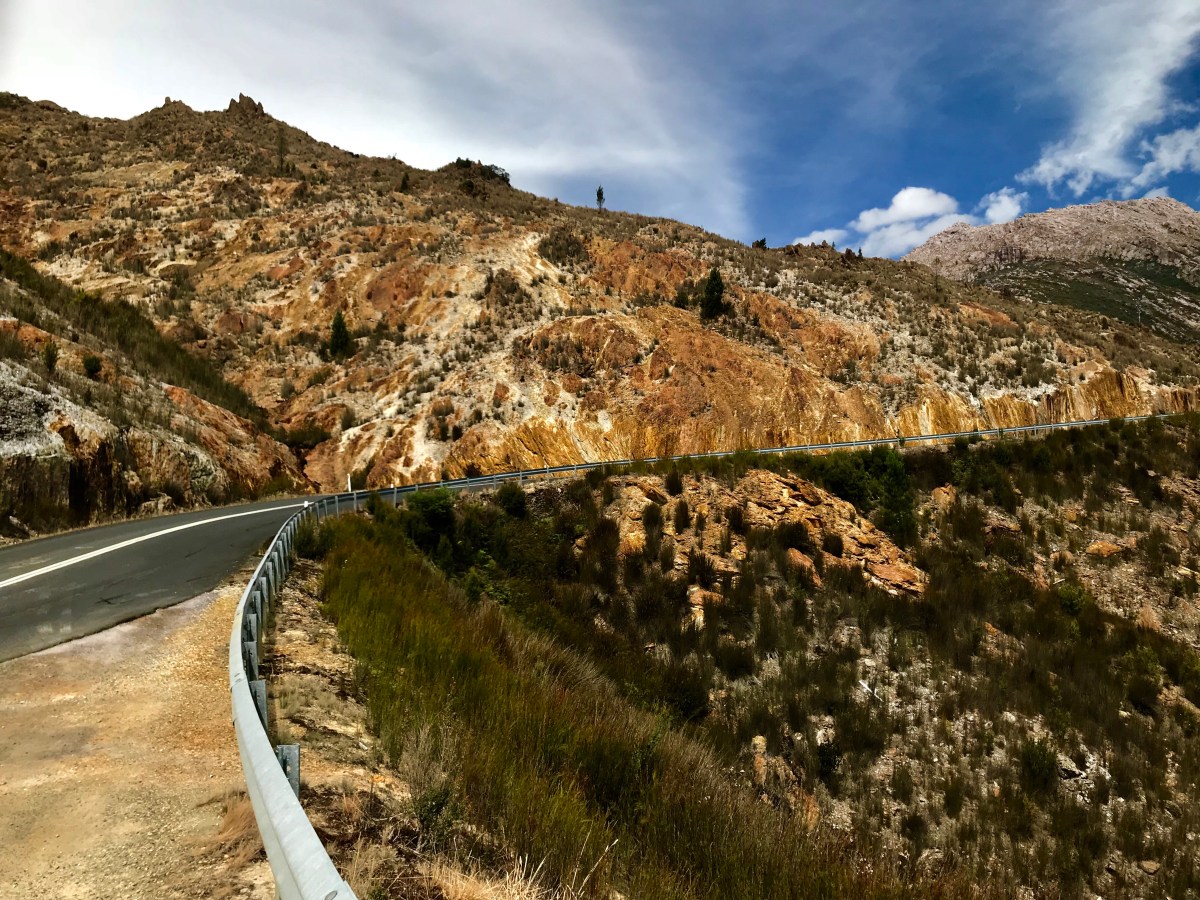

 Views of the road over Mnt Owen
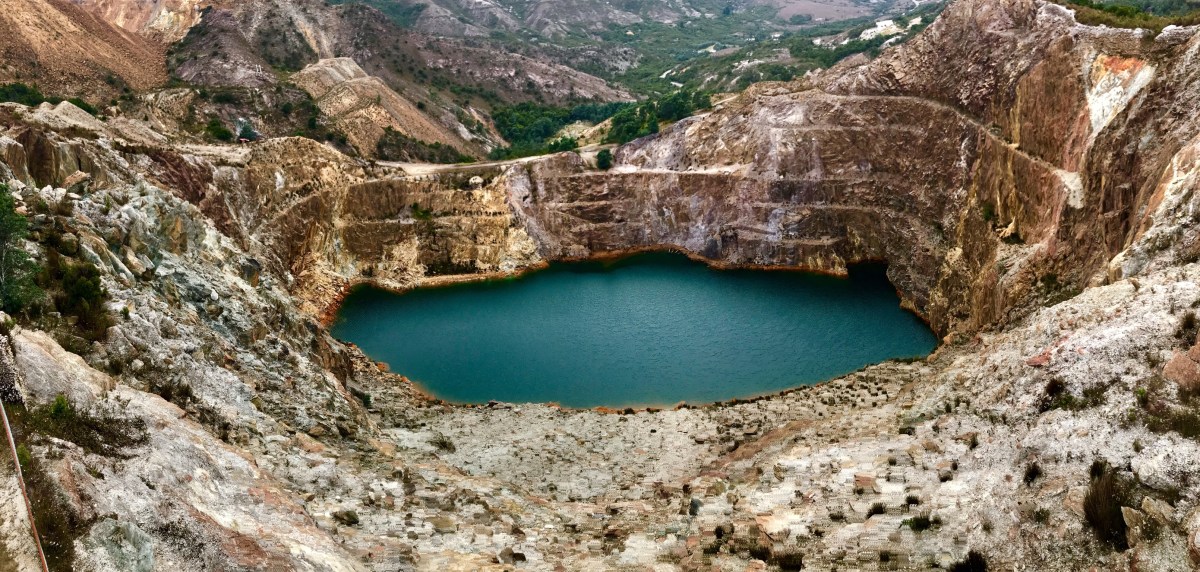
The Iron Blow Hole – where ore in liquid form was pushed up to the surface before solidifying. All mined out now
As the road meanders down the Victoria pass into town, it’s immediately apparent that this is a backwater – with smaller houses, and evidence that things are harder here than other parts of Tasmania.

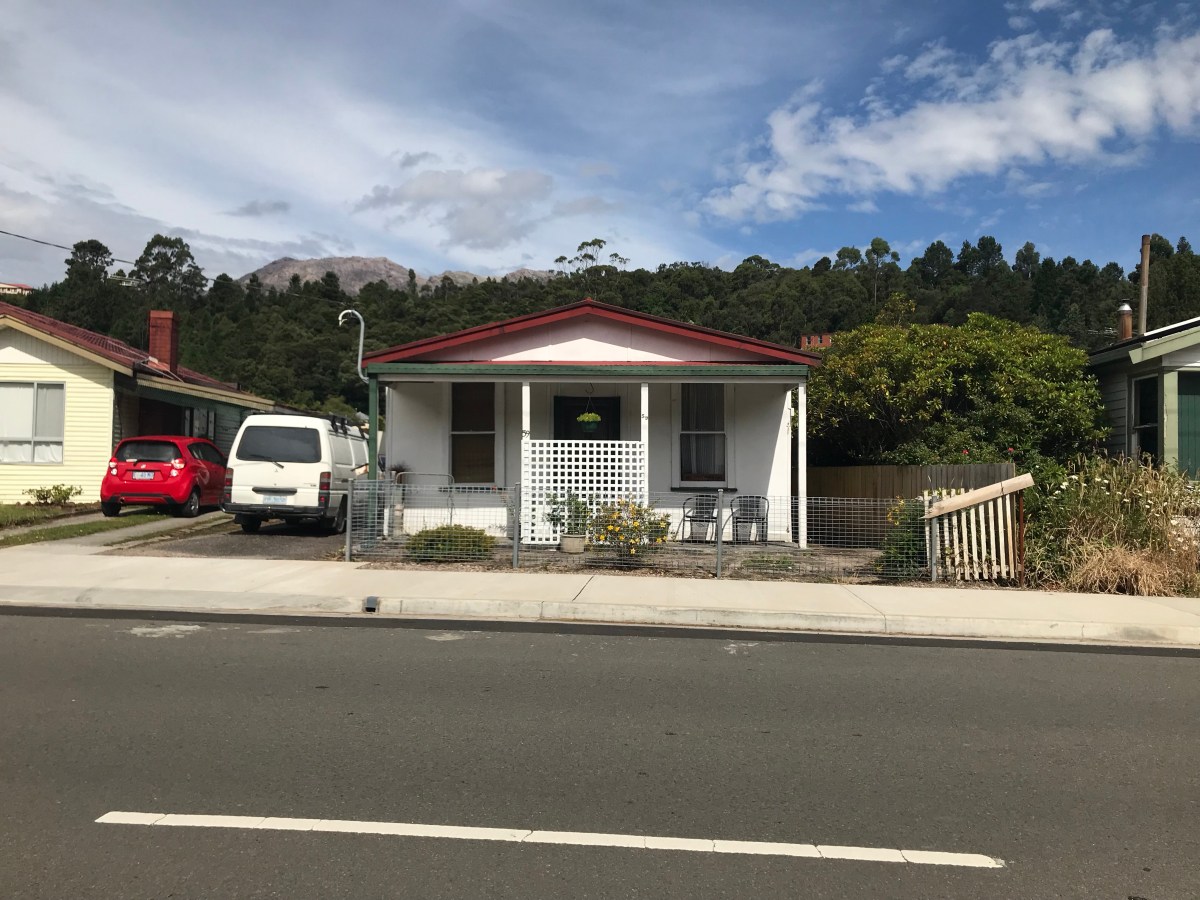
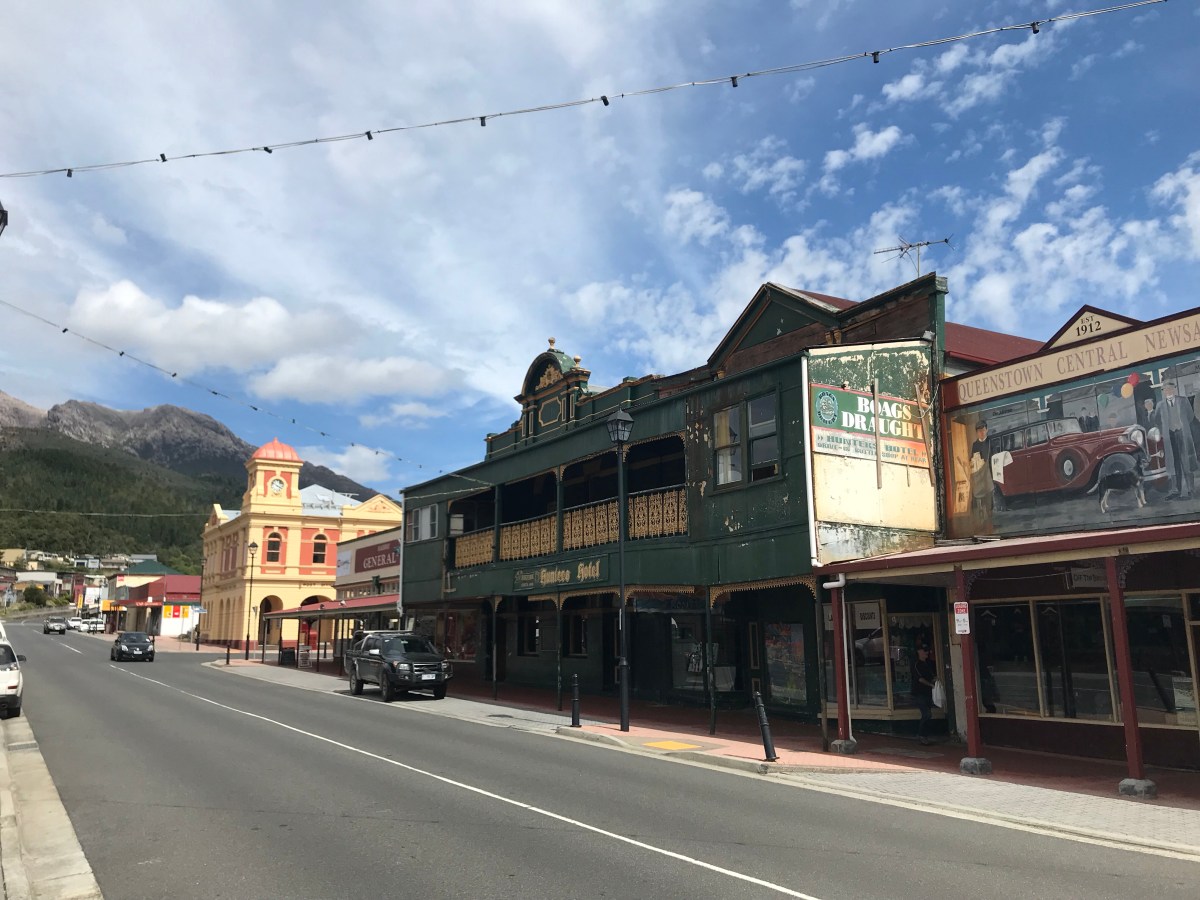
The centre of town on this hot Sunday afternoon was almost deserted bar a trio of little oiks who were ‘effing and blinding’ at no-one in particular outside the pie shop. The oldest must have been all of 12. Their push scooters were deliberately strewn across the walkway as if in defiance of when a pedestrian might come along. A man rocking on 2 legs of his chair at the shop entrance seemed to not hear the din.
As if to reinforce their rebelliousness, the gang had no helmets [compulsory in Australia], and continued their antics as yours truly crept past. Moments later a scrawny woman clutching 3 cans of Red Bull and packet cigarettes came out of the shop and started screaming something incomprehensible at the group before heading off with purpose. They ignored her, and the seated man, a scrofulous forty something hard-knock with a goatee started muttering something to the back of the departing woman along the lines of ‘get back before I go…’ He was sitting at the only table outside the pie shop and it looked like he was about to dig into a deep fried sandwich.
I reckoned that that was grandad, his daughter and at least one of his grandchildren. I wasn’t going to ask, but it seemed to fit – 3 generations under 45. A family group stuck in the town for eternity…
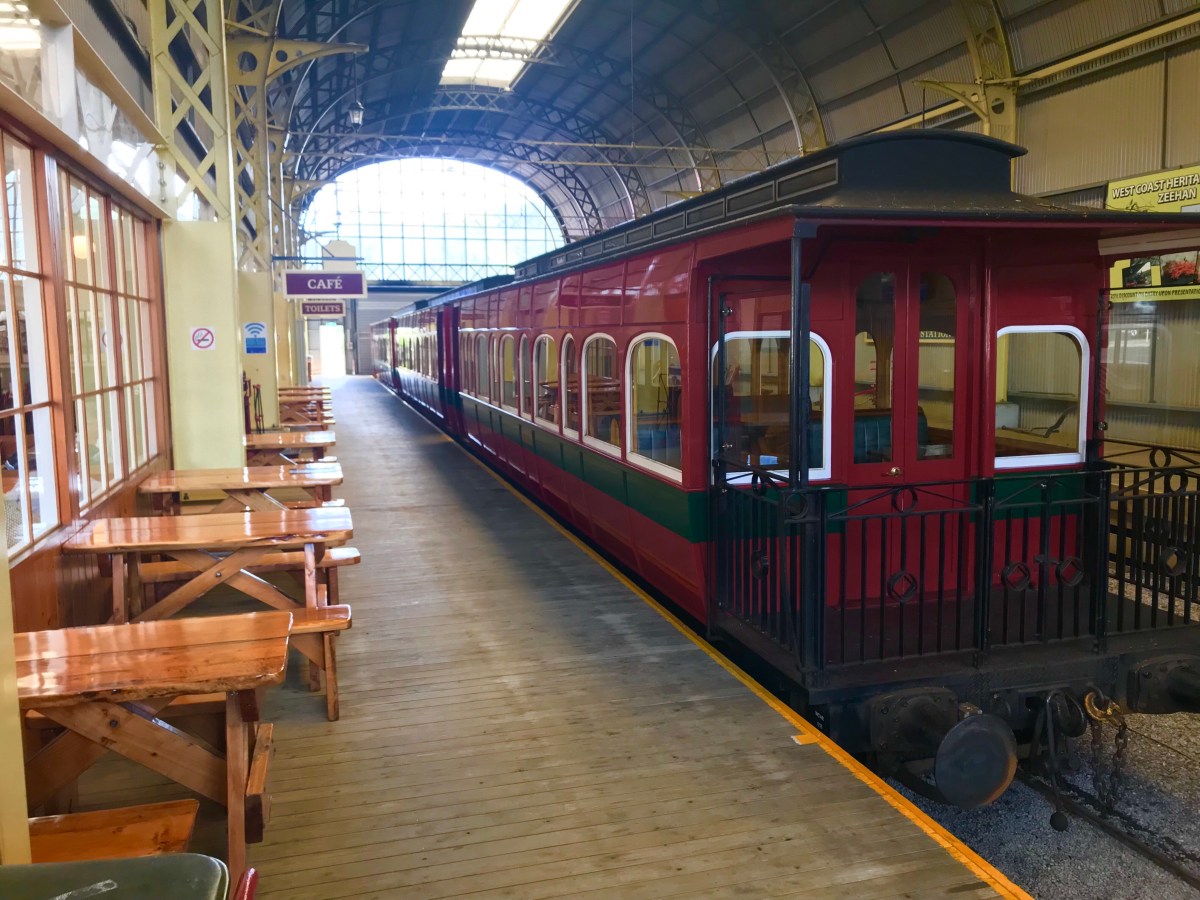
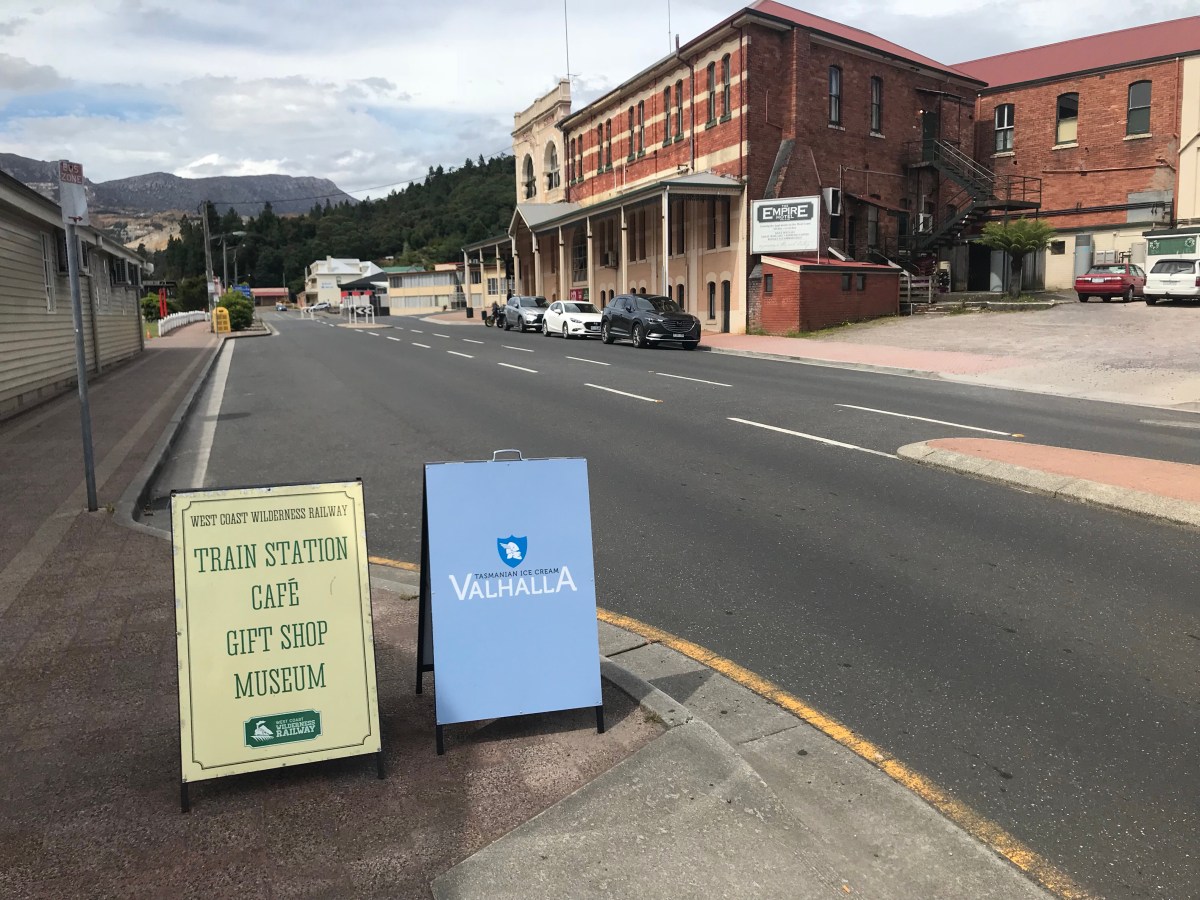
Above: One of the few draws in town – the railway station with the usual side attractions
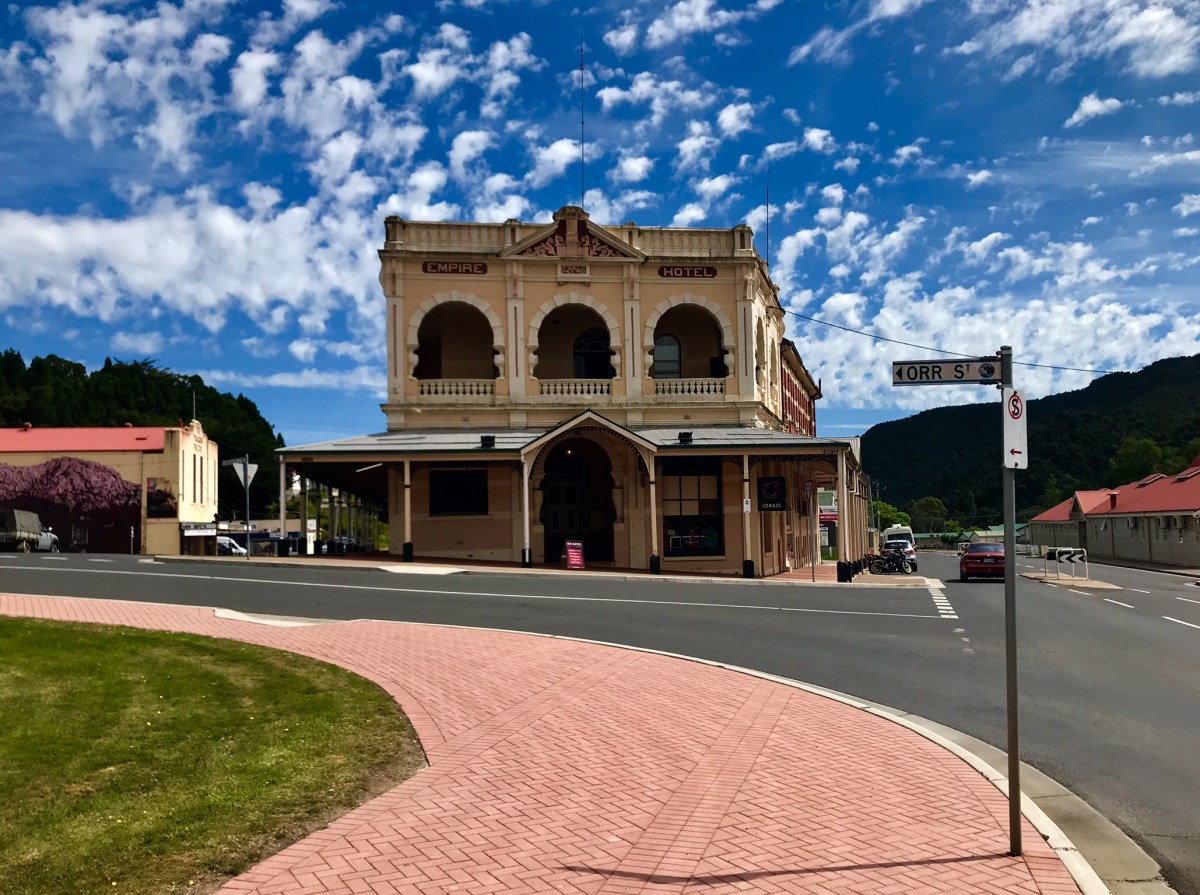
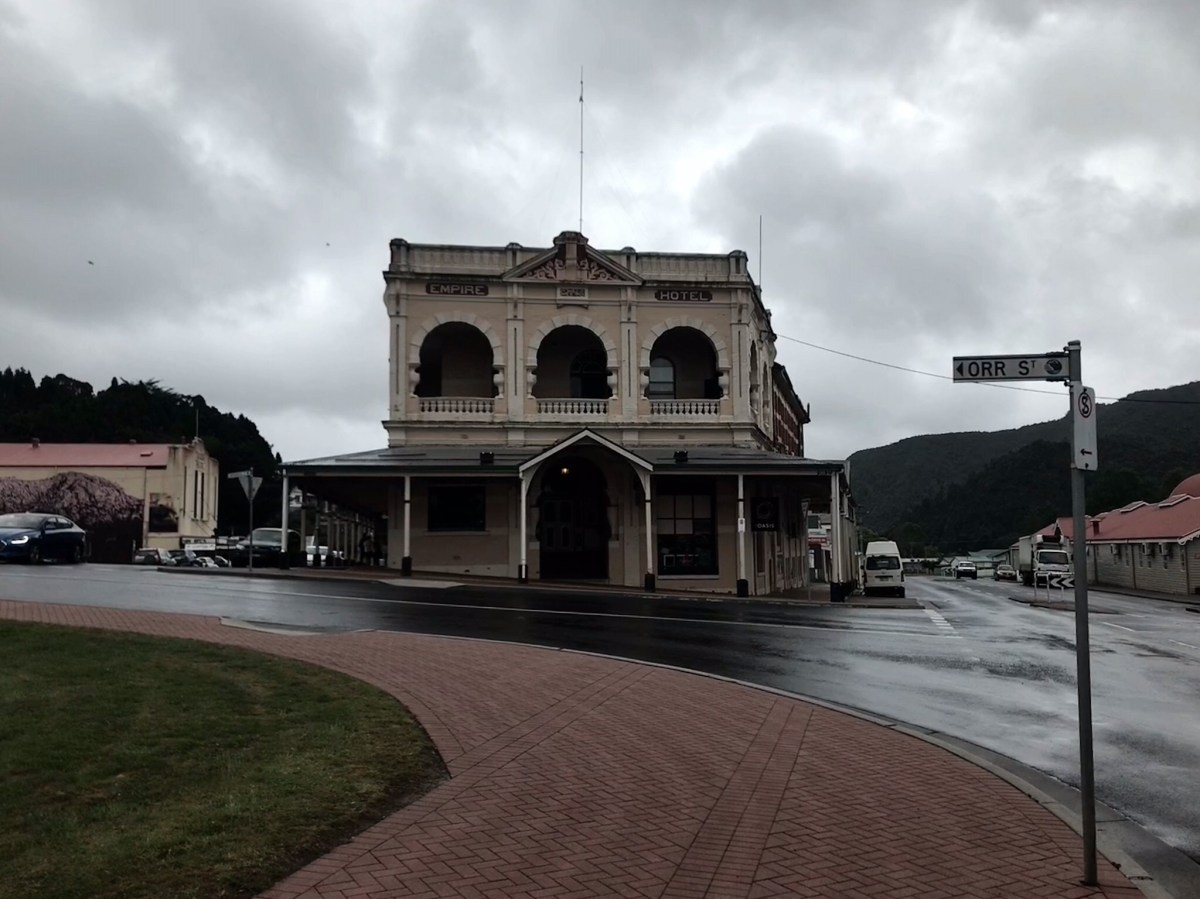
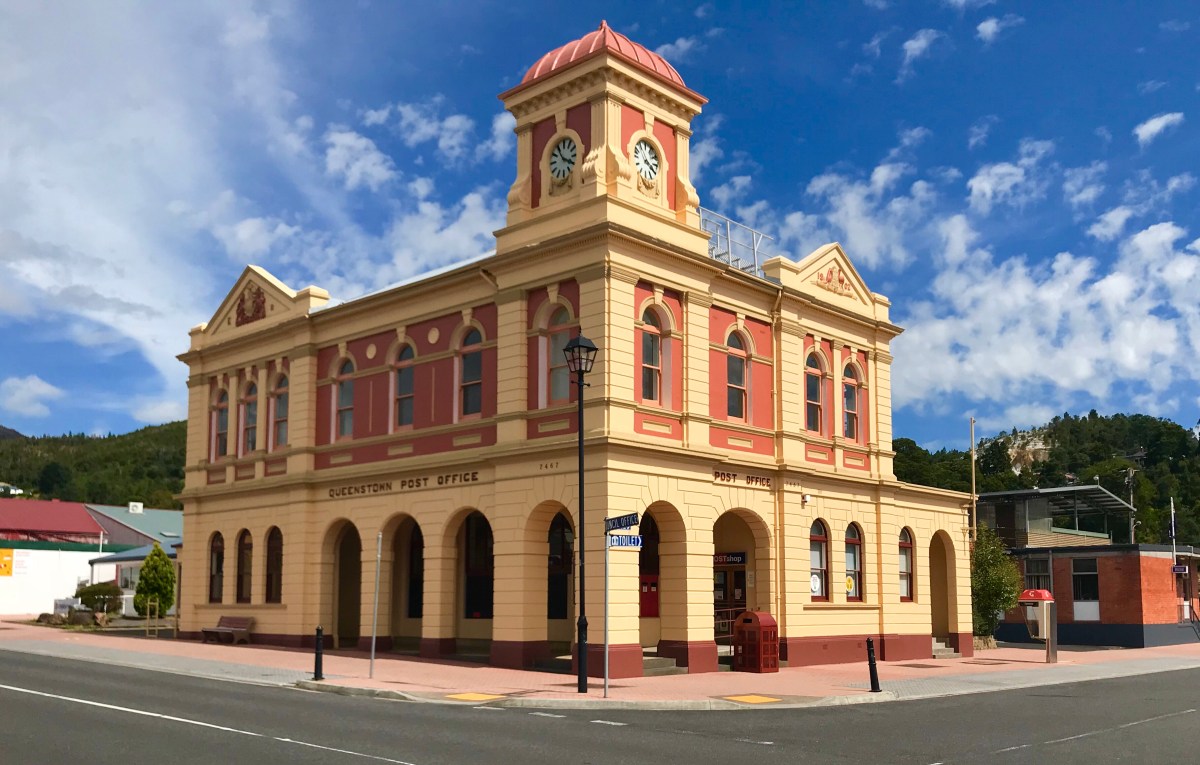
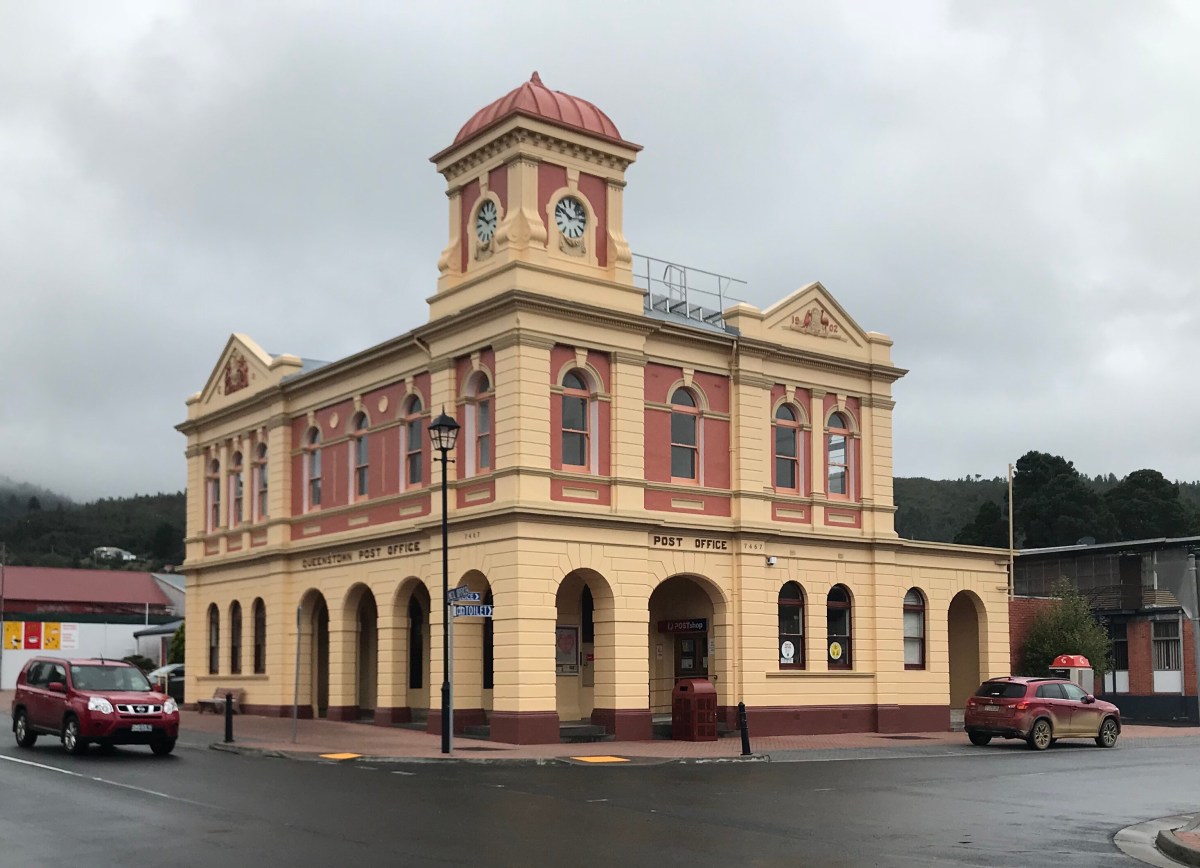
The following day was dripping wet, the mountains hidden in low cloud and cars splashed through the puddles. What a difference a day can make. The Hotel and Post Office.
The Author in his Mac
 jimsoccasionalblog