It was 1977 when I first visited India. ’77 was the year of the Queen’s Silver Jubilee; a British woman won Wimbledon; and the year Aston Villa won the League Cup after 2 replays. 40 plus years ago…
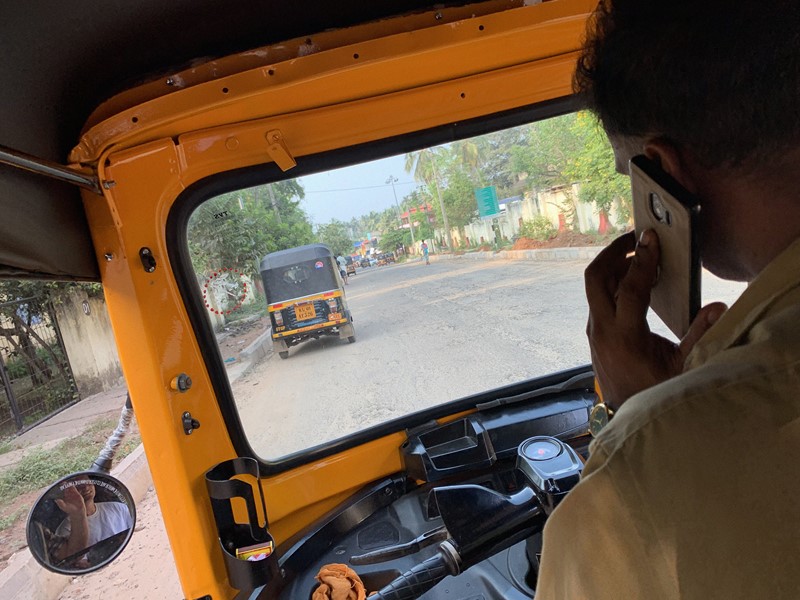 Multi-tasking in a Tuk Tuk
4 decades on and the population has grown to double that of ’77, with current estimates putting today’s number at close to 1.4 billion. Similar to that of China… Today India’s economy is arguably one of the world’s fastest growing; and the Middle Classes are coming on strong.
Everyone has a phone.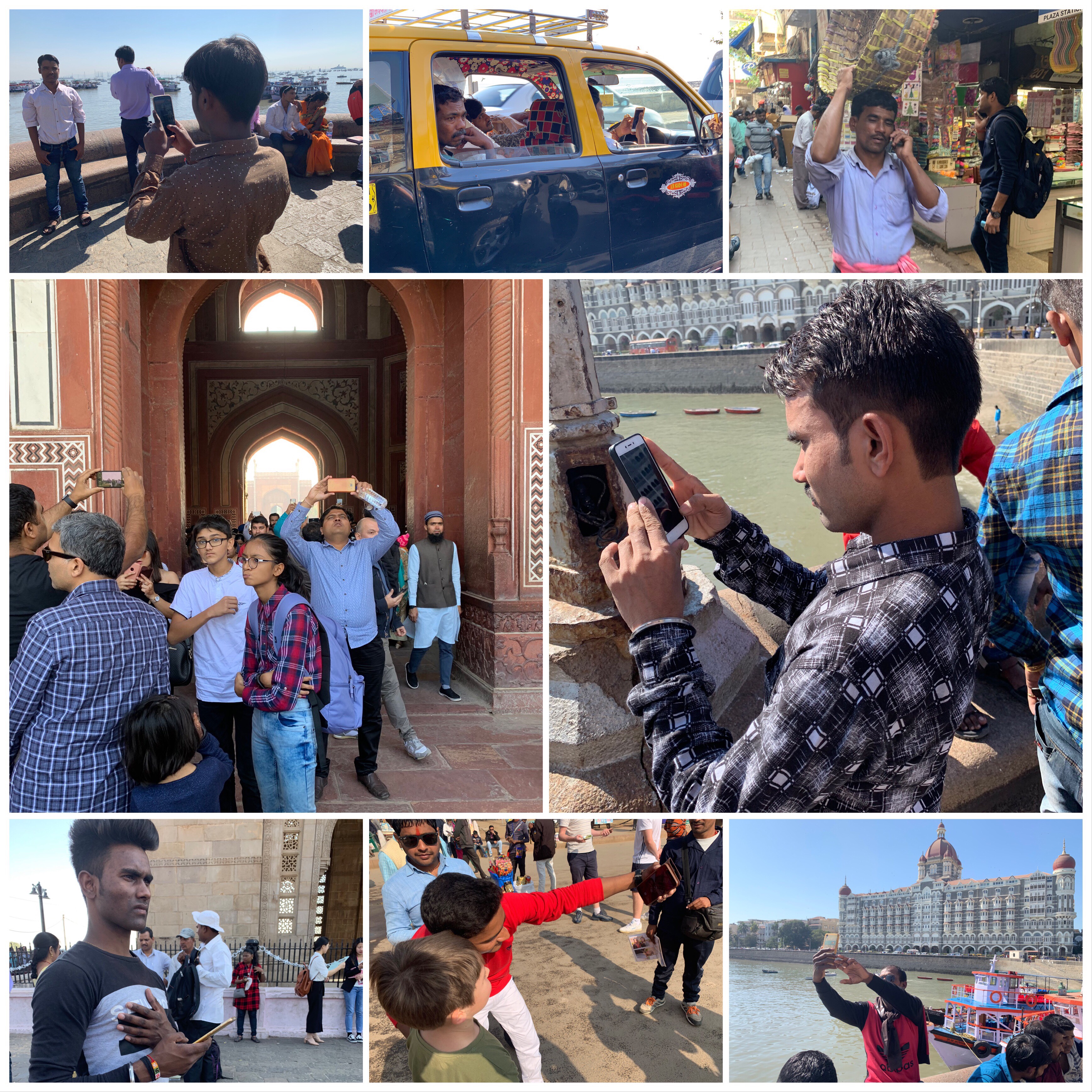 It was hard to find a place that wasn’t supplied with 4G and I could stand on any street corner and watch the chai wallah, dhobi wallah, taxi wallah and everyone else for that matter, glued to their phones.
Nearly every one of those phones has a camera, and using them has changed anybody’s approach to taking pictures in so many ways. Unconsciously there seems to be little imposition from someone wielding a phone. None, if both parties have pretty much the same piece of apparatus.
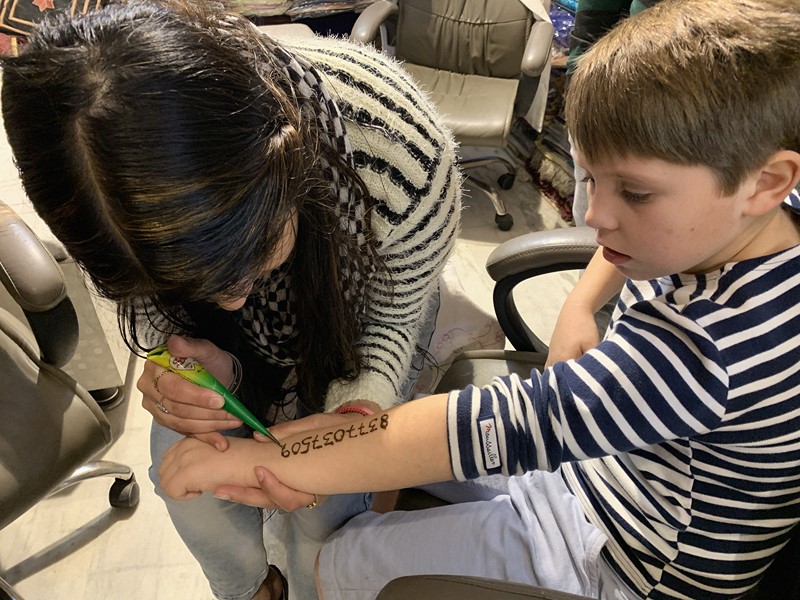 Having bought an Indian SIM, our brainwave to keep Henry ‘safe’ – henna-tattooing our new Indian number onto his arm. Guaranteed legible for 3 weeks on a child that doesn’t wash.
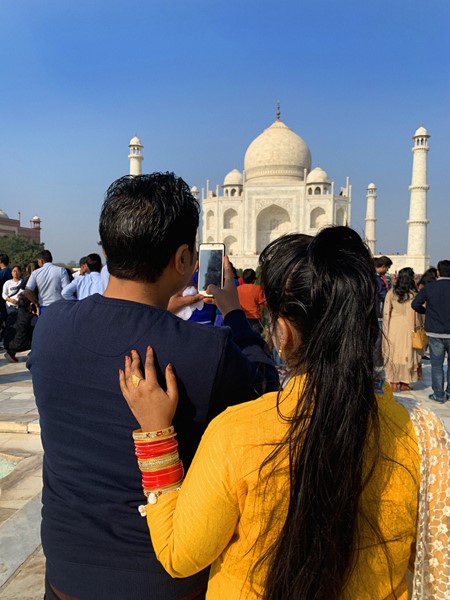
Family scenes at the busiest ‘Brown Sign Site’ in the world.
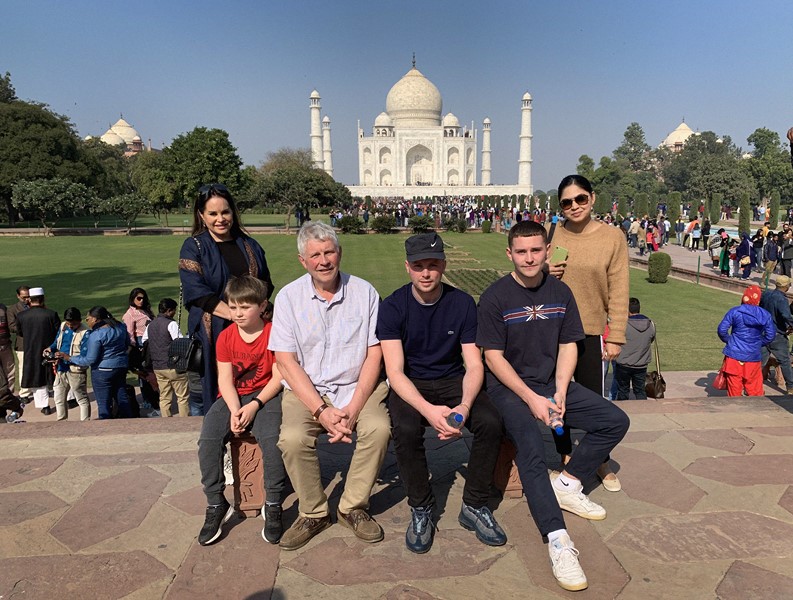
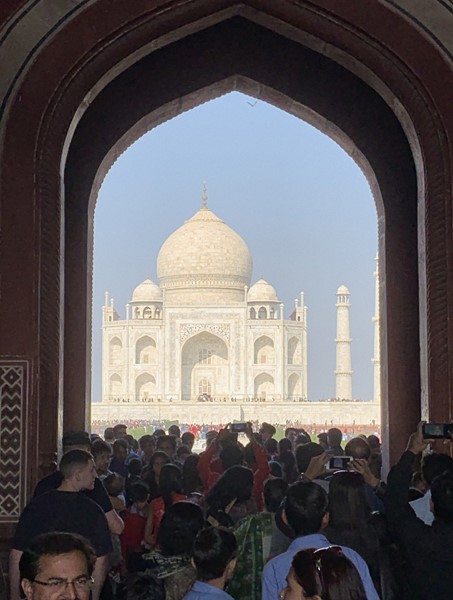
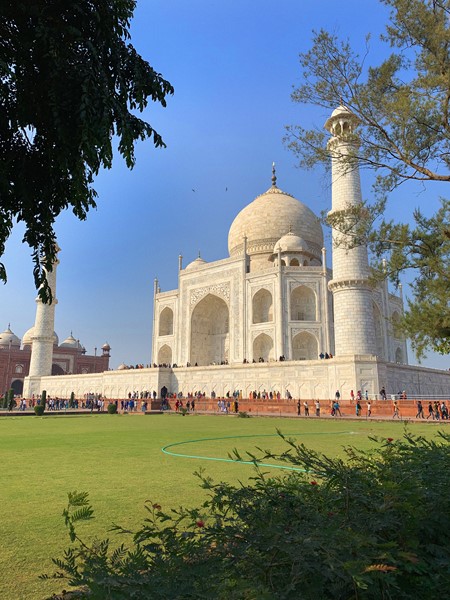
Below: A really obvious pre-occupation with instant imaging was the need to ‘can’ this shot…
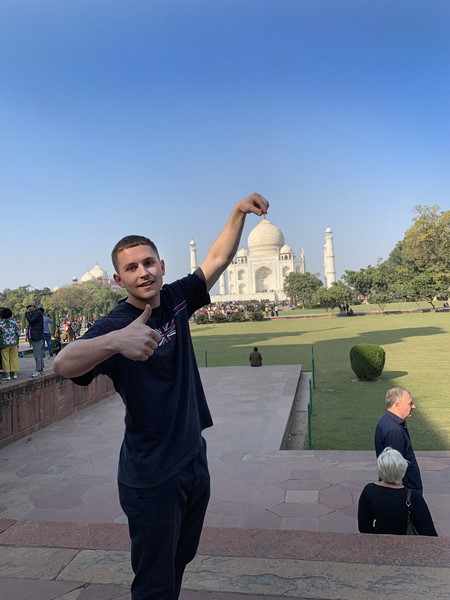
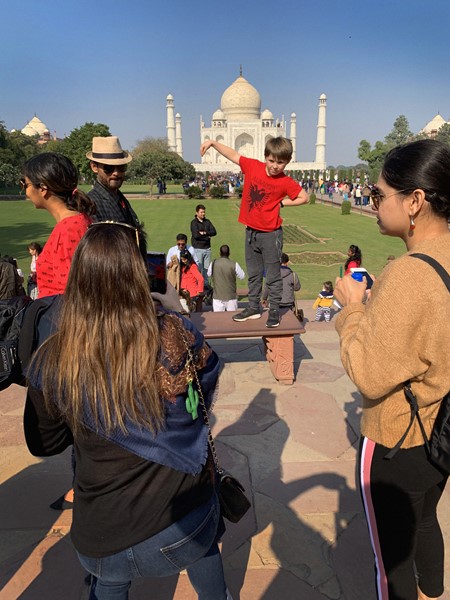
‘Pinching’ the Taj. Naff I know.
But imagine nigh on 60,000 visitors per day all doing selfies; posing on the ‘Diana Bench’ [where in 1992 paparazzi images of Diana told the world of her unhappy marriage]; jostling for the ‘pinch shot’ and then being made to take their shoes off and put their phones away whilst noisily pushing around the echoey interior of the ‘Silence Please’ mausoleum. This is India. ABSOLUTELY IMPOSSIBLE.
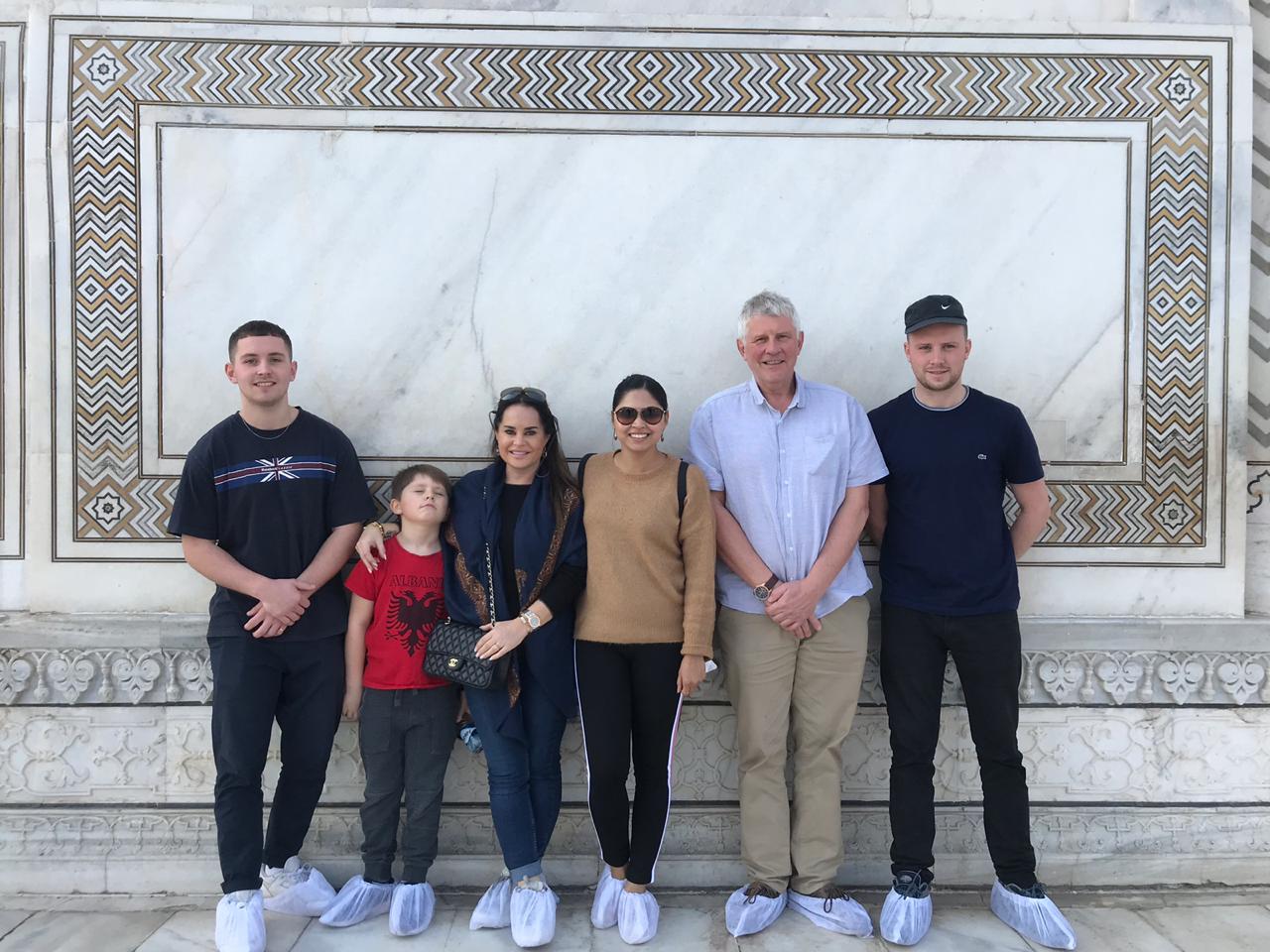
A well behaved group – with our shoes in ‘hairnets’ so as to not scratch the priceless floor. The oldest remains the tallest. The youngest the shortest. Picture courtesy of our ‘Guide’, one Imran Khan.
But, the Taj is the world’s most popular curry house name. An important thought.
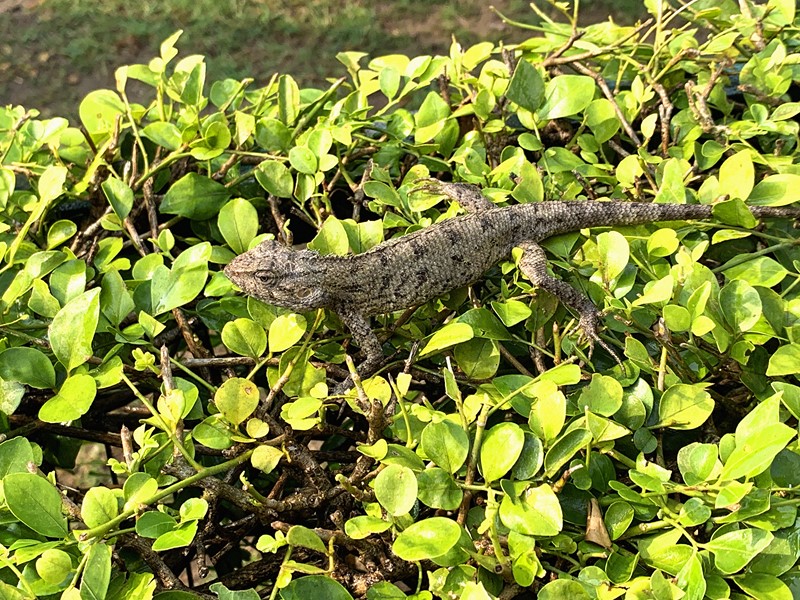 Above: an iPhone lizard from 2 feet. No lens change necessary.
Years ago I had a spanking good SLR and 3 cool lenses. Something that was hard to hide and maybe cost the equivalent of 2 years’ worth of Indian wages. You had to use a viewfinder and rationed the pictures you took because of the limitations of having only 36 shots in a film roll. Not so now. Today you’ll have groups gawping at the back of your phone squealing that ‘it’s not quite right!’ and despite the queues behind you, insisting on taking the picture again. All little experts.
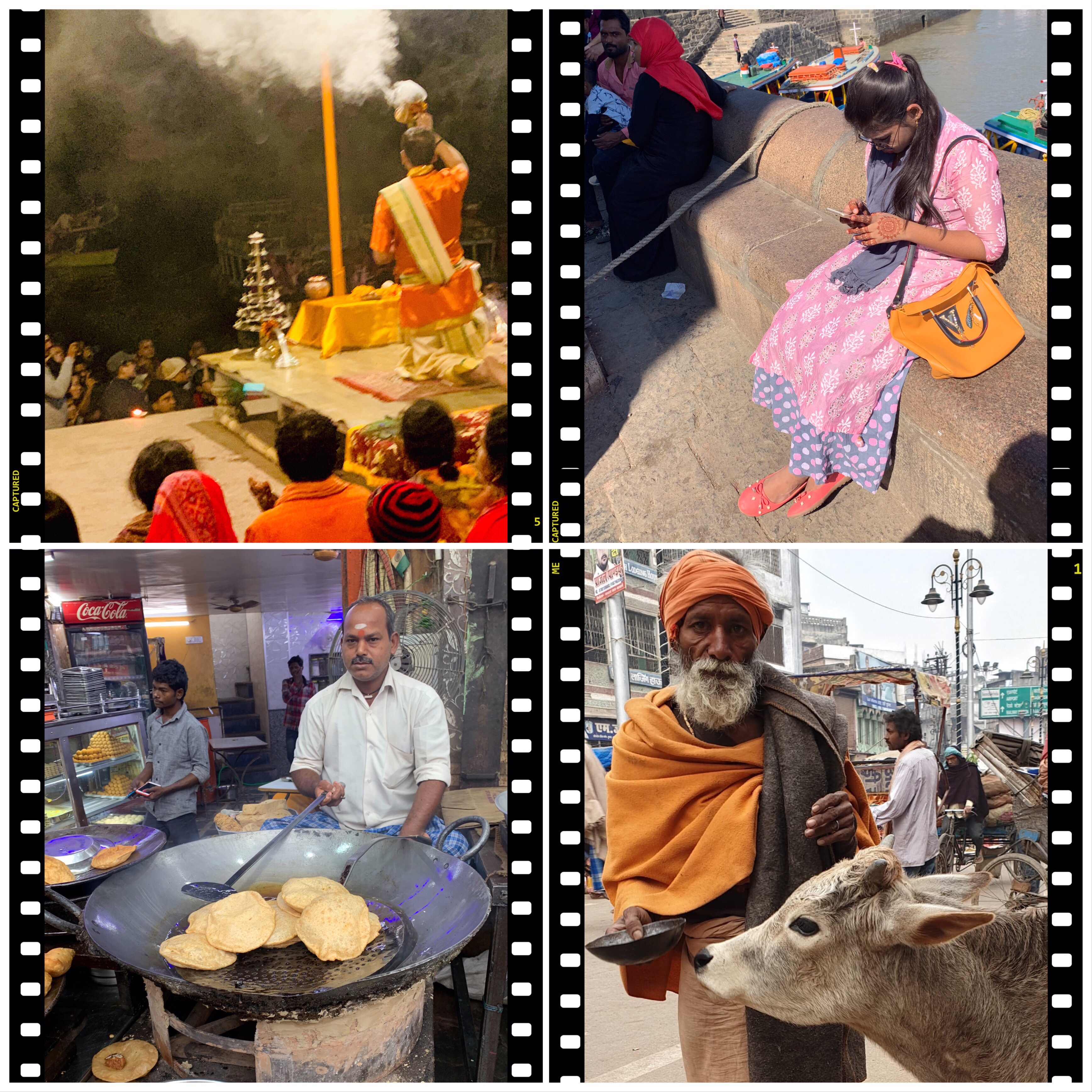 How many ‘stabs’ would it take with 35mm? Darkness, brightness, artificial light…
It’s got to be that the phone has become an equaliser. People in the food market have the same type and model as me. They probably [certainly] have better data plans. Wiping the dust aside, this means that in effect it’s changed the whole dynamic of ownership. The Indians pay the same as the Westerners do for their phones, which in turn means that its they who have the relatively ‘more expensive’ piece of kit. I imagine that many feel good about that – the status of ownership.
 It’s probable that we’ve been photo subjects as much as the Indians have been to us.
Henry probably ‘selfied’ the most and no doubt India-wide on Facebook.
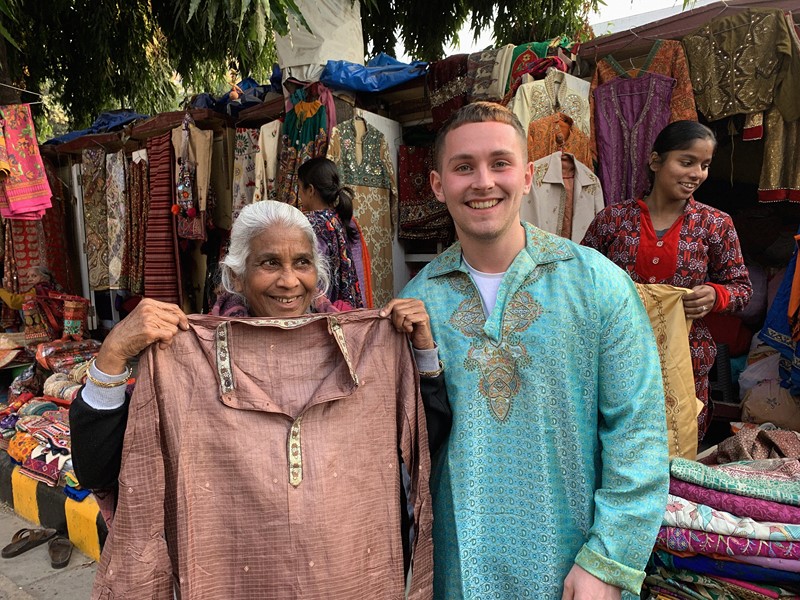
Would you look okay in this at home? Janpath market, Delhi.
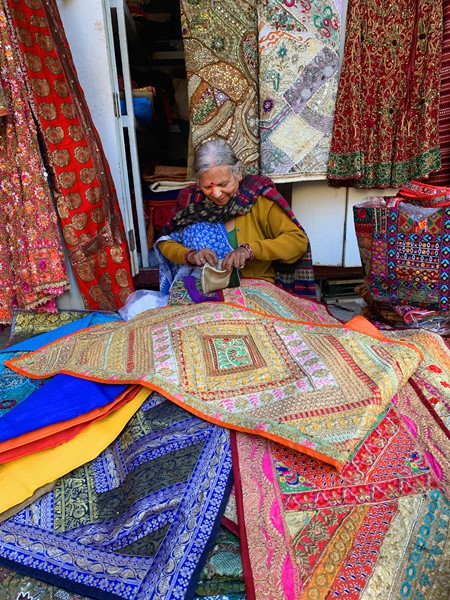
Below: Woman pocketing profit made from our rushed purchase of… Table runners? Wall hangings? We knew not which, but splashed out anyway.
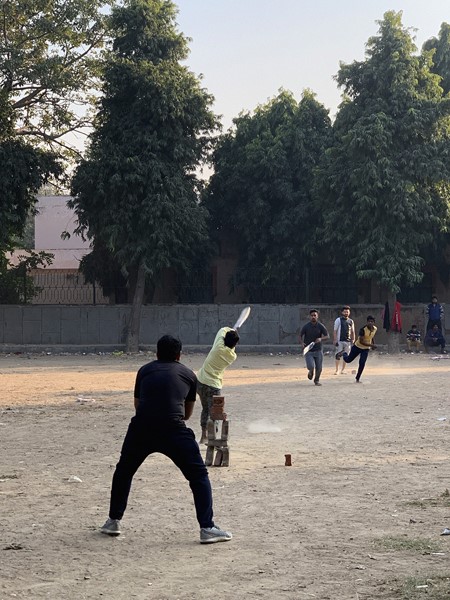
During the hubbub of our trip, India Cricket was making history in far off Australia – winning a full Test series there for the first time ever. Below a new generation practice with what’s available in a dry park.
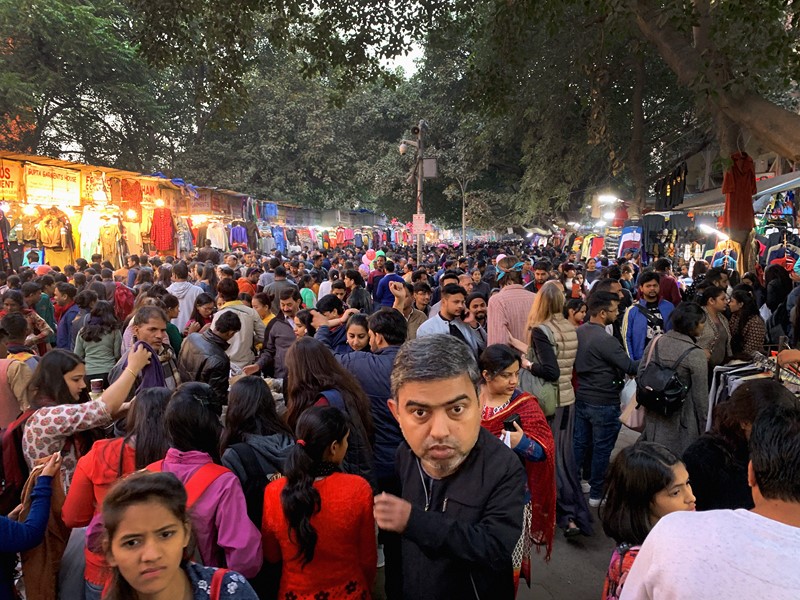
Above: A face in the crowd – Indian Jose Mourinho with a big head.
Below: More faces
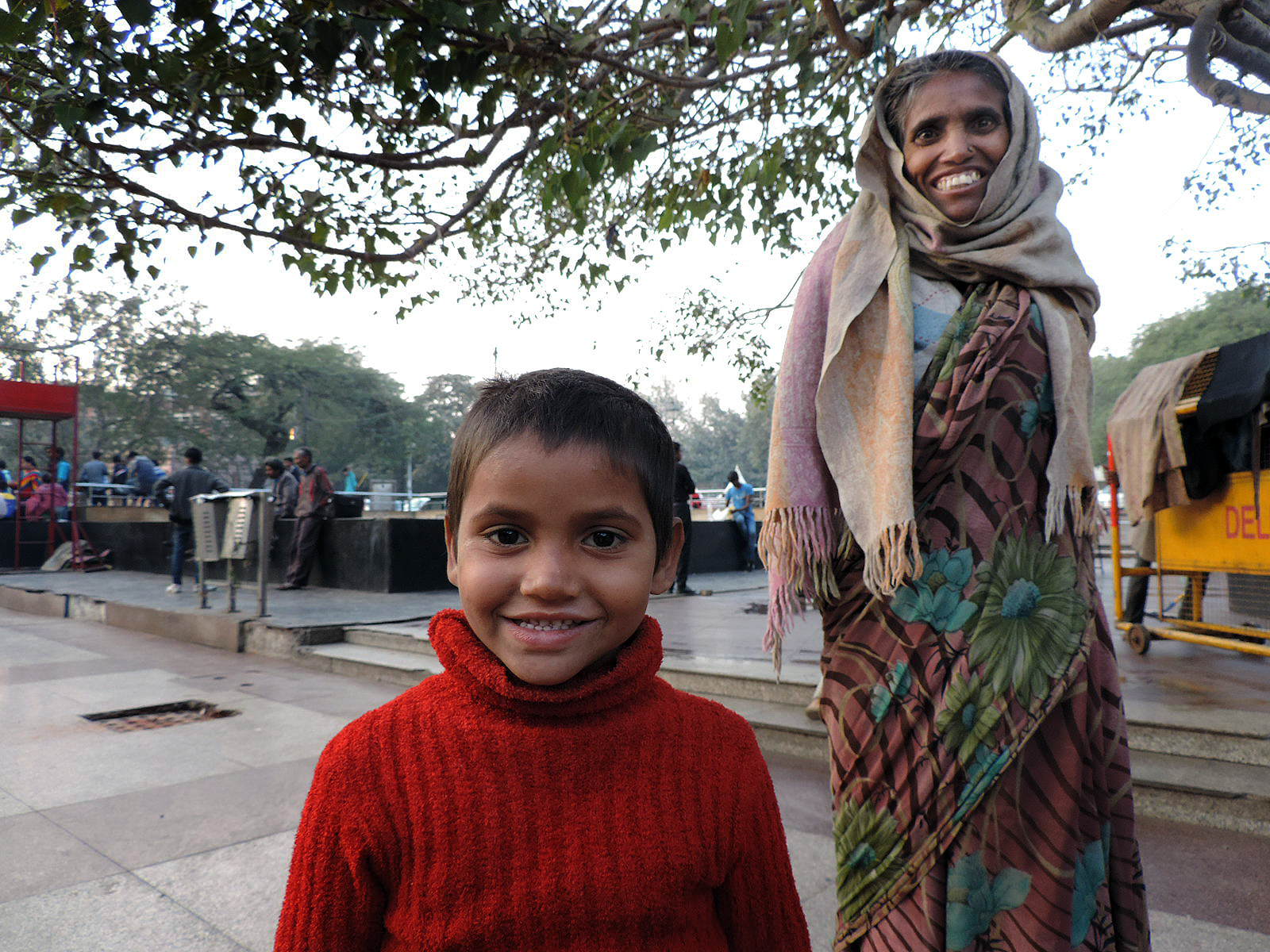
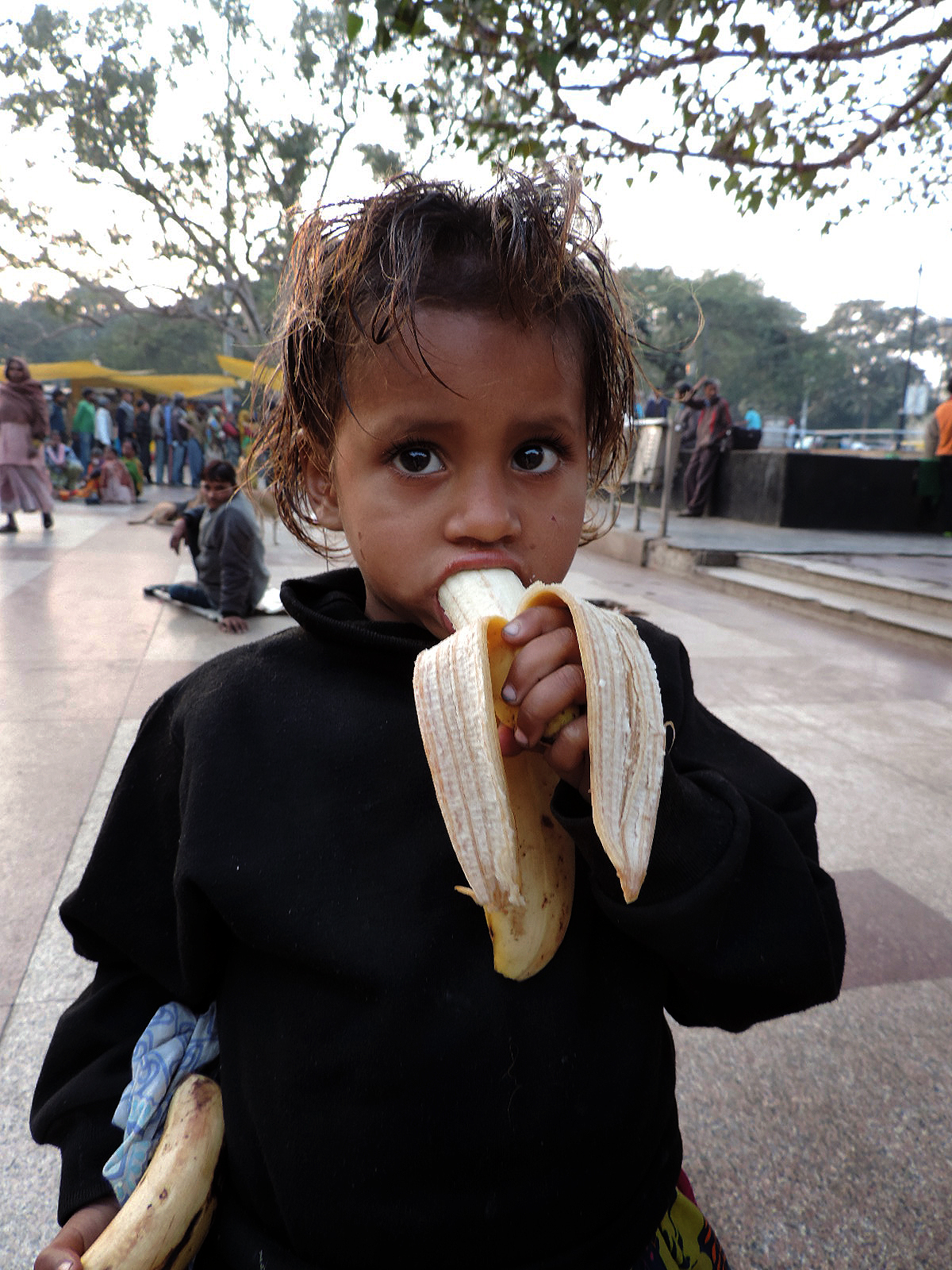
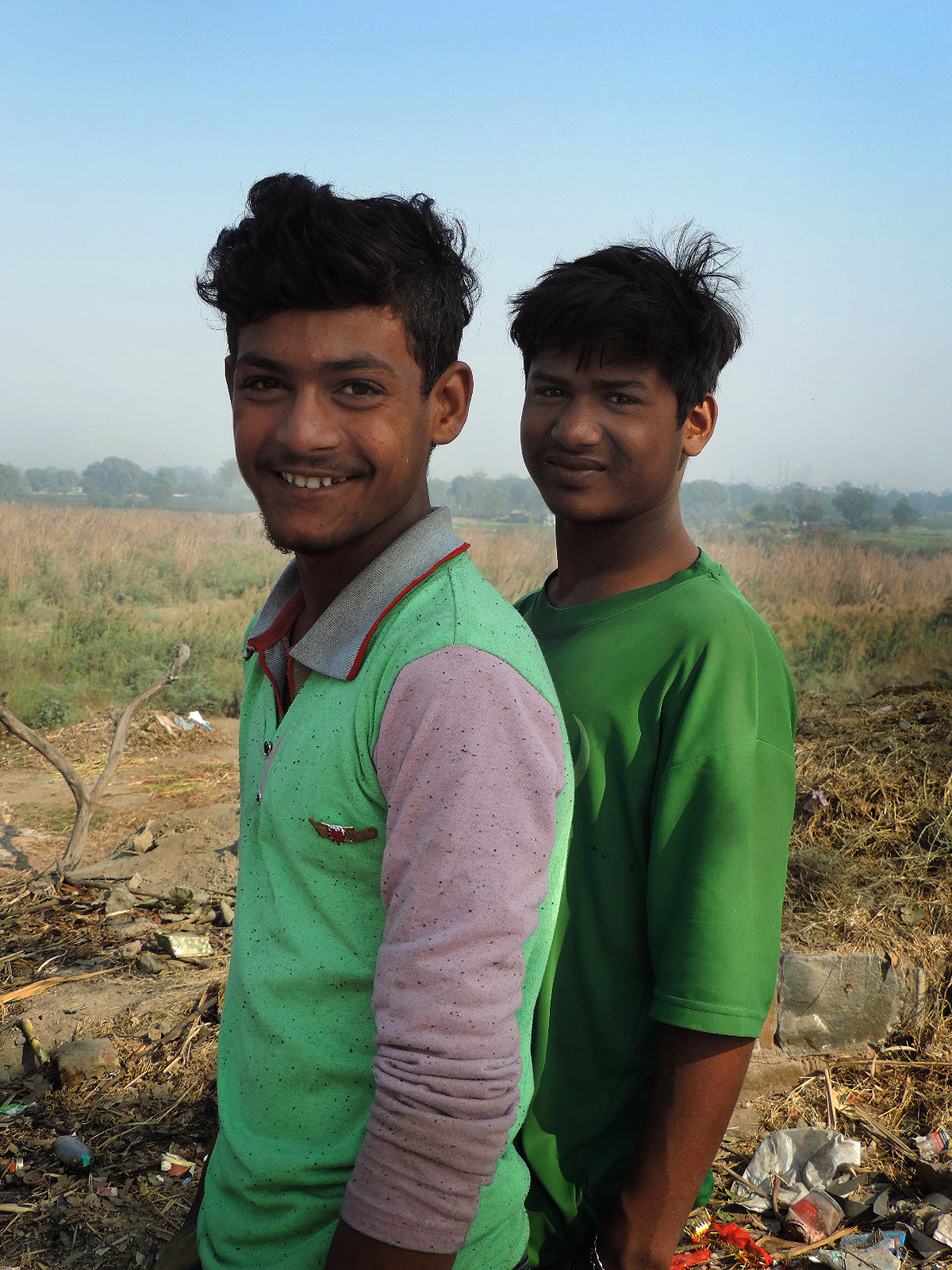
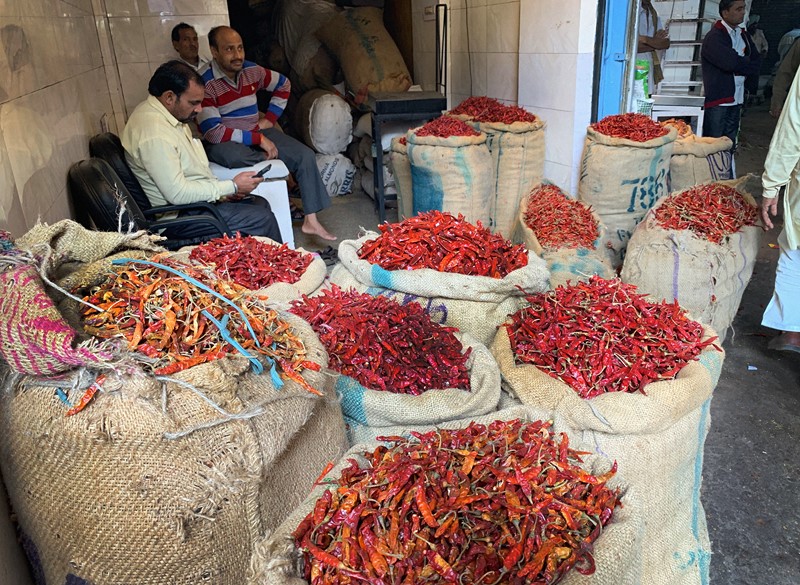
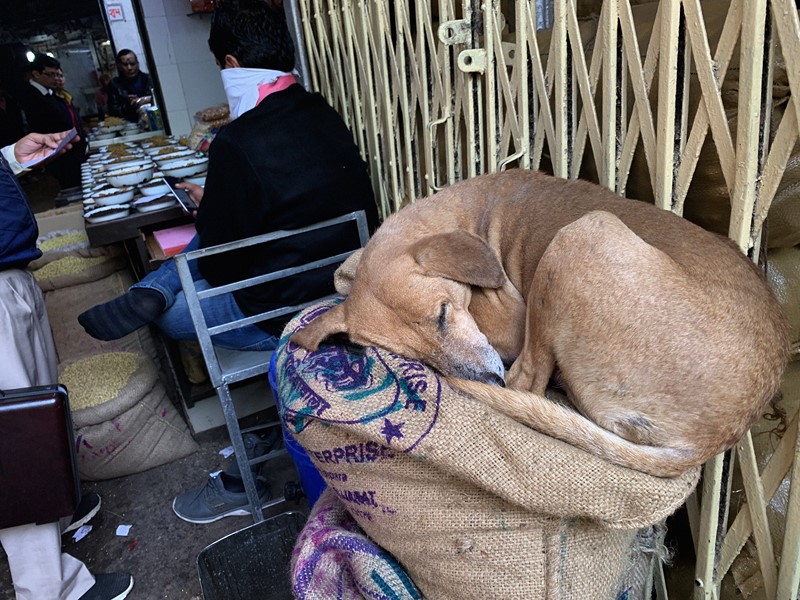
Below: Scenes from the Khari Baoli Spice Market in Old Delhi – said to be the largest in Asia. We gave up asking what things were, just being contented with wandering unmolested – as tourists weren’t likely to buy the stuff by the sack or half hundredweight.
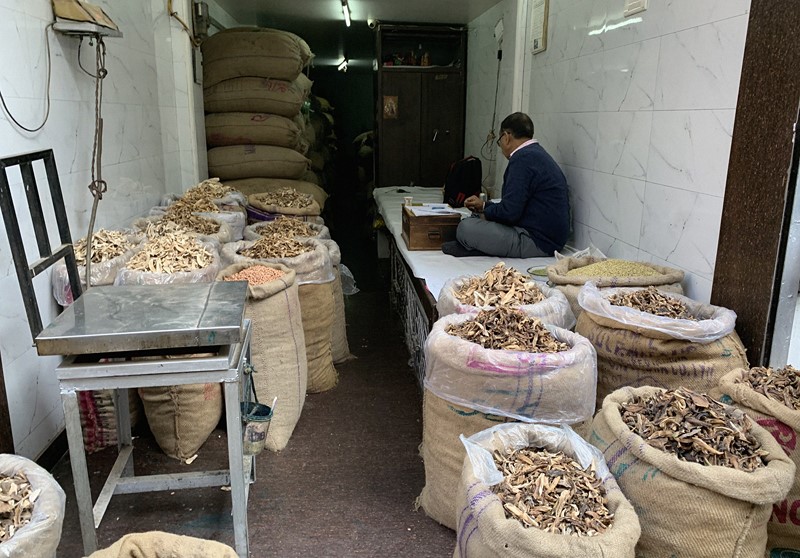
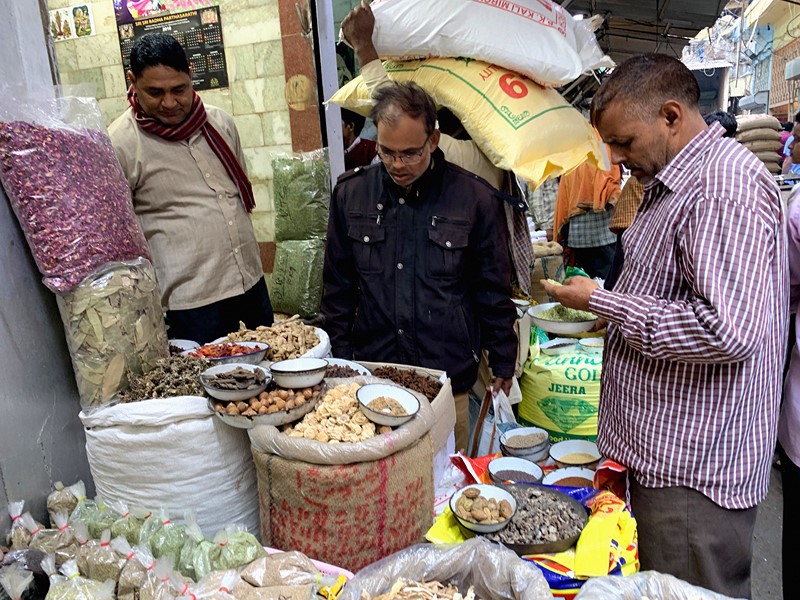


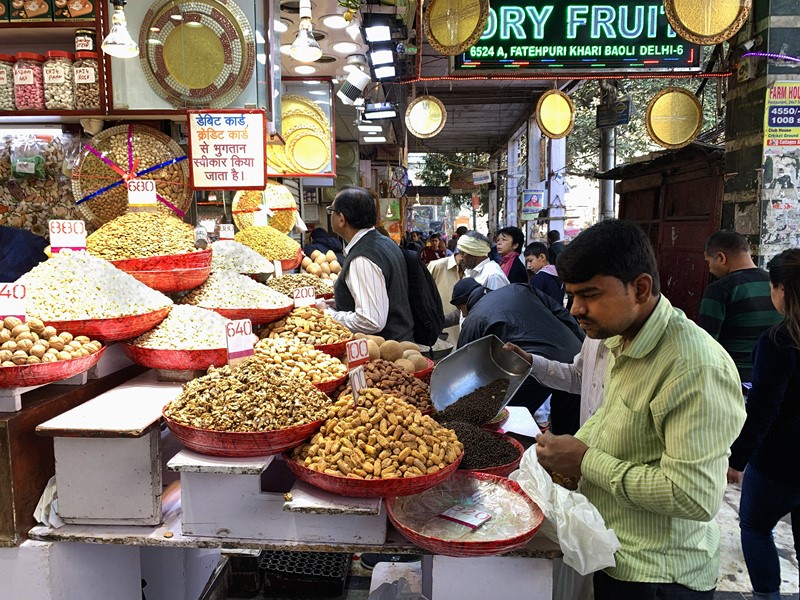
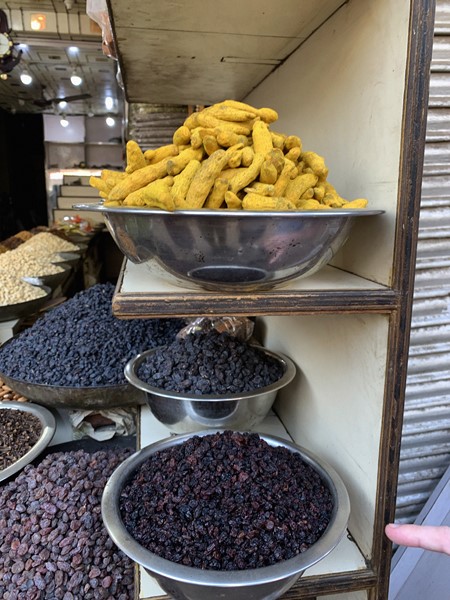

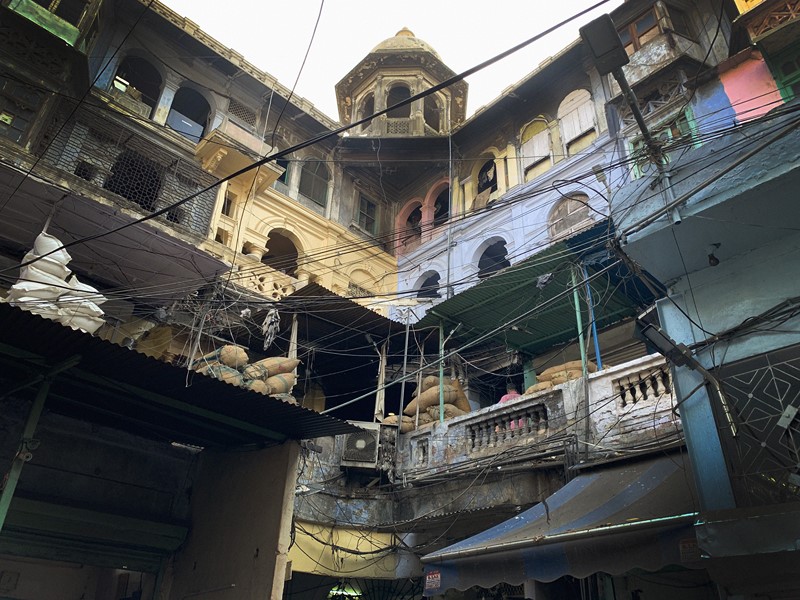 Spectacular colonial ruins surround the market, with balconies stacked high and no apparent access.
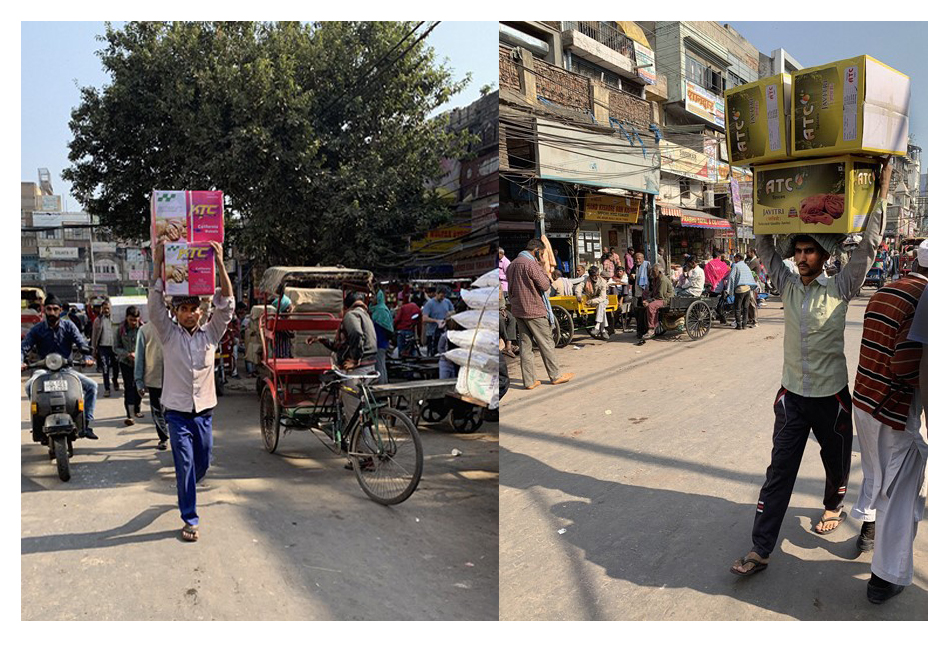
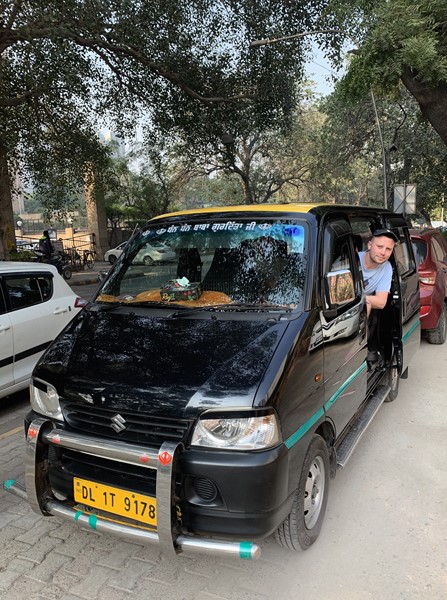
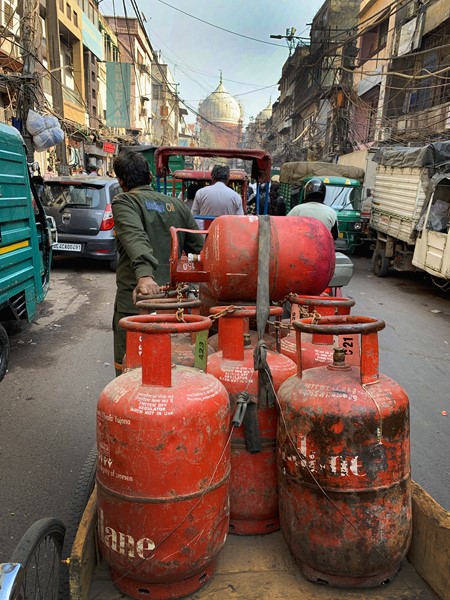
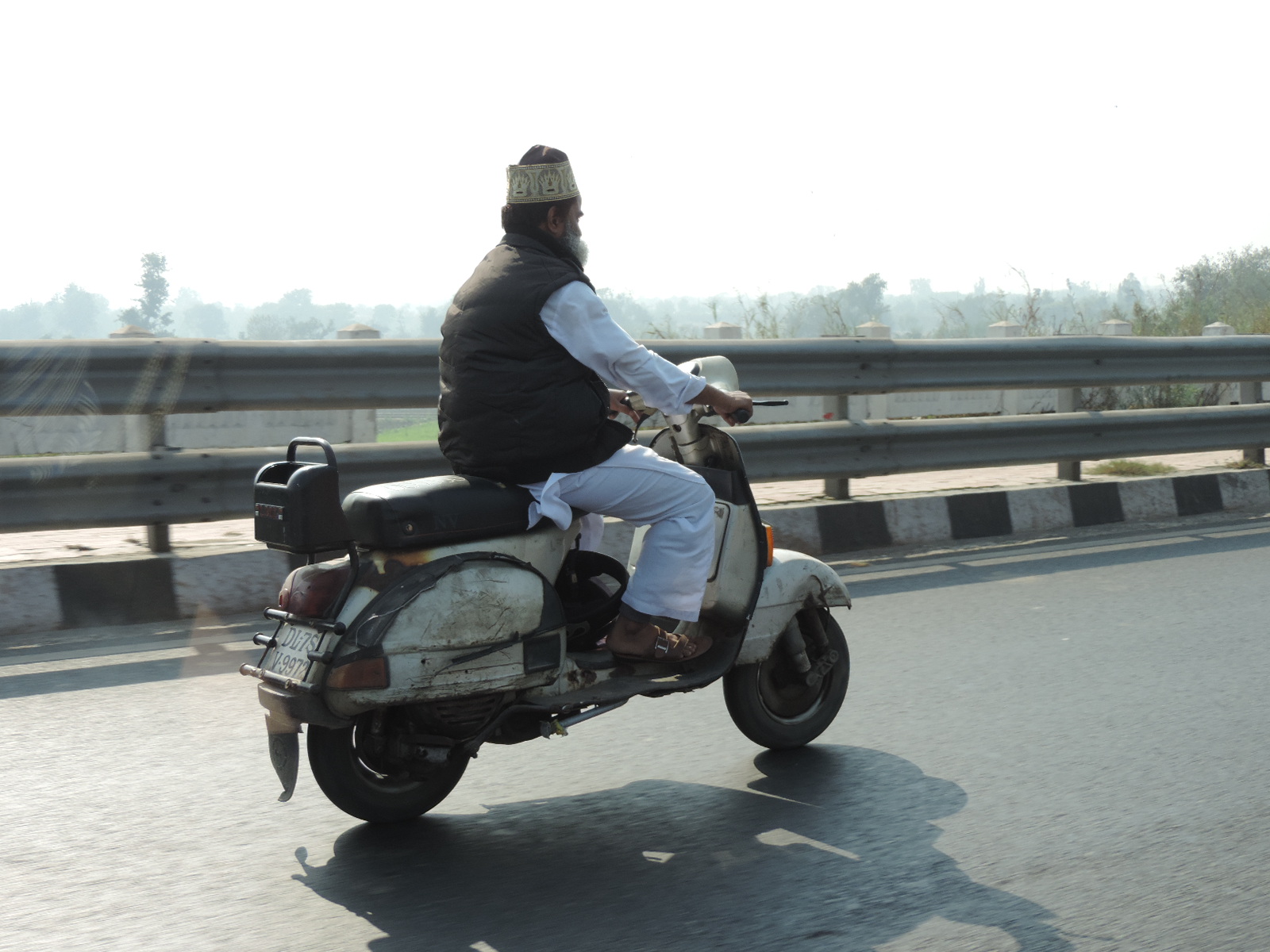
Transport in Delhi, Some slow, some not, but almost all frustrating.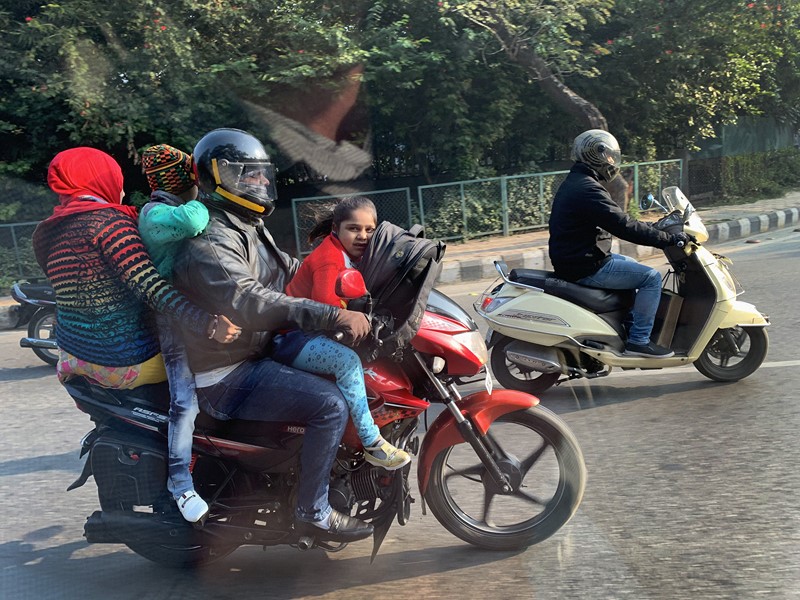
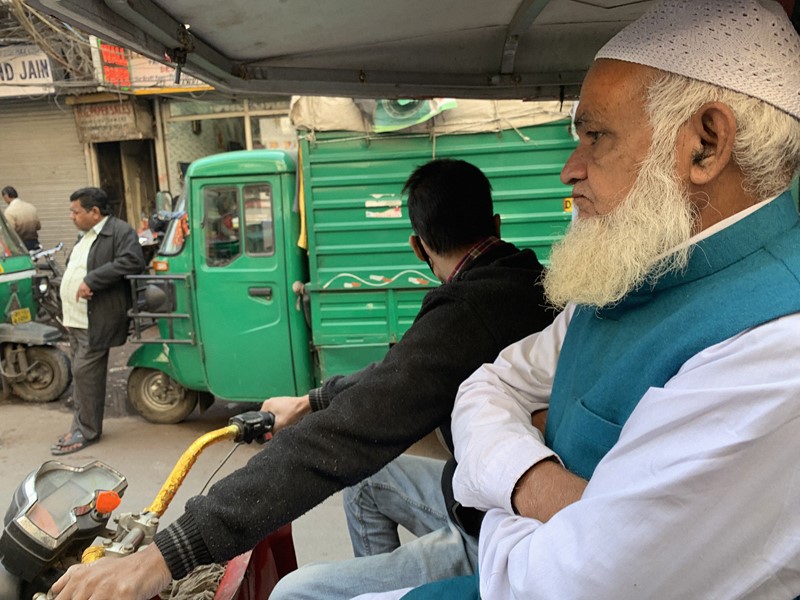
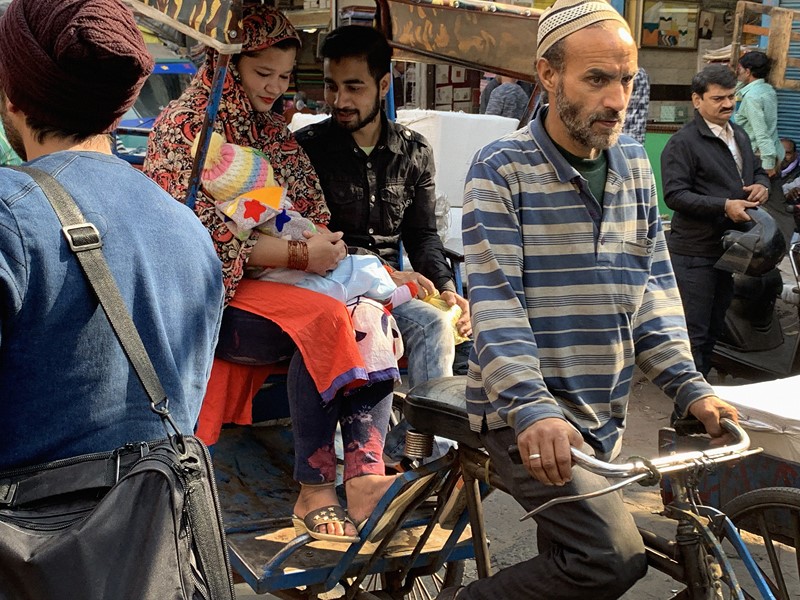
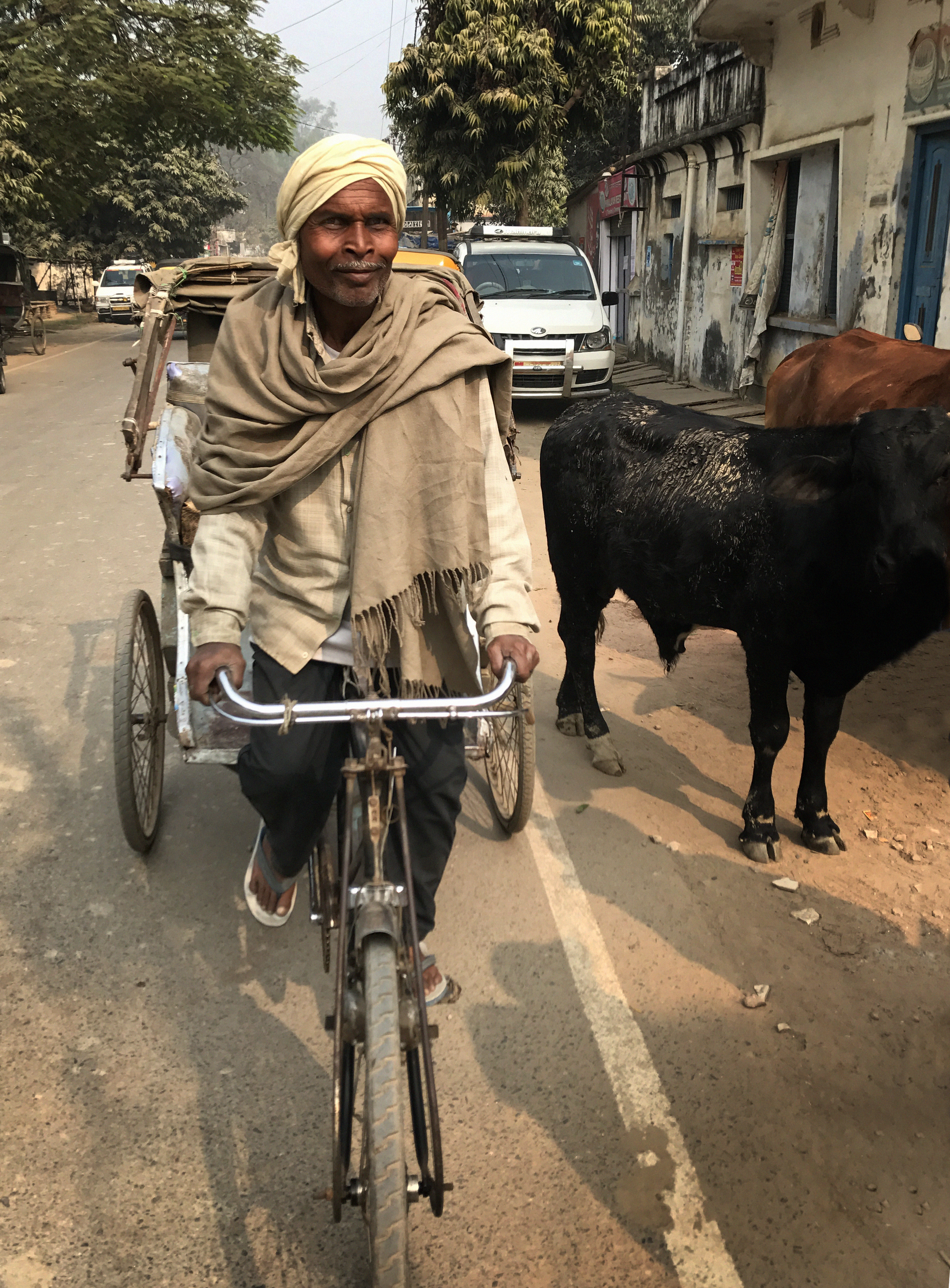
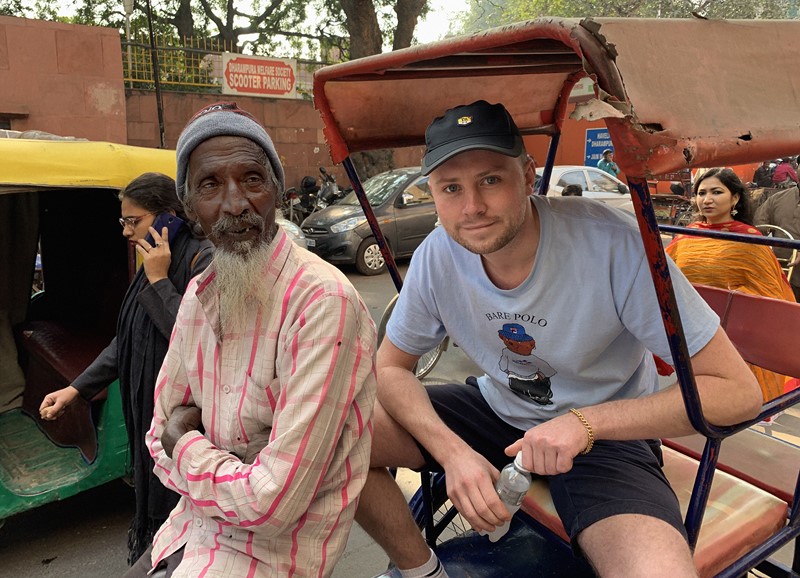 Jamie and an Indian ‘Gandalf’ – his hard-working rickshaw man.
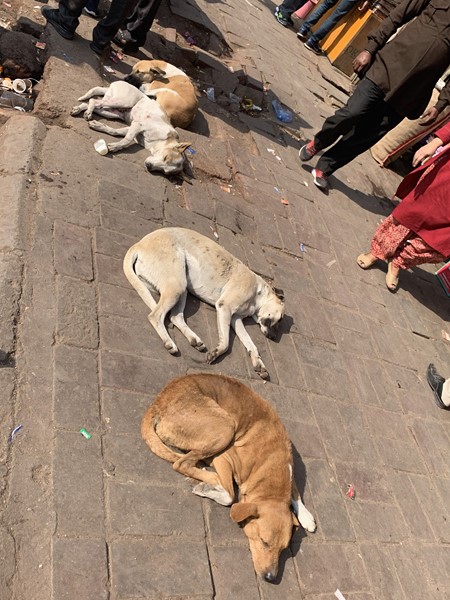
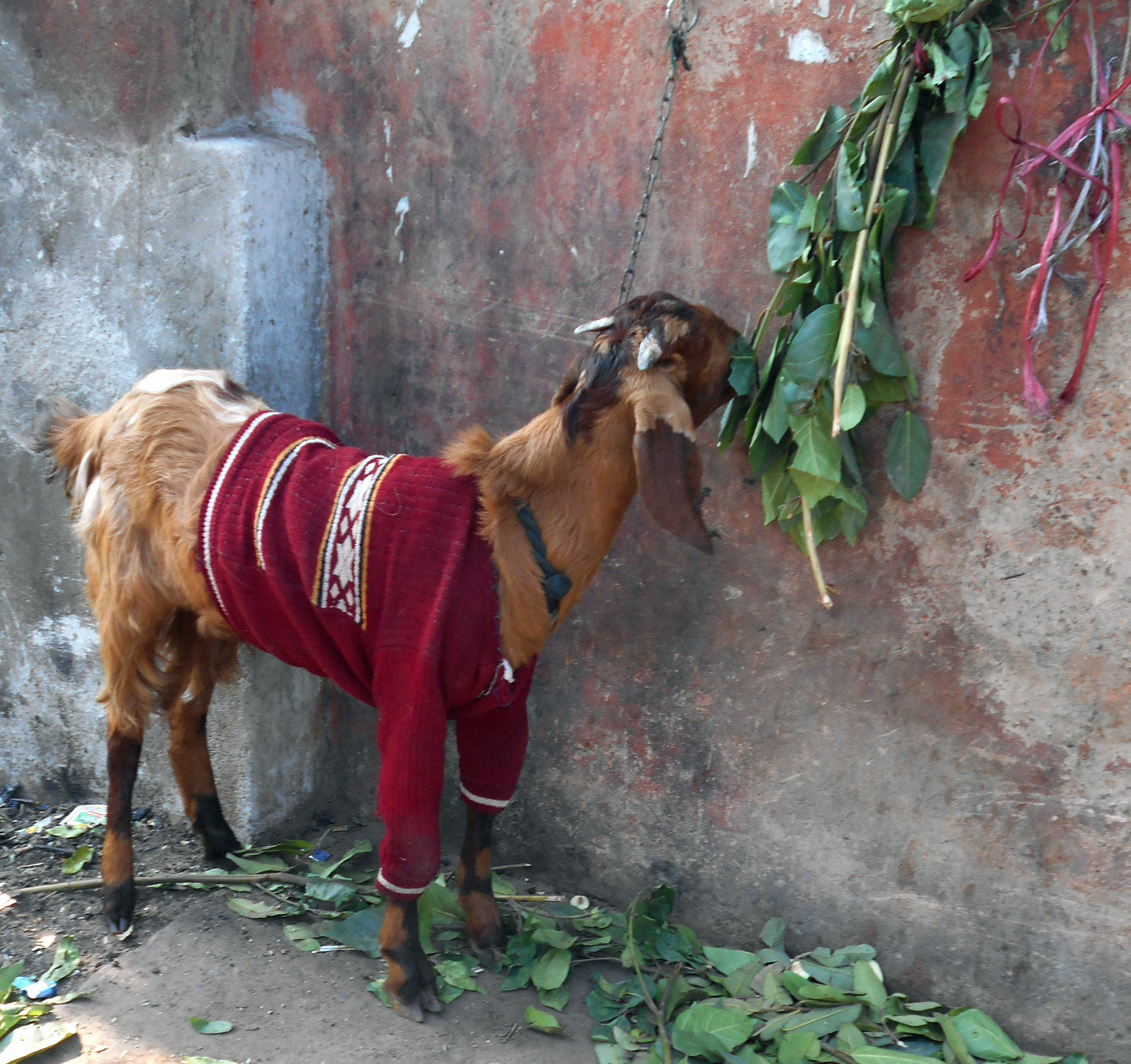
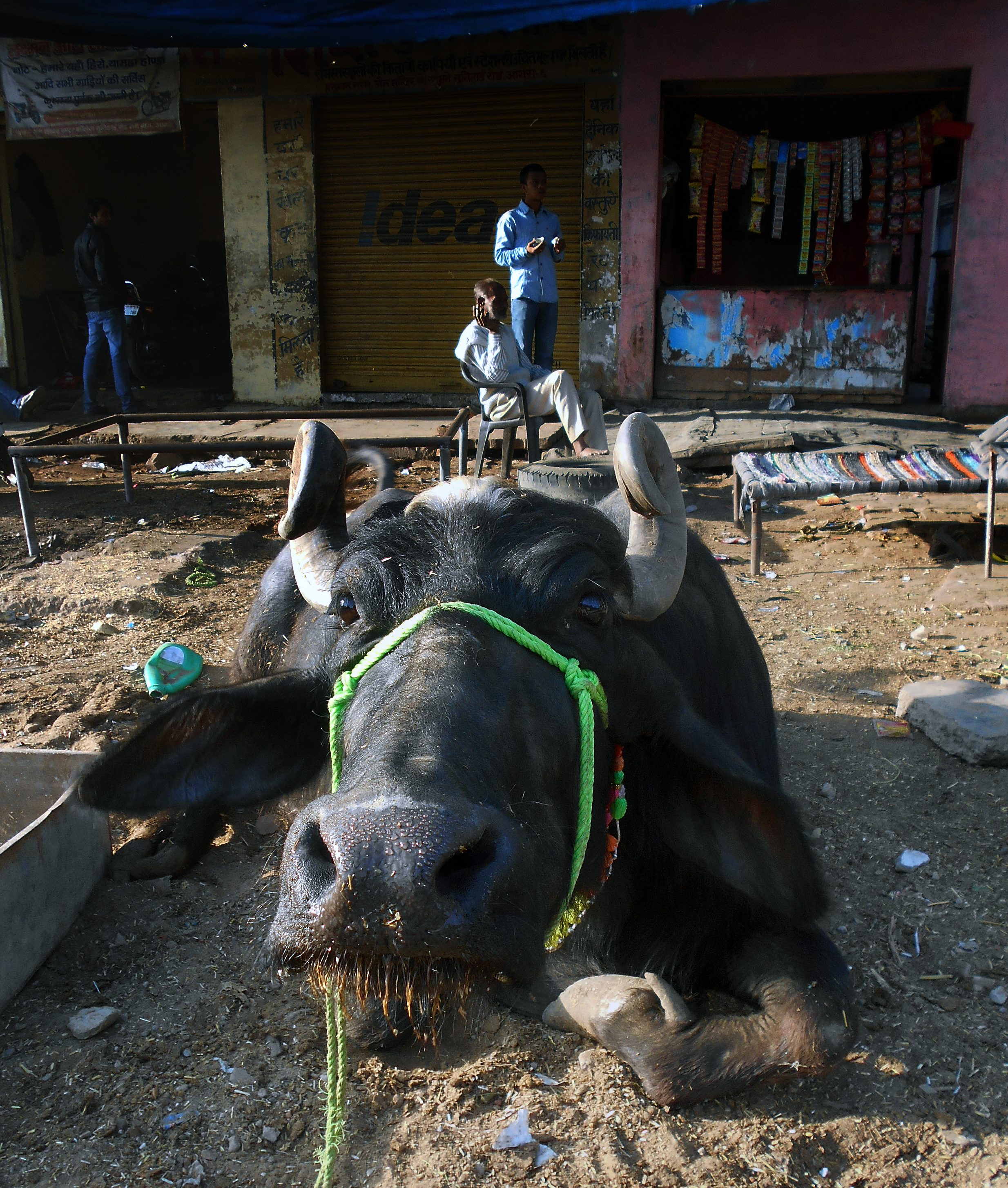
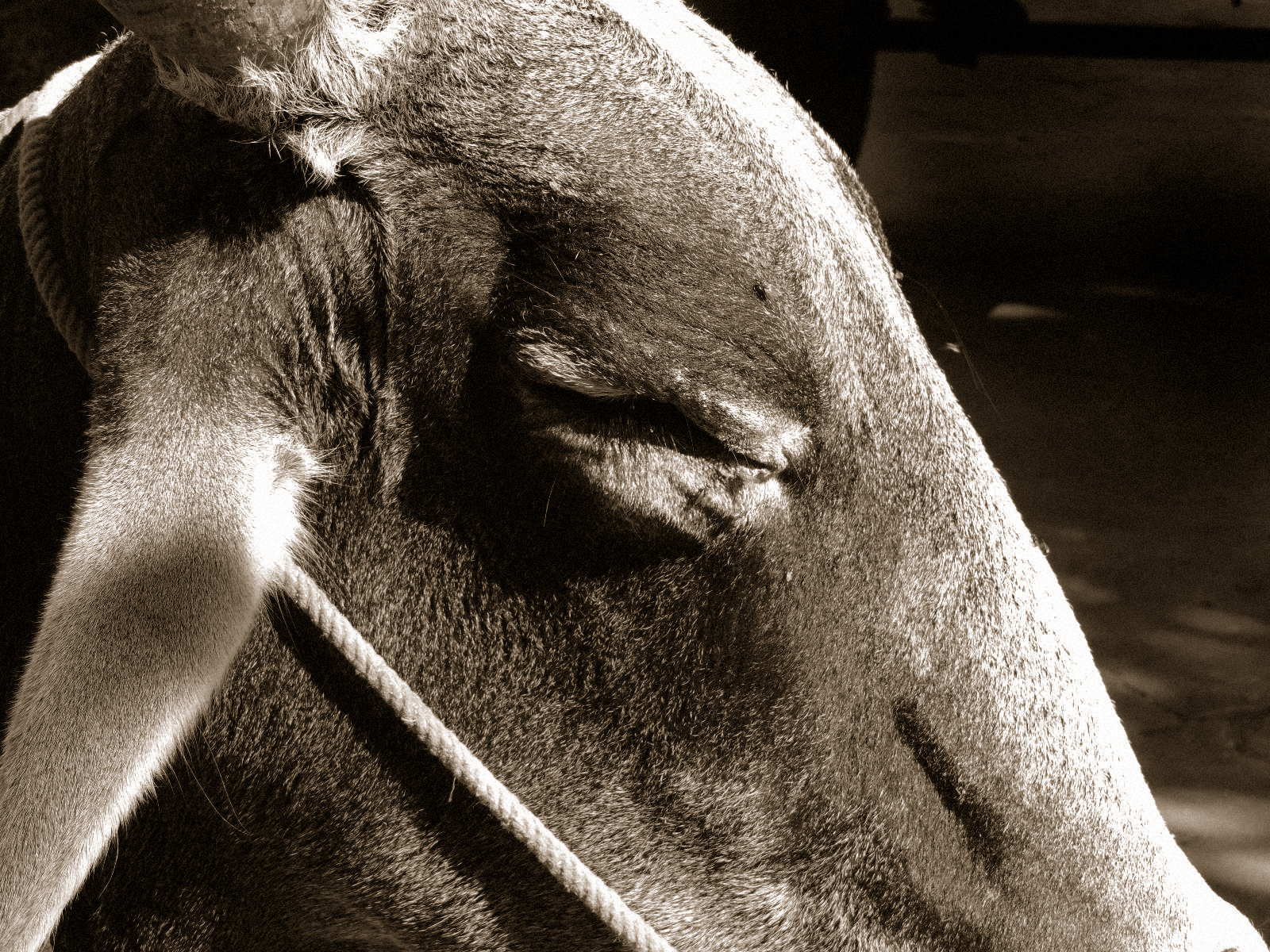
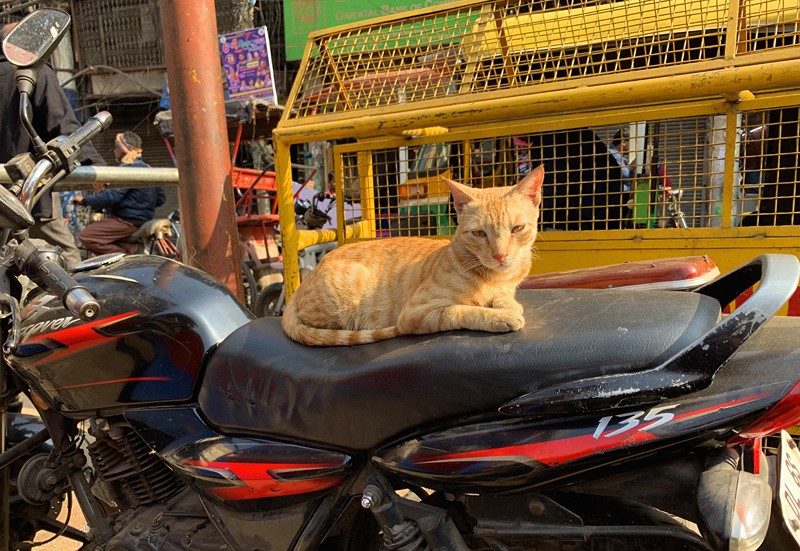
Below: Animals you might expect to find on the loose…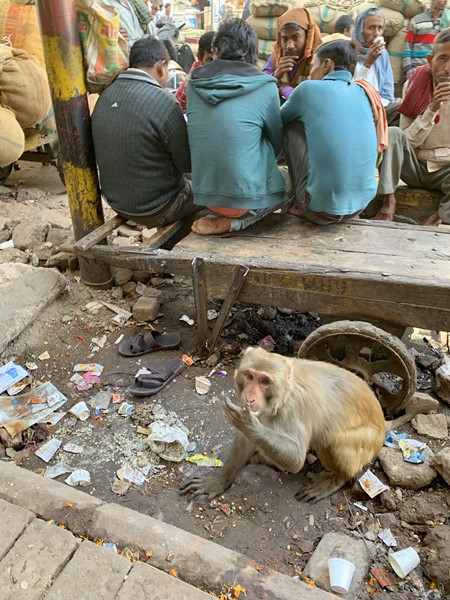
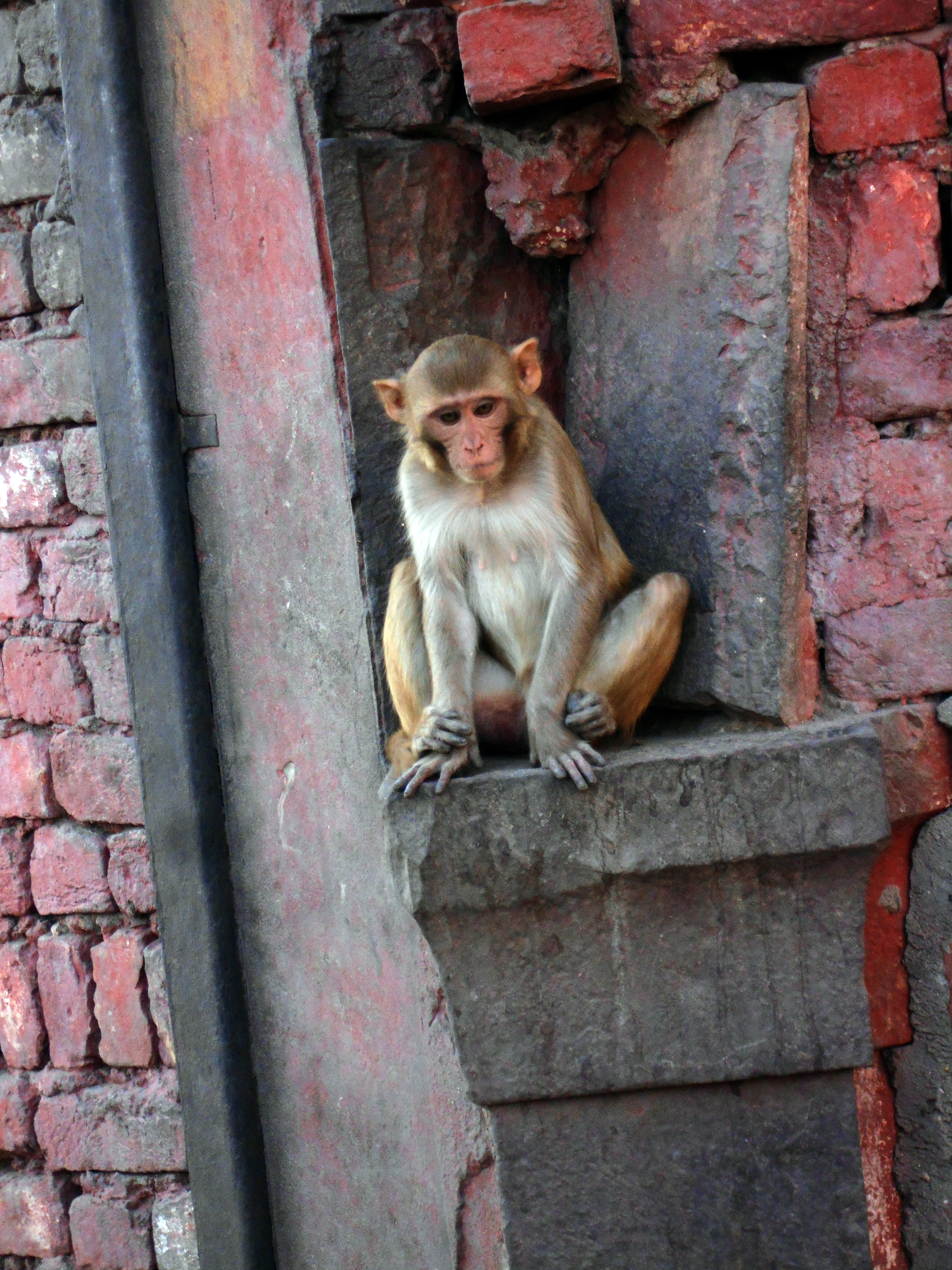
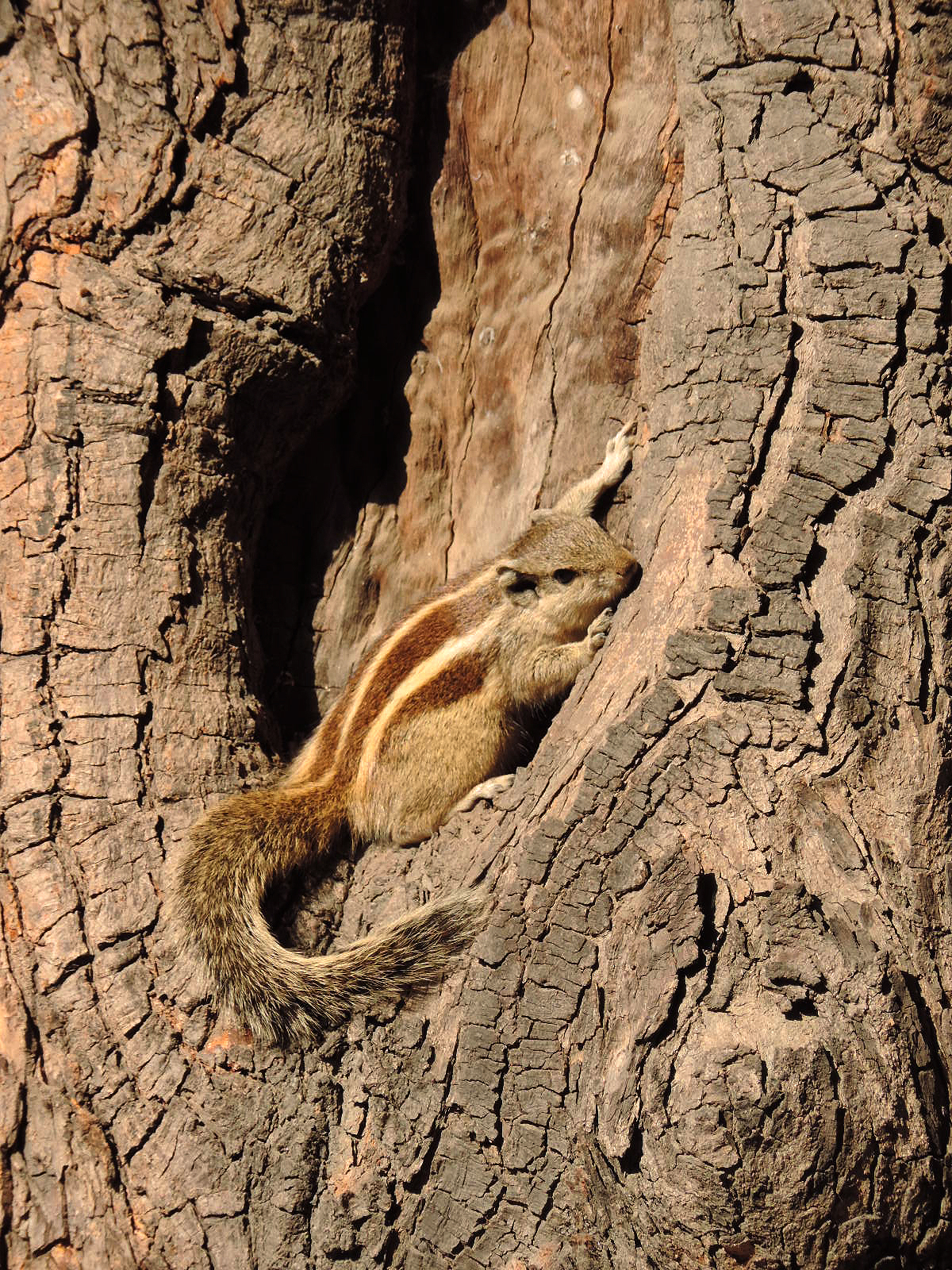
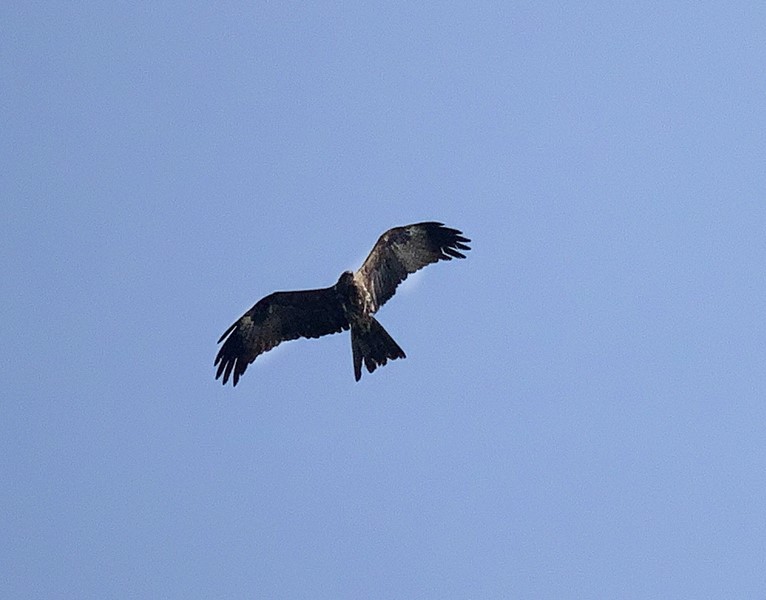 A Black Kite – absolutely thousands seemed to roam the skies everywhere we went.
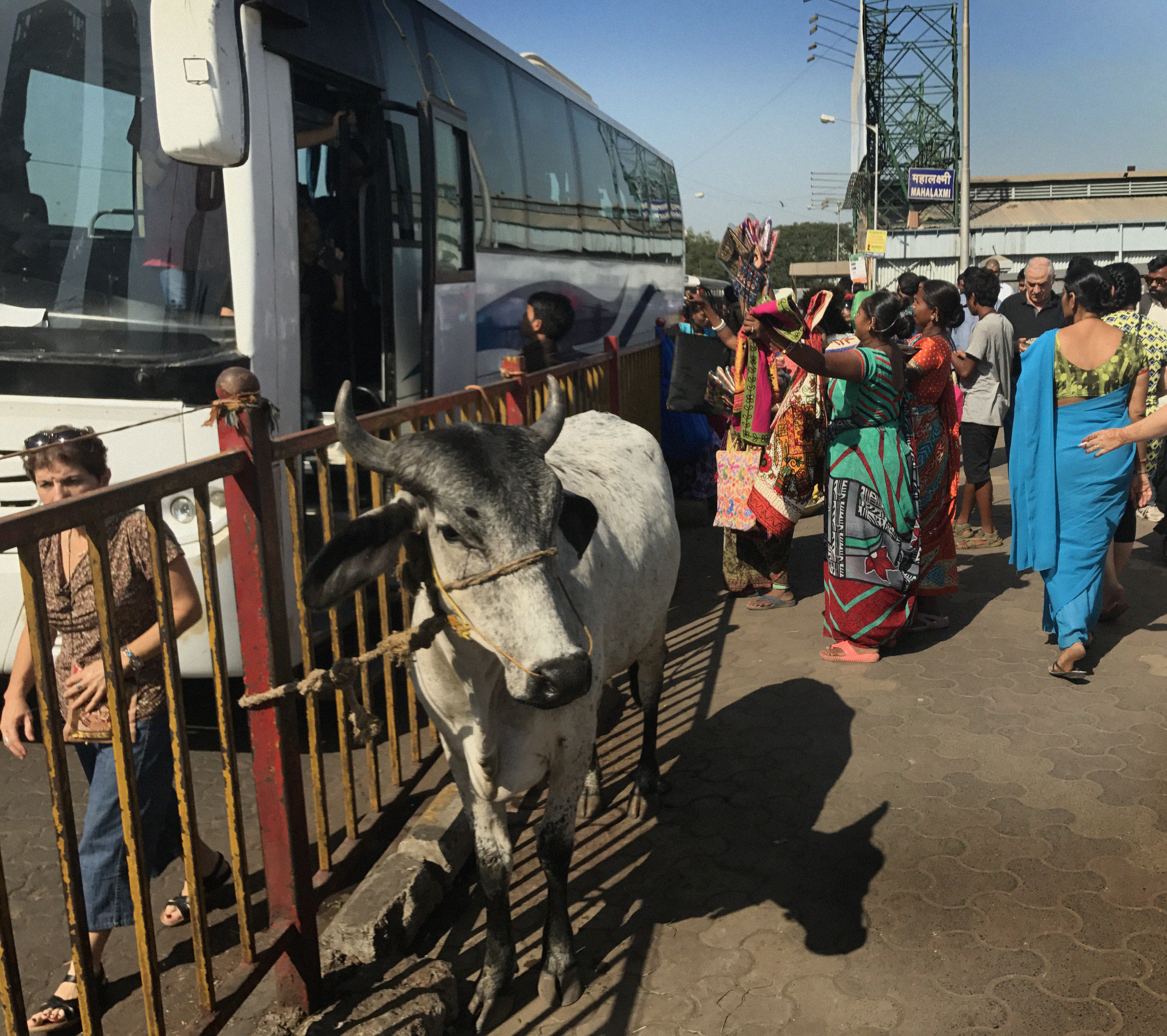
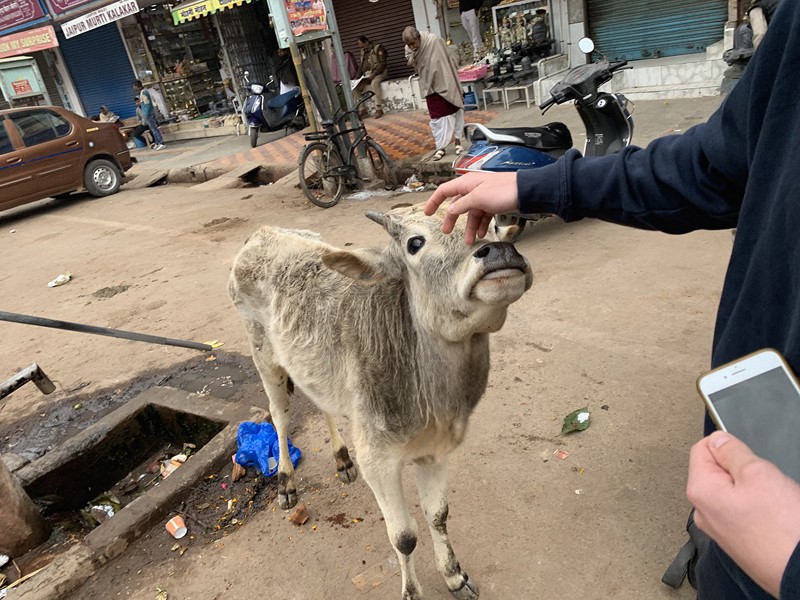
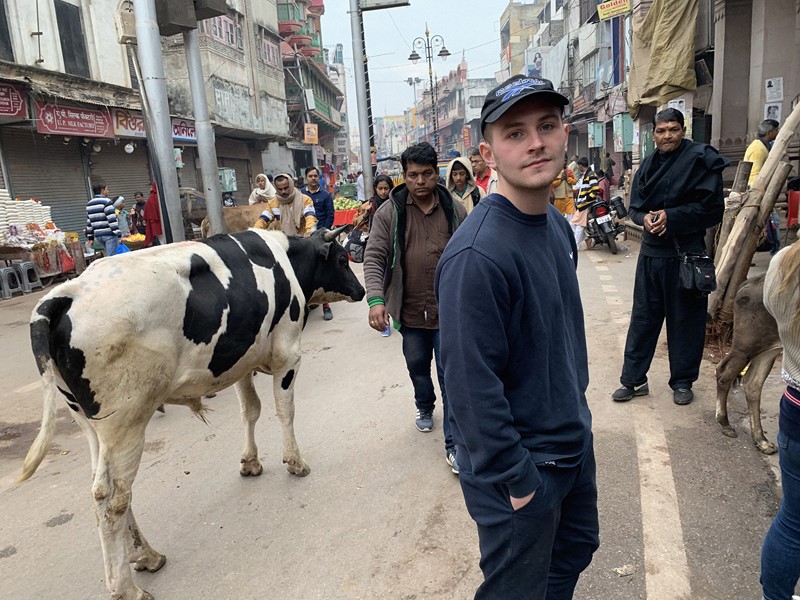
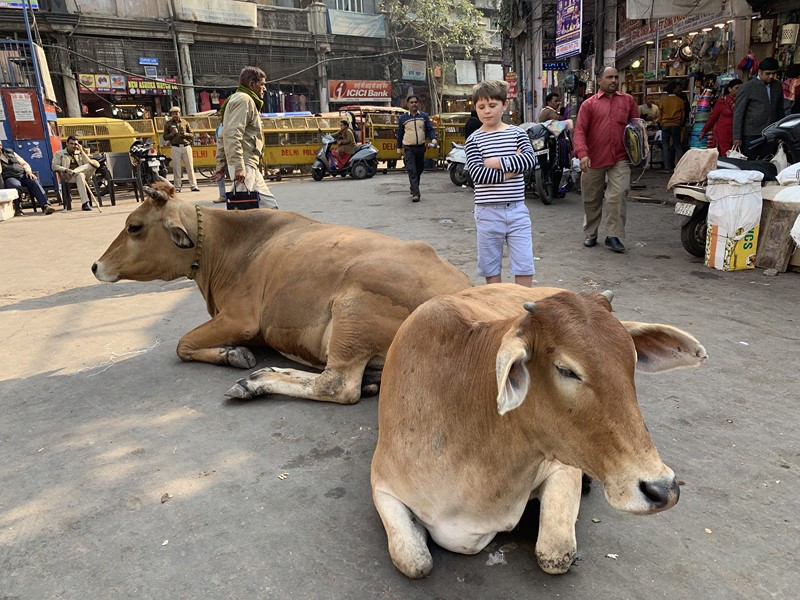
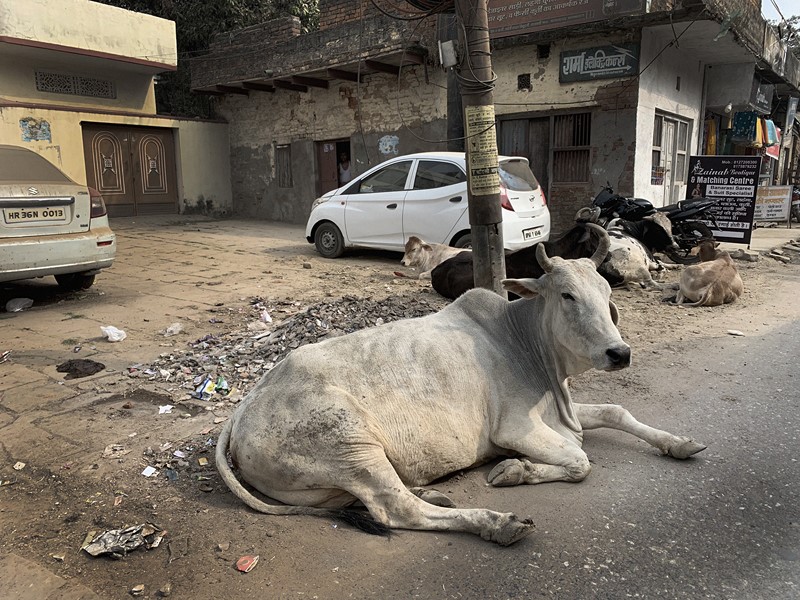
Below: Cows enjoying immunity. Why? I still ask. No fencing, no restrictions. We had one in the fast lane of the Delhi/Agra motorway. Cow pats everywhere, traffic hold-ups and no fresh milk to be seen. At night part of the smog was from fires made of dried dung, all in a capital city. Here the Mayor of London would have his work cut out trying to enforce his ‘clean air policy’.
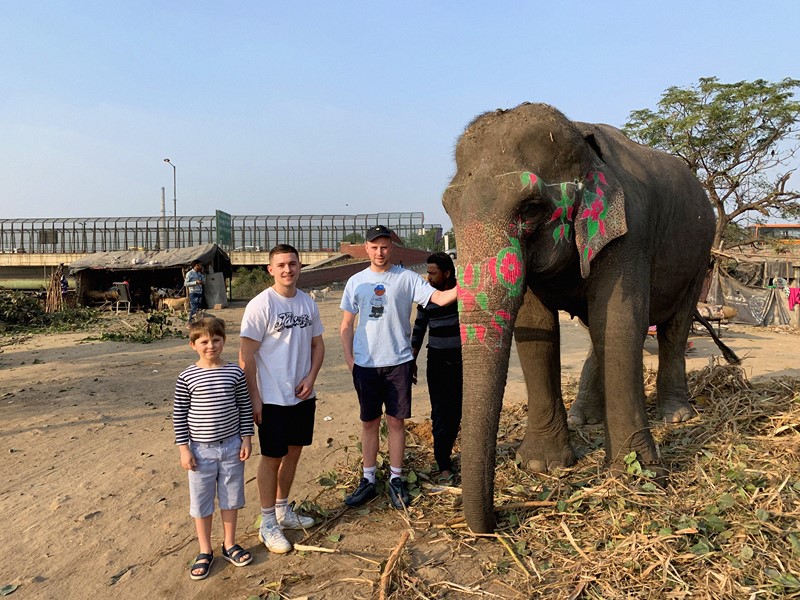
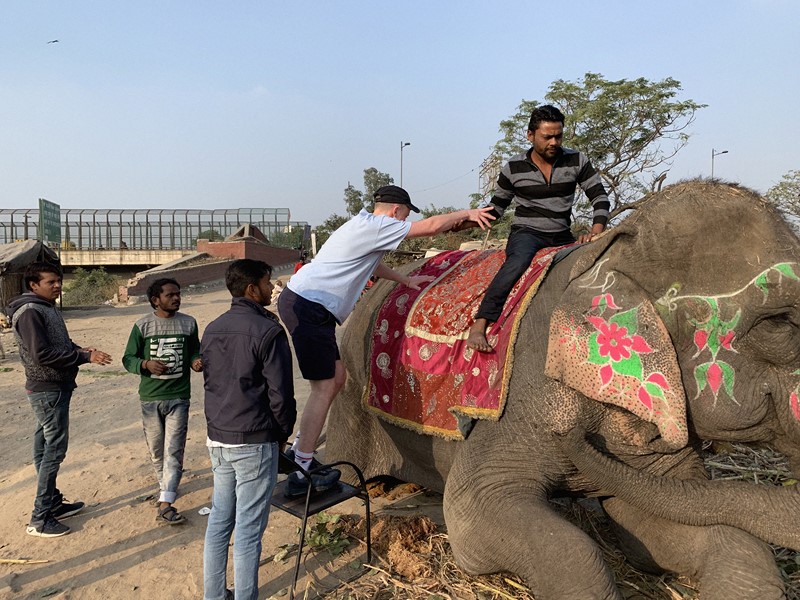
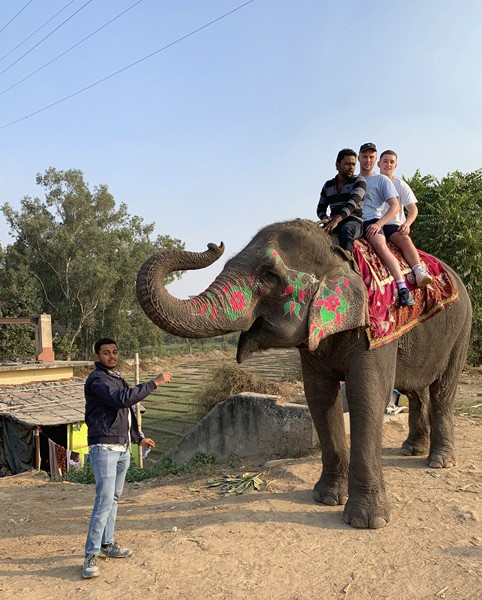
 Below: A roadside attraction. Our very own chance to ride an elephant [at 2000 Rupees ~ £20] in a dirty nomadic village just off the main highway into Delhi. I think it was the same elephant that we encountered 2 years ago – so obviously its owners realise its incredible value for making good money in an otherwise inhospitable cul-de-sac.
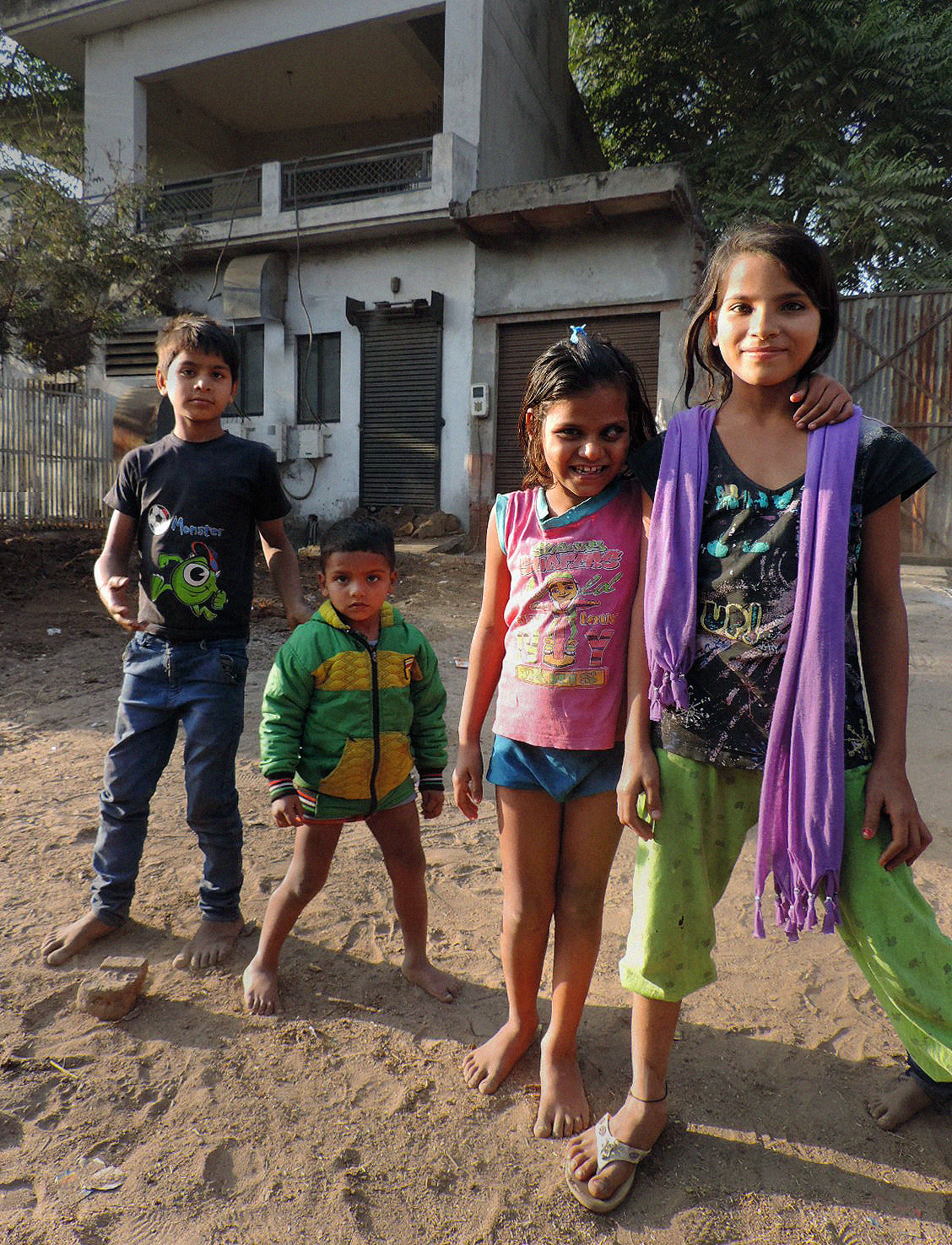
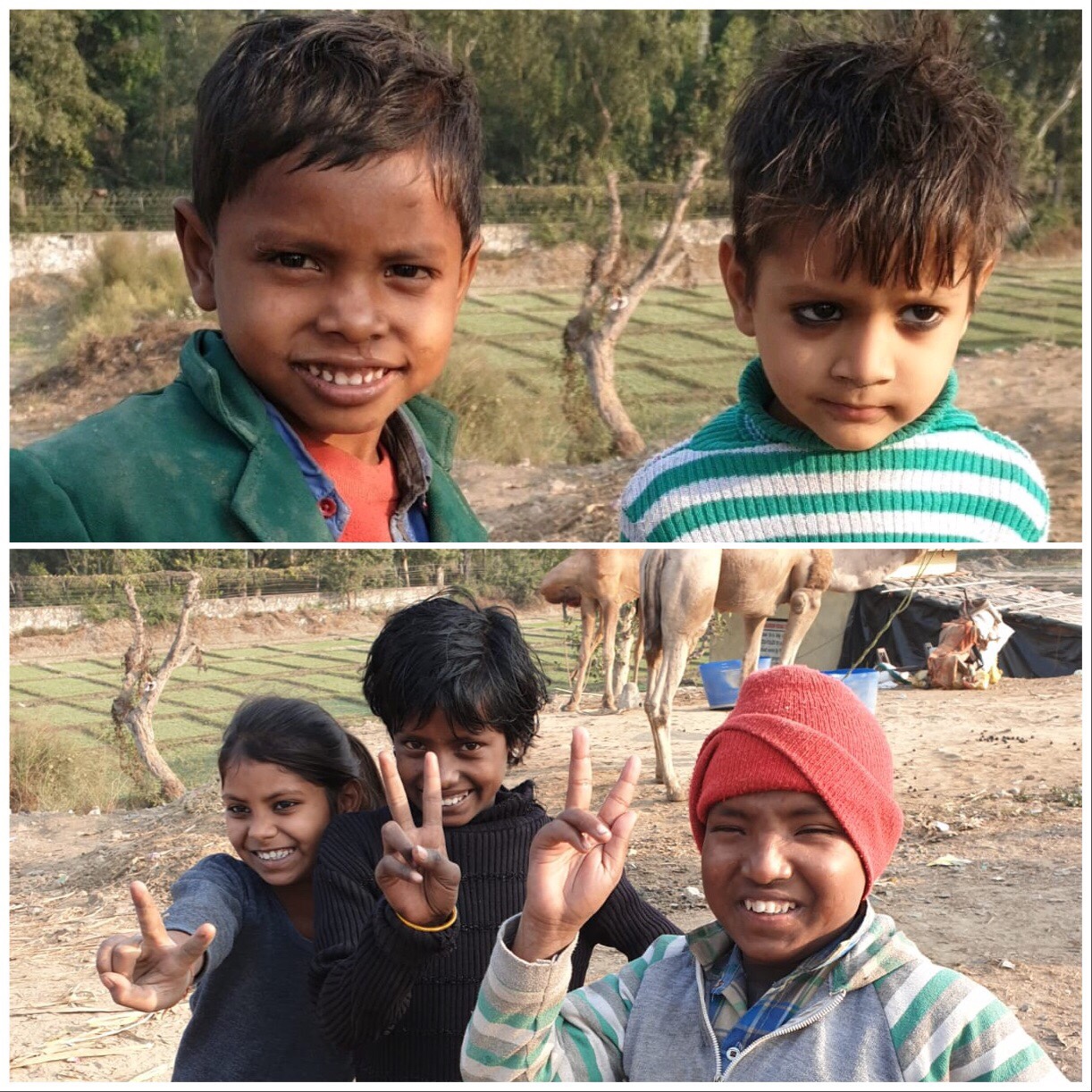
Children in the elephant village. Despite the State offering free schooling; meals; and smart uniforms; many Indian children don’t get that chance in life because of the ignorance and stuck mentality of their [sometimes teenage] parents.
The Elephant Village Camel. A Spitter and Hisser, no-one fancied a ride. Even if it had been offered ‘Free’.

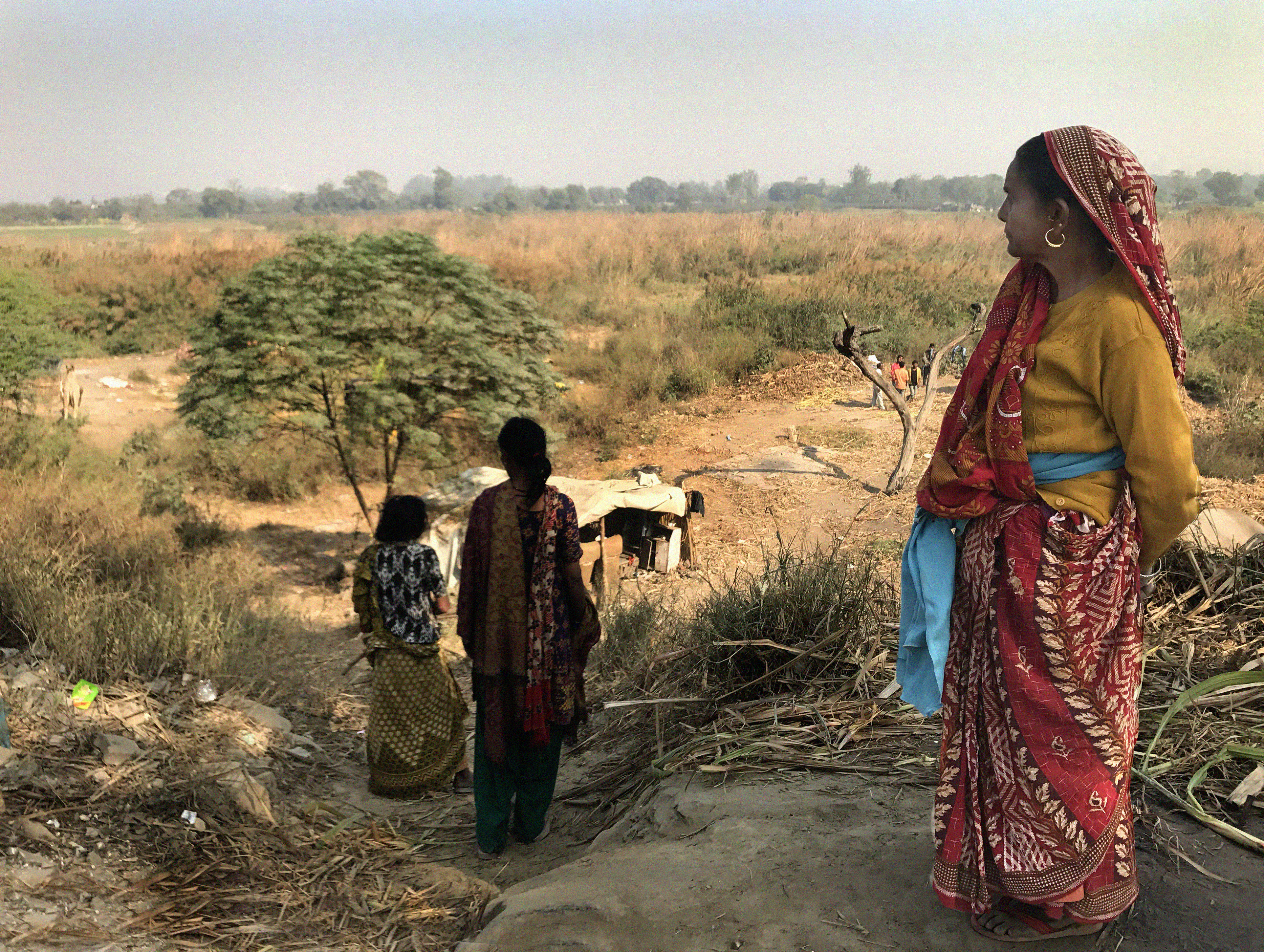
Below: The scrubland where the Elephant people live
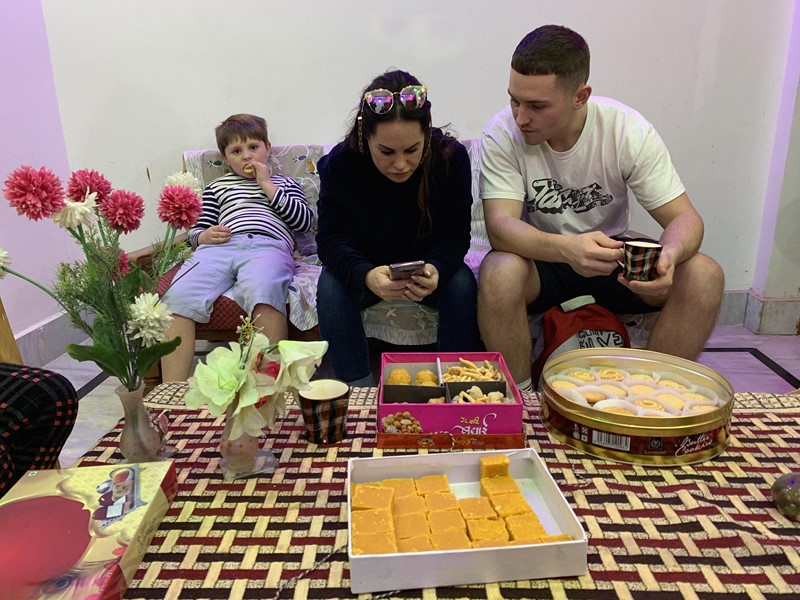
Finally away from the chaos – Tea and WiFi at our driver’s house. He was SO keen we visit, we could hardly refuse.
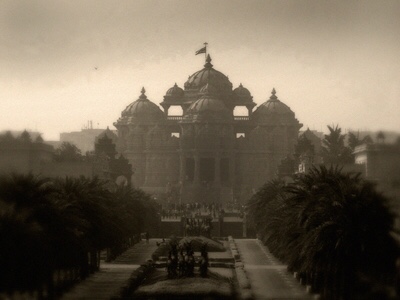
Below: The Akshardam Sikh temple. A major attraction, and since photography was not allowed, a walk around was unimpeded. Without shoes obviously.
Goodbye to Delhi, and on to the city of Varanasi.

 jimsoccasionalblog