Statistics, Statistics, Statistics
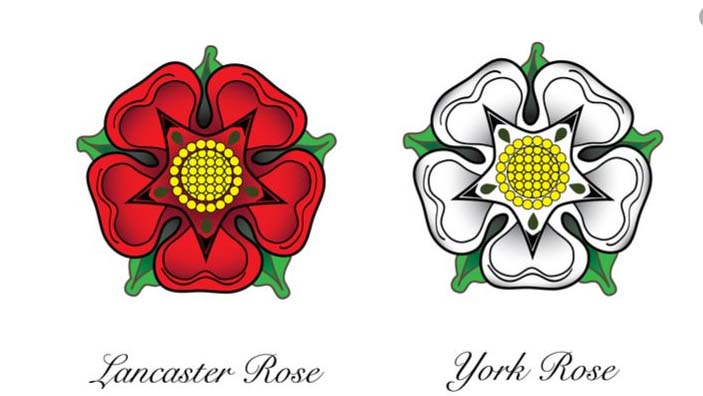
In 1461, midway through one of the most extraordinary phases of English history, the battle lines were once again drawn up between the two factions acting out the blow by blow passage of the Wars of the Roses. Much is written about the ‘English Civil War’ which was to come 200 years after the Roses, where King and Parliament fought for the good of the People; but the Wars of the Roses was in many ways just as cataclysmic for the whole population of England. The conflict lasted 35 years and cost thousands of lives. Innocent folk were swept up into brutal events that were to shape society and our country for times to come. That was 660 years ago.
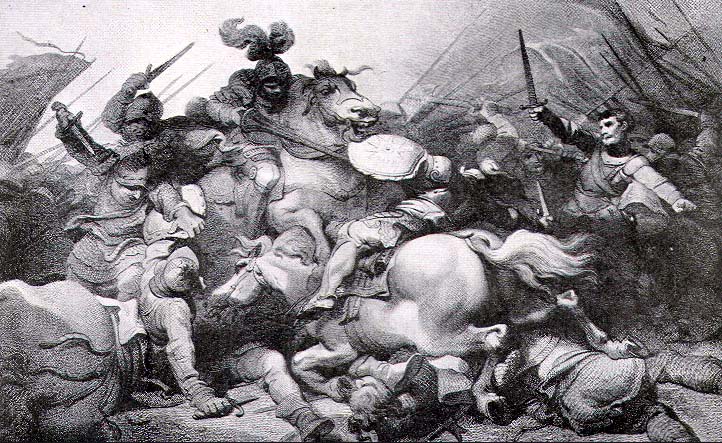
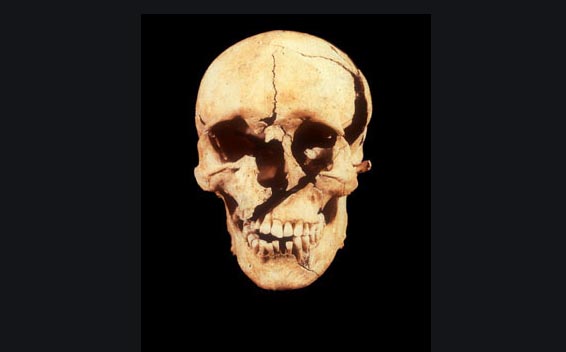
At the Battle of Towton, fought on Palm Sunday in 1461, it’s estimated that that the Lancastrians had in excess of 45,000 troops and the rival Yorkists a mere 35,000. That’s a total of 80,000 soldiers fighting to the bloody end on one single day. That’s the same as a Wembley-full turnout on Cup Final Day in 2020. Historians record this as the bloodiest encounter ever fought on our soil; and its estimated that as many as 30,000 died in the space of the 10 hour fight. This was in days before guns, when it was largely hand to hand combat; chopping, slicing, and cleaving with tools that defy imagination. The injured stood no chance and were killed in situ, died fleeing or simply perished later as a result of unshakeable infections. 30,000 on a Holy Day in a snowstorm. 30,000 represented about 1% of the population of England.
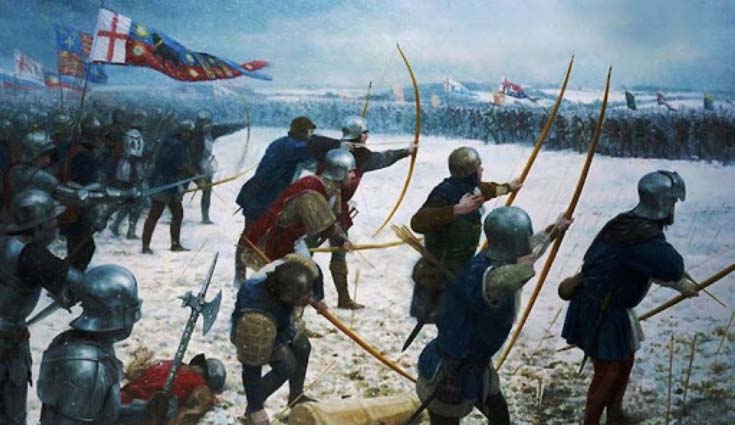
Victory that day went to the Yorkist Army, largely due to the heavy winds that aided their long range archers; and the late arrival of fresh reinforcements who were slow to find their way to the battlefield. The battle of Towton was in many ways only the ‘beginning’ of a new phase of struggles that would mean the Roses conflict would continue for another 24 years. That day Edward IV seized the Crown, and started a long campaign to avenge the losses the Yorkists were seen to have suffered.
As we reel from recent days with our population being affected by the spectre of illness and loss, think back and realise that 1461 makes an uncanny comparison. Current Government thinking with its models, data gathering and reference to other countries, would place the UK as being just as prone to a population loss of 1-2% as things go.

Unfortunately in today’s terms that’s about 550,000 people – but that figure is just about the same proportion as this particular Roses battle. This 10 hour encounter. That’s the point here – 660 years ago a country, a society, a roughly-hewn-together nation, just suffered this and then ‘got on’. What are we to think this Easter? All those years ago the population was made up of people who’d already survived what life could throw at them. 60 years of age was old.
Right now Corona Scientists have mapped out their predictions with a ‘high’ and a ‘low’ death scenario. Public Health England was reported to say that getting away with 20,000 deaths would be a ‘result’.
On that Easter day in 1461, what would Public Health England have gambled on ?
CV19 would take at least a month to manage this…
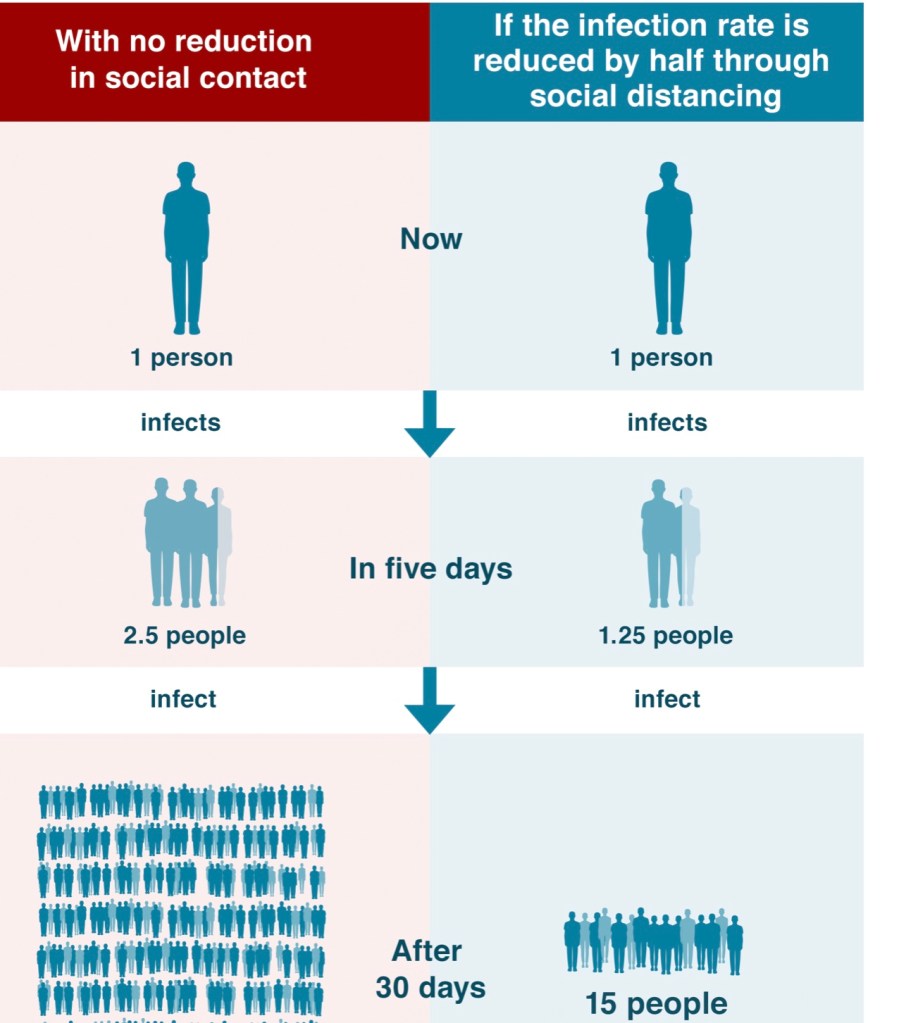
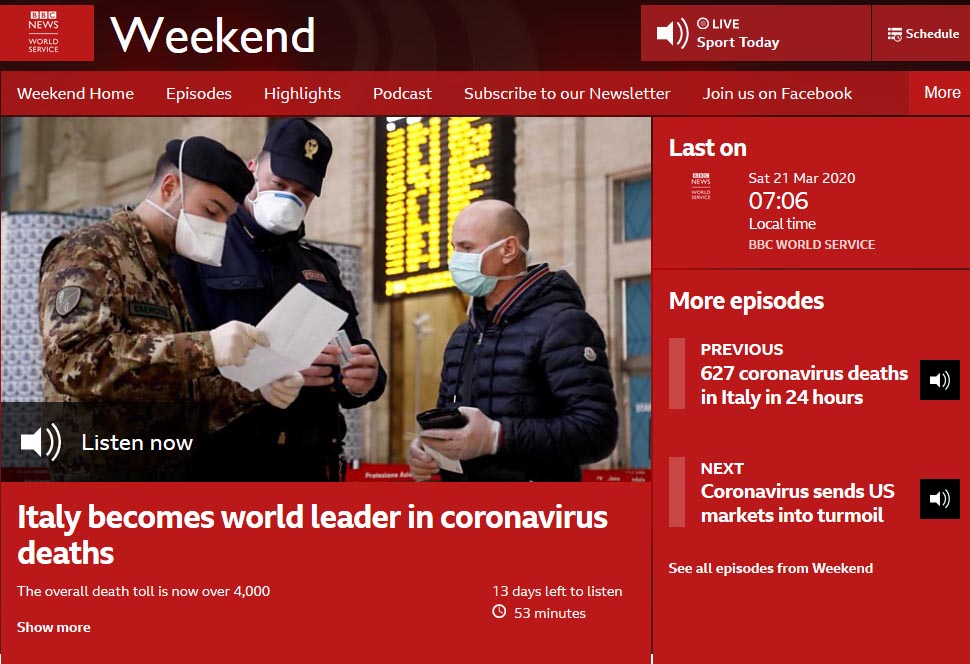
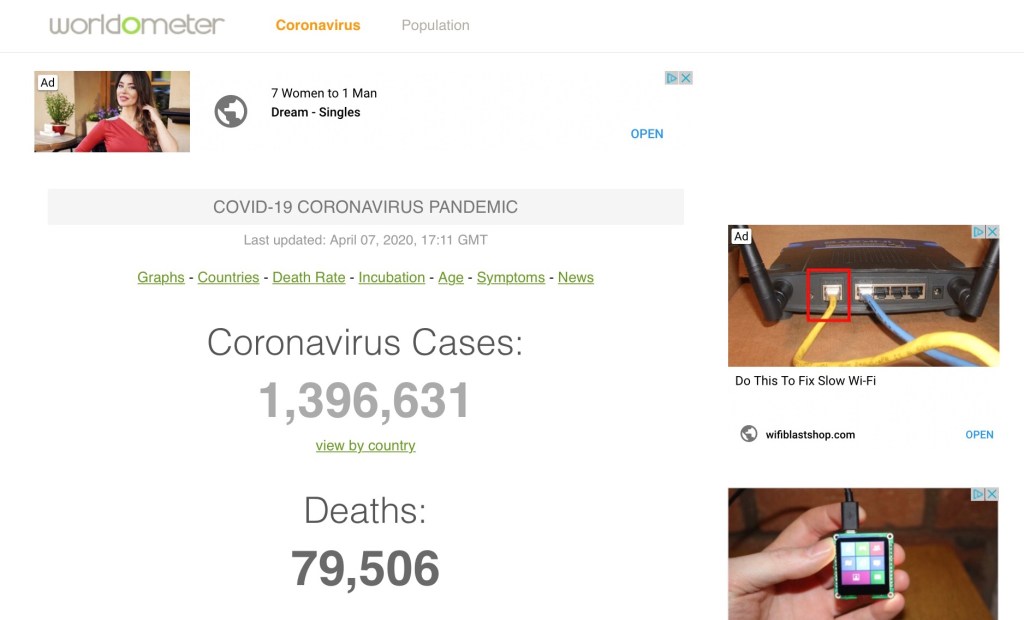
Below is a ‘ready reckoner’ site that just keeps those numbers rolling. With a bizarre juxtaposition of advertising placement?
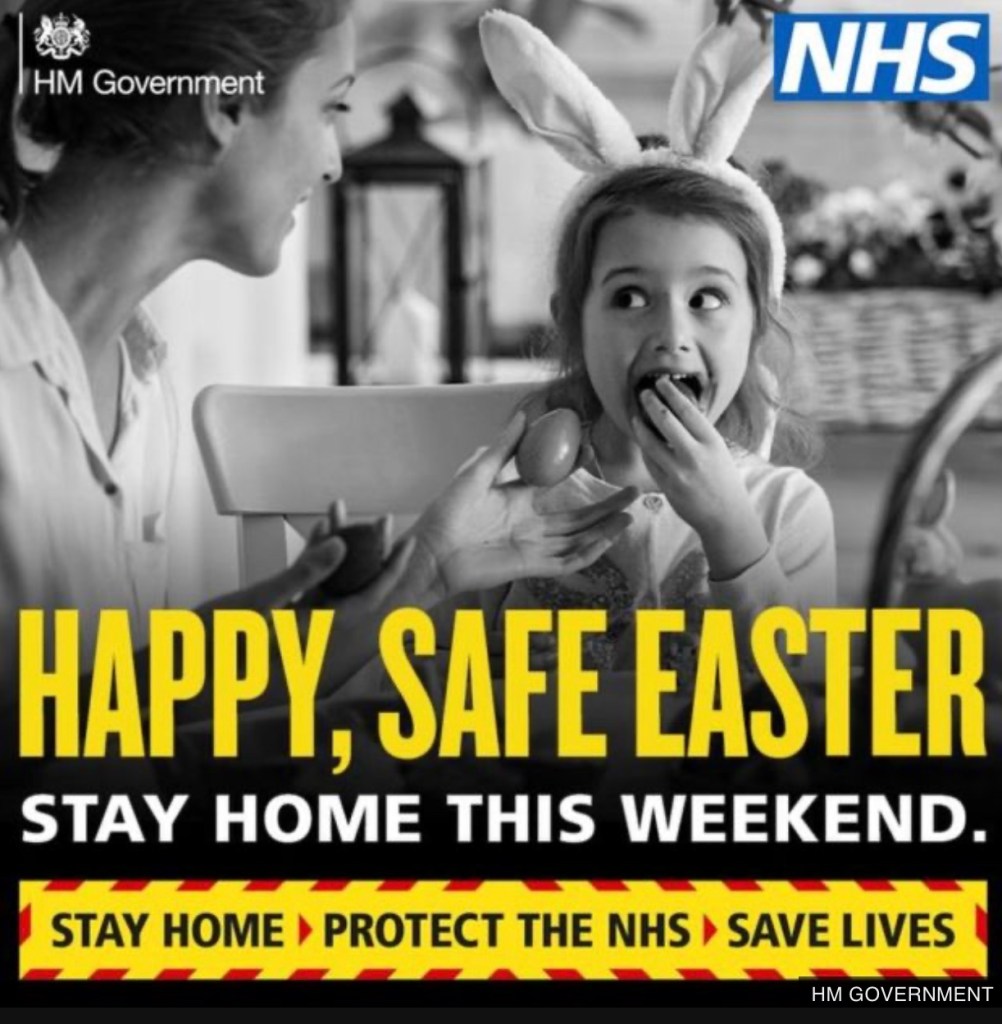
It’s Easter and we’re still in this phase of Isolation
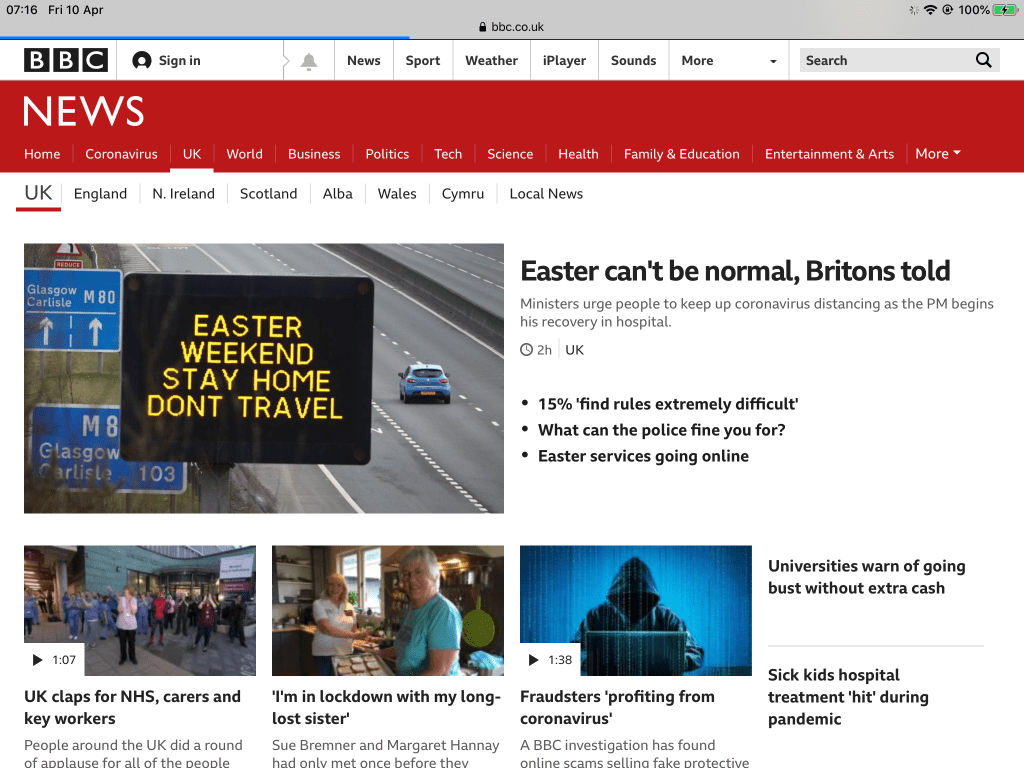
Stay at Home
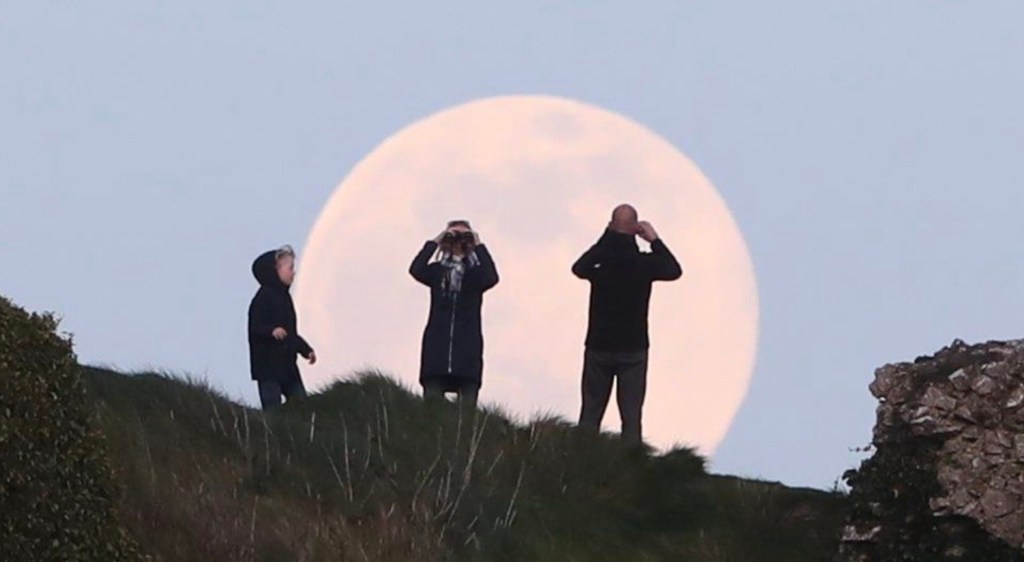
This year we’ve aparently been in for a ‘cracker’ – a full blown full moon to ‘better’ many before. Called a Pink Moon. Easter is determined by being held on the the first Sunday after the last full moon that falls after the Spring Equinox. Complicated but not. Get to March 21st [equinox or thereabouts], THEN wait for the next full moon which as we know comes about every 28 days; THEN have Easter sunday as the first sunday AFTER that full moon. So in this year’s case it’s 12th April. Bingo.
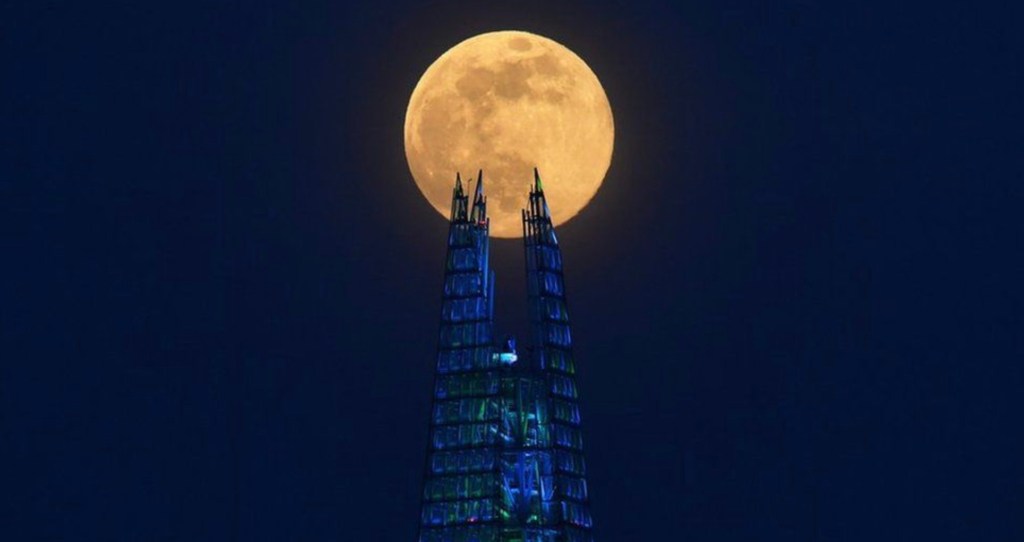
Another view of this week’s ‘Pink Moon’ [above] which [despite being told to stay at home] seems to have been photographed by the high and mighty across the country.
In times to come, it may be that this period of April will also be remembered by the extraordinary weather we’ve been getting. No rain for three weeks – skies clear, and cracks in the mud. A far cry from the flood warnings a month ago…


This was the week that Boris’s condition worsened and he was to spend 2 days in an Intensive Care Unit. Some cynically thought it was a kind of PR exercise; whereby the illness of a man of importance, an apparently fit 55 year old, would suddenly make a huge[r] tranche of the population sit up and think [if they hadn’t done so already], ‘that could be me’.
Of course the flipside to the PM’s hospital stay was a surge of publicity surrounding the current state of the NHS. The publicity that has always blamed the [any] government for lack of funding and recognition. Some media posts were made with such vitriol that you could imagine the writer being the one to unplug Mr Johnson’s very own life support machine. Just like the movies.
It was a week that put Brexit aside, and created a strange irony that would not be lost on the ‘thinkers’.
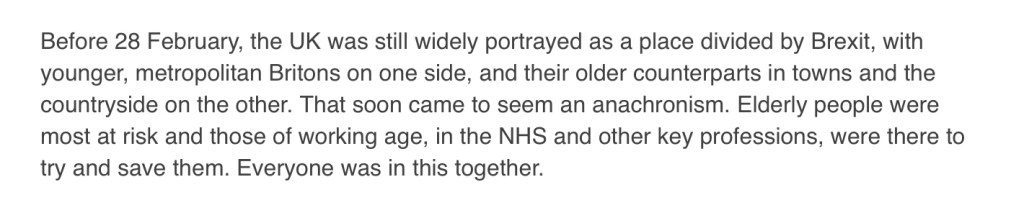

In America, things seem less calm. Another week of contrary announcements from Mr Trump and his Team, and the country’s death toll has now exceeded that of Spain and Italy. In fact I think I read that New York City’s was now at the head of the leaderboard.
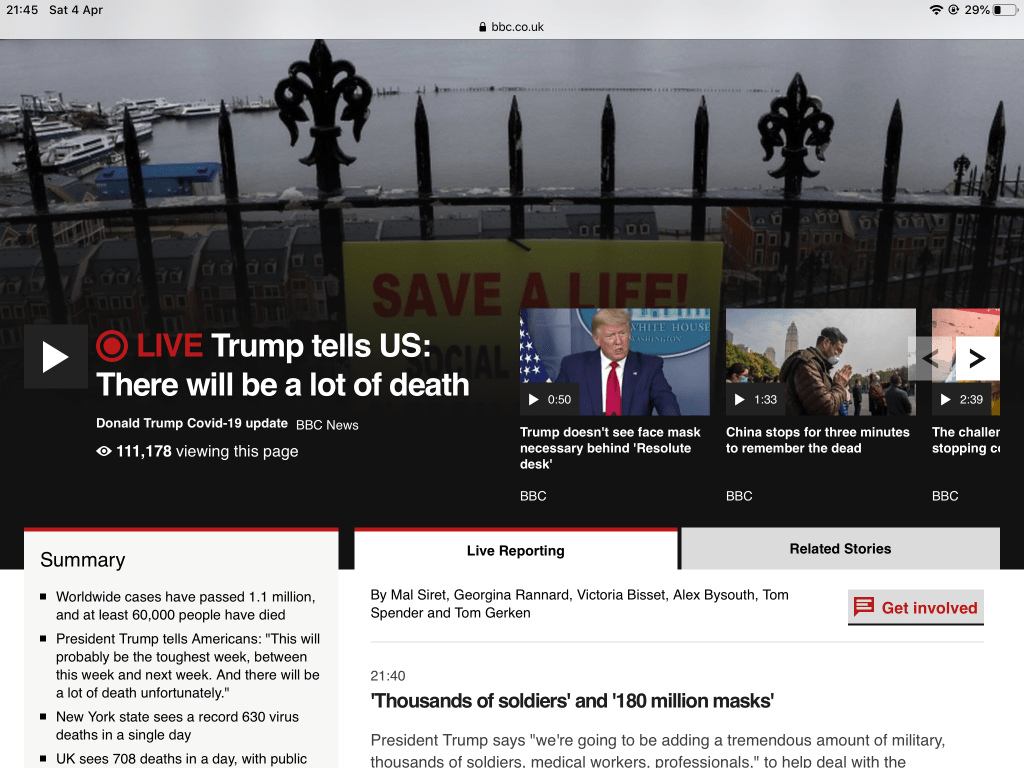
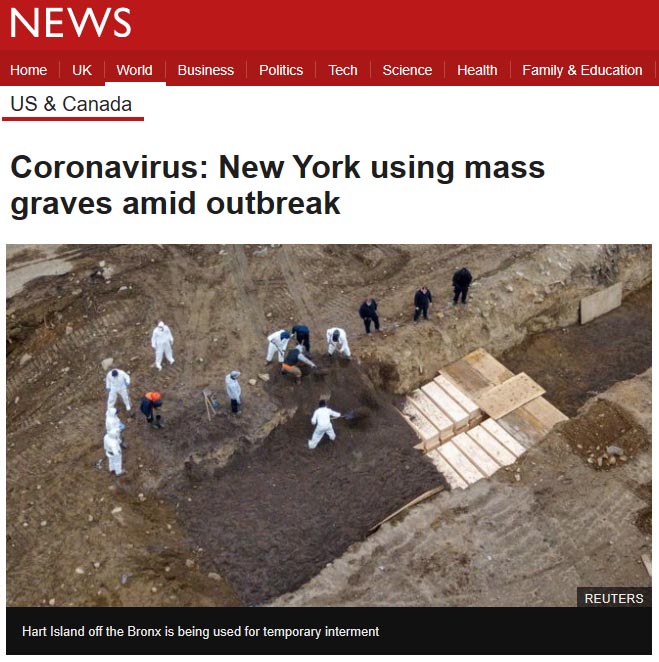
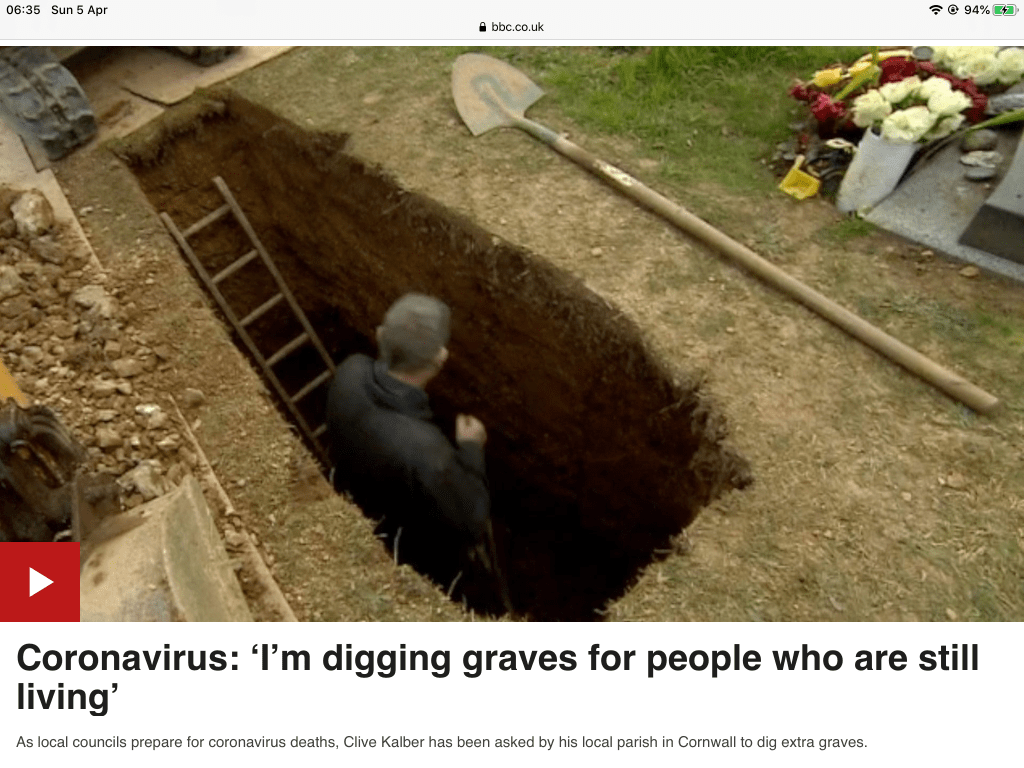
Easter Day, and this story above, along with the others from the ‘Semana Santa’. A gravedigger in Cornwall, who up until now dug on demand; but is now digging for the future. A macabre spectacle in a coastal village, that would at this time of year have been expecting the arrival of Easter visitors and the start of a new tourist season.
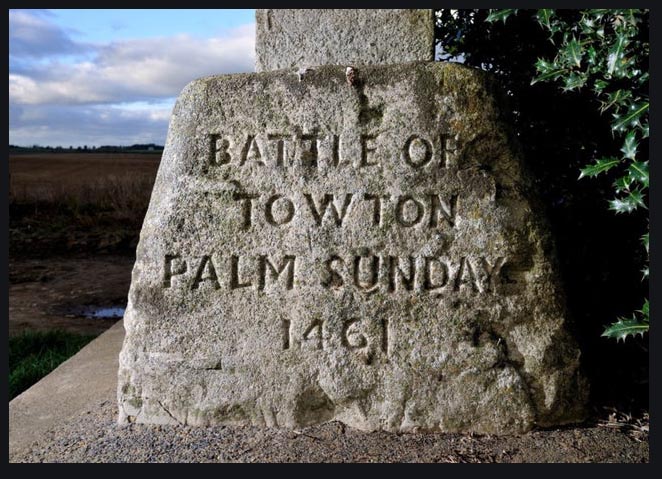
Long Live King Edward IV
Long Live the NHS
 jimsoccasionalblog