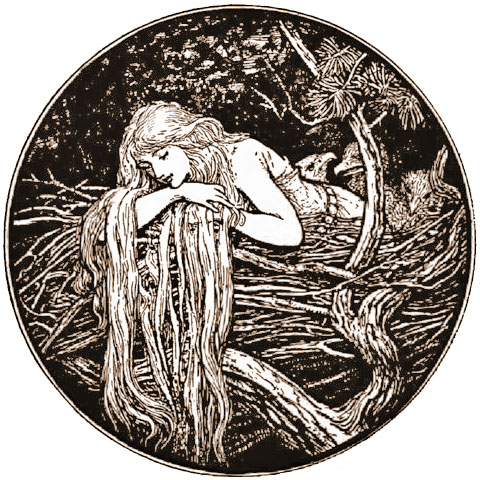
The saying goes: ‘Drink Hemlock on a Saturday, and you will die on Monday. Sunday will be the worst day of your life..’
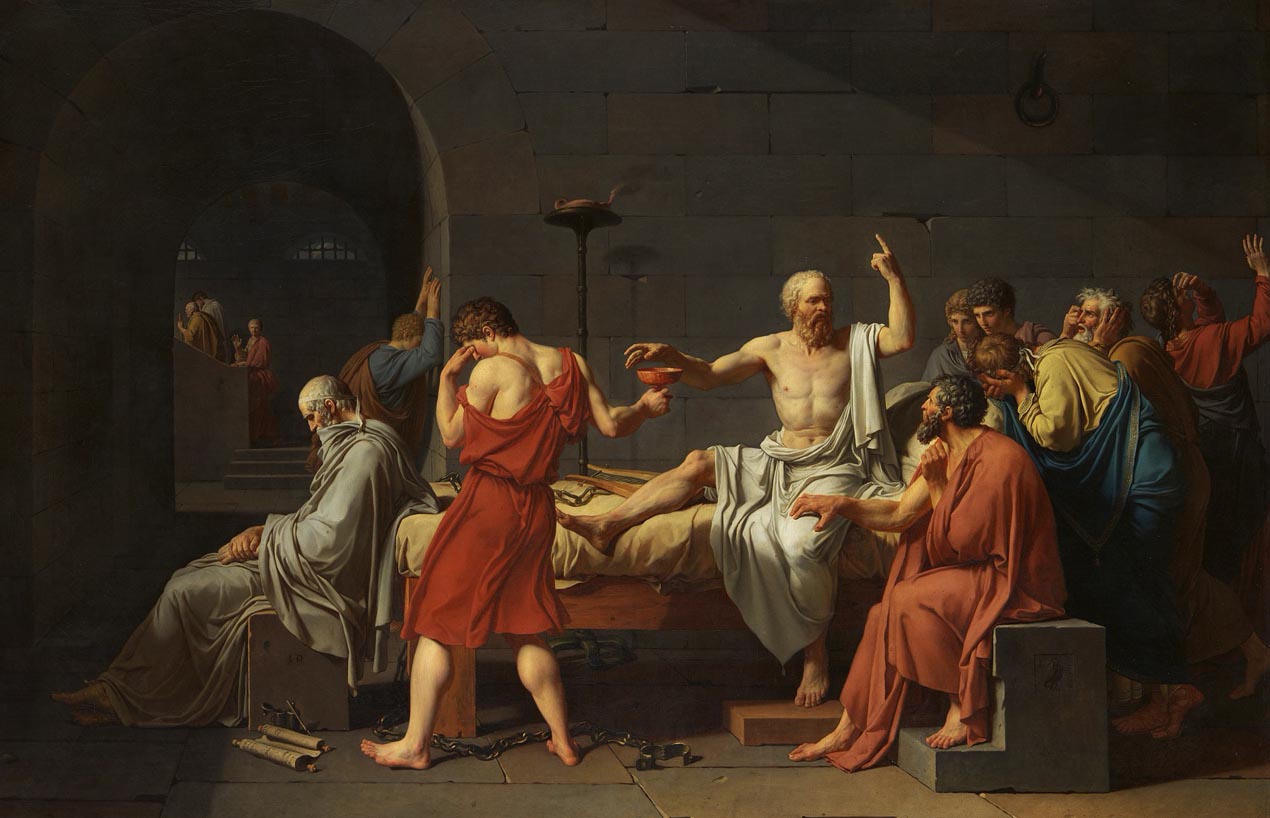
That was in 300BC
Plants and folklore, plants and medicine, plants and superstition. I realise looking around the garden, nearby meadows, fields and hedgerows that it is just this. Almost all of what is in the modern garden has been hybridised from the wild. In many cases over hundreds of years.
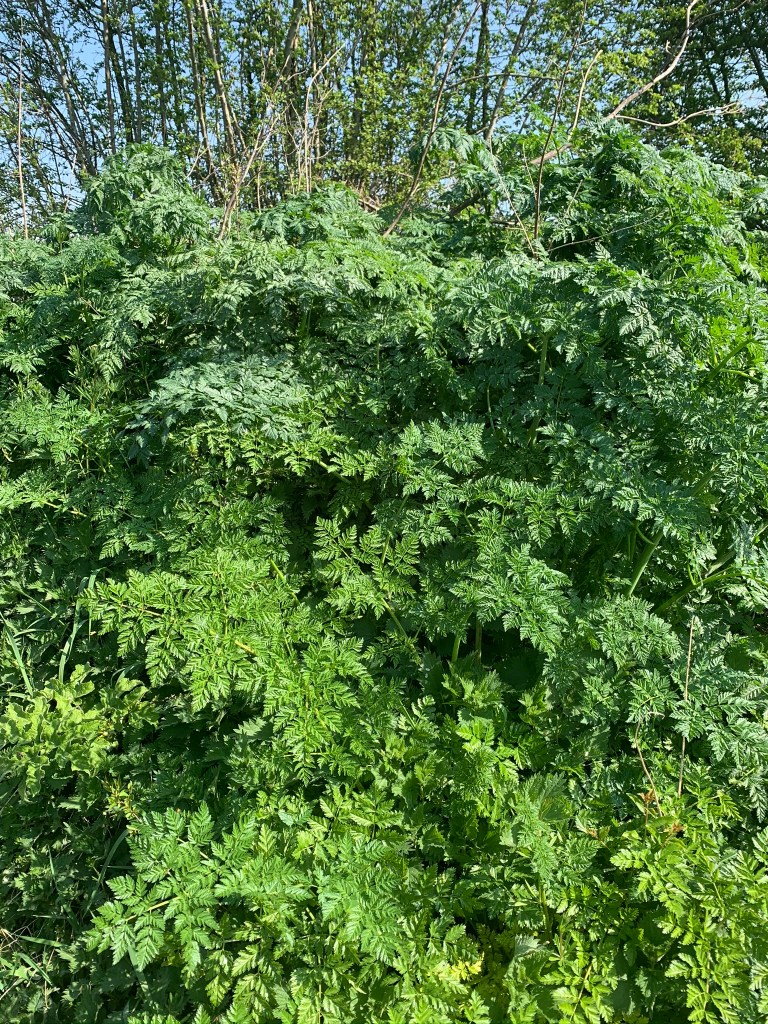
Hemlock grows unchecked in our hedgerows, and whilst our strain may not be as potent as those used by the Greek executioners, it does carry a serious health warning.
Following Coronavirus around the world hasn’t lost its importance, but it has got a bit boring. After several weeks of more than average seasonal weather, I have frequently turned my thoughts to the garden and nearby highways and bi-ways. The ‘flora’, as we were taught at school. And there’s always more to it than you think. All the plants below come from my garden [almost] and the HEMLOCK is in the field over the hedge.
This is literally a ramble from boundary fence to boundary fence and the spending of some thought on what lies in between. I’ve looked at [my] plants great and small – many of which have been commented on in history, folklore, mythology and of course superstition. Plants that are modern-day weeds; specimens normally overlooked, and of course others that remain popular favourites.
‘But, good my brother,
Do not, as some ungracious pastors do,
Show me the steep and thorny way to Heaven
Whiles, like a puffed and reckless libertine,
Himself the primrose path of dalliance treads‘

Above: A Coronavirus-driven time-on-our-hands mock-up of the famous scene. Our friend Georgia O’Brien is bath-ridden as Ophelia in an imitation of Edward Millais’ rendition of her flower-strewn drowning in Shakespeare’s ‘Hamlet’.
Opelia was swaddled in blossom – Could Shakespeare have selected his flowers from my garden…?

Speedwell – Latin: Veronica as in the girl’s name.
‘… also known as birds-eye or angels-eye. It is a flower associated with vision, with magical ointments allowing mortals to see faeries, and with healing afflictions of the eyes — whether medical or caused by witchcraft.’
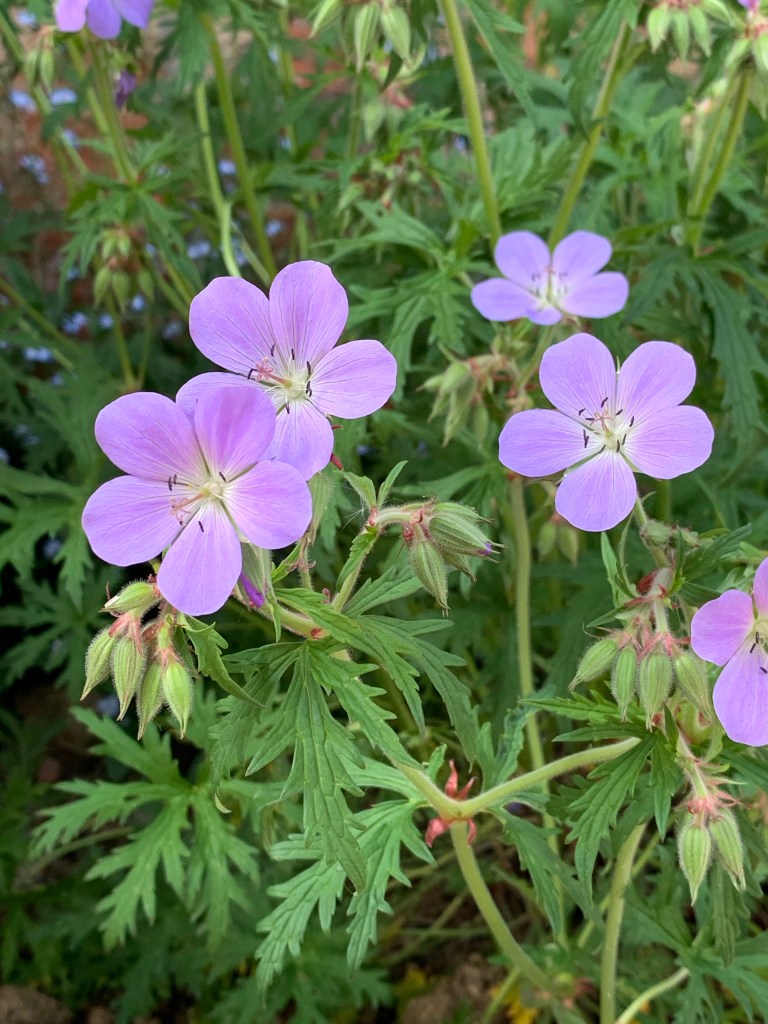
Wood Cranesbill. Hedgerow Geranium
‘Wood Cranesbill was used to get rid of ghosts and demons – spells and superstitions: If you want someone to fall in love with you, make tea from wood cranesbill and serve it to the one you desire’.

Simon & Garfunkle immortalised this Yorkshire town and the story it evoked – but their song was an adaptation of a 16th Century folk ditty that would have meant much to the people of the time. Parsley was comfort, sage was strength, rosemary was love, and thyme was courage.


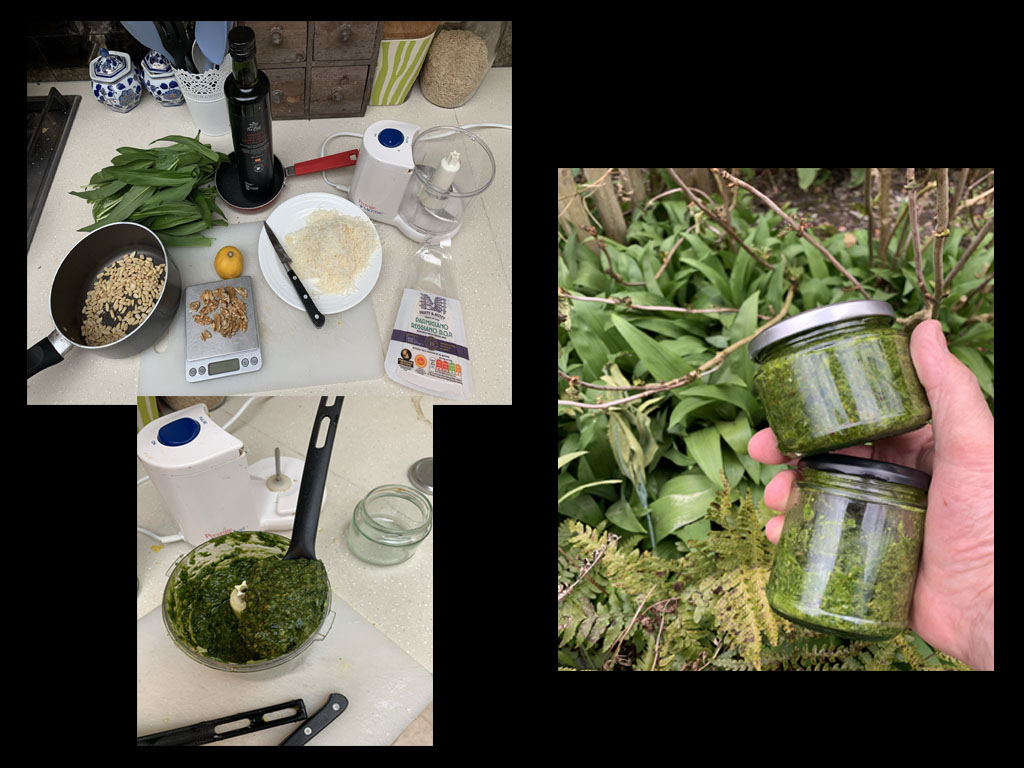
Wild garlic seems to grow everywhere it should. Often you first notice it because of the smell underfoot as you crush its leaves. I read the above recipe and concluded that it’s a ‘cranks’ way of saying they’re in touch with nature. I then made some – delicious…
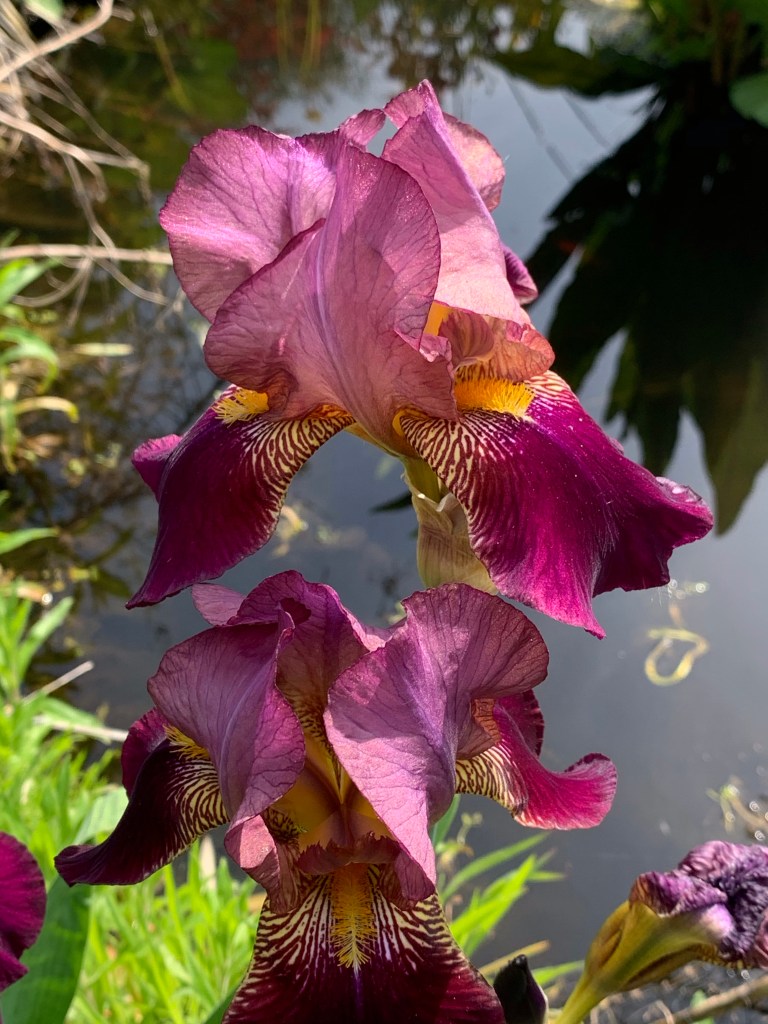
Below: Iris in full bloom.


Iris. Another female name [albeit old fashioned]. In Greek mythology: ‘Iris is the sacred flower of the goddess of the rainbow, Iris, who would take messages of love from the “eye of heaven” to earth, using the rainbow as a bridge.’
Shakespeare names almost 200 plant species in his collection of 37 plays. Most of these would have been native to the hedgerows of his boyhood world in and around the forest of Arden in Warwickshire. Though he does mention some ‘exotics’, it’s evident that even in the late 16th Century trade meant that some of these species must have been coming to our shores. Funnily he mentions rhubarb – a true Yorkshire passion today, but remember 420 years ago there was no sugar…

“There’s rosemary, that’s for remembrance; pray, love, remember; and there is pansies, that’s for thoughts…
There’s fennel for you, and columbines; there’s rue for you, and here’s some for me; we may call it herb of grace o’ Sundays. O, you must wear your rue with a difference. There’s a daisy. I would give you some violets, but they wither’d all when my father died.‘
Hamlet
Below: Columbine [Latin: Columba – Dove], or generically ‘Aquilegia’ meaning ‘Eagle’.
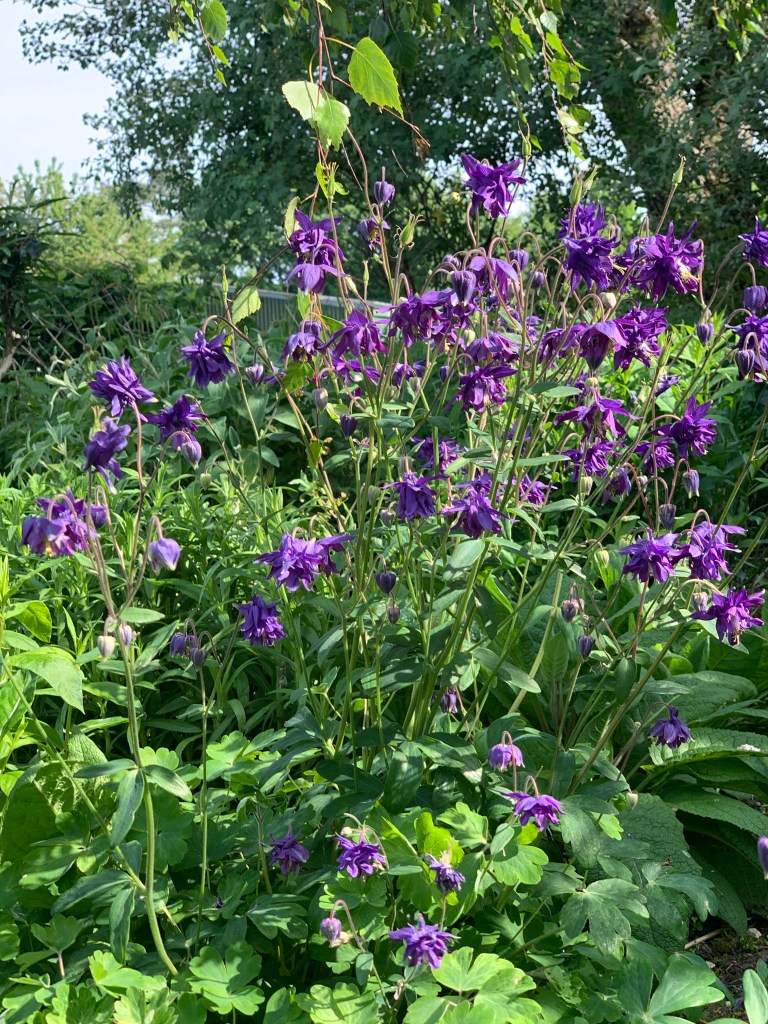
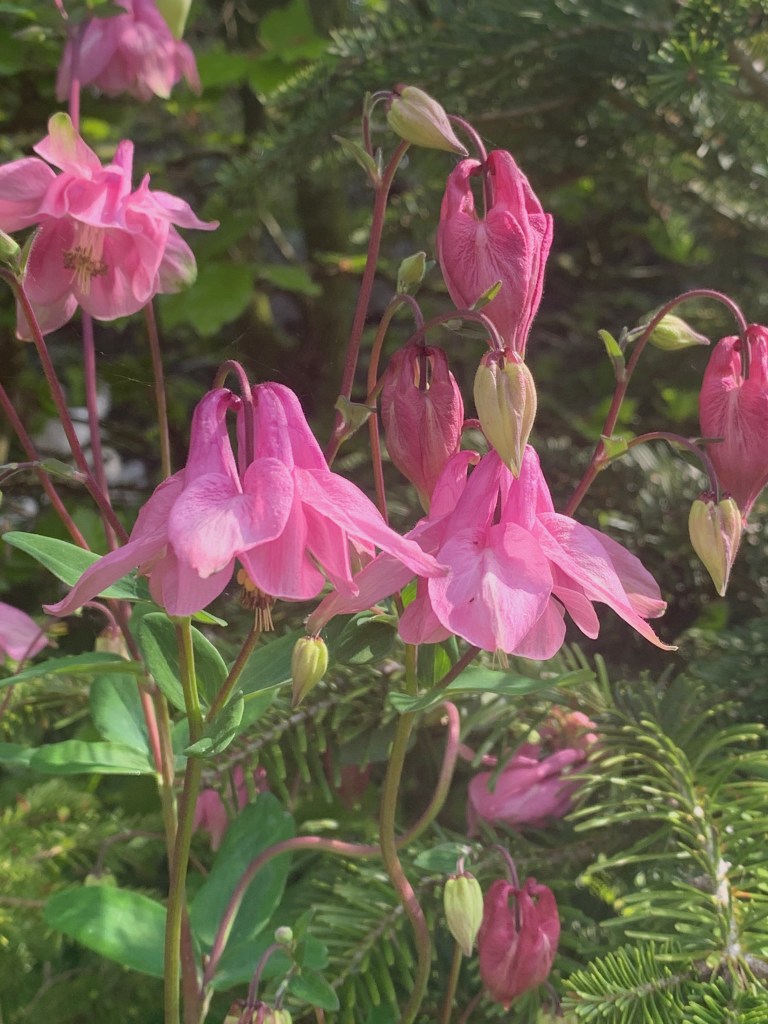
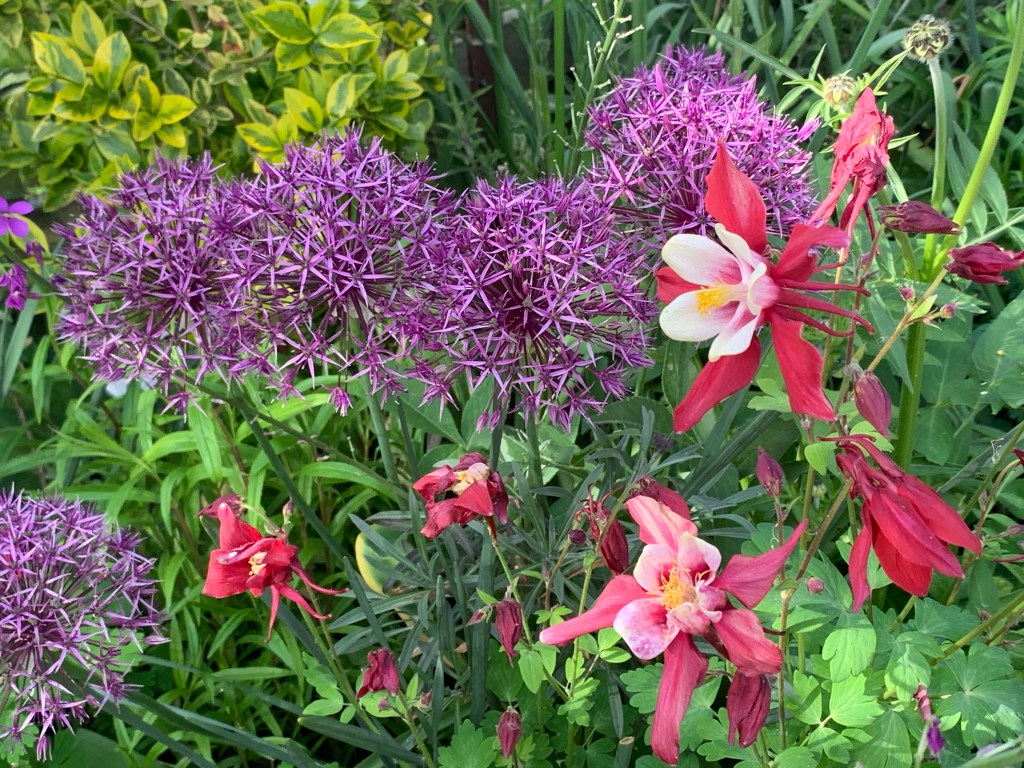
In Victorian times the Columbine flower was a symbol of ‘winning’ and so by giving this flower it meant you were determined to win something or someone. In ancient Greece, Columbine flowers were linked to the goddess of love, Aphrodite. In fact the folkloric descriptions of the common columbine just go on and on – it seems every country under the sun has a precious tradition relating to these spiked flowers.
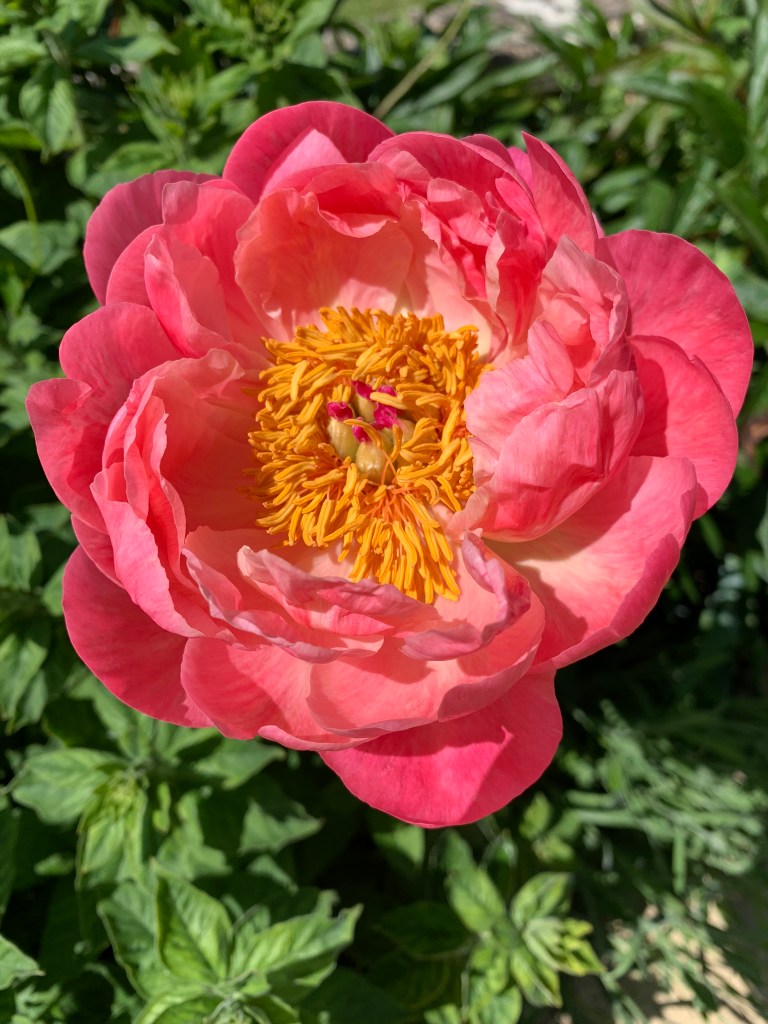
Peony
Common peony meanings include romance, prosperity, good fortune, a happy marriage, riches, honour, and compassion — but peonies can also mean bashfulness. There are many common myths about the peony. Was the peony named after Paeon, the Greek physician of the gods?
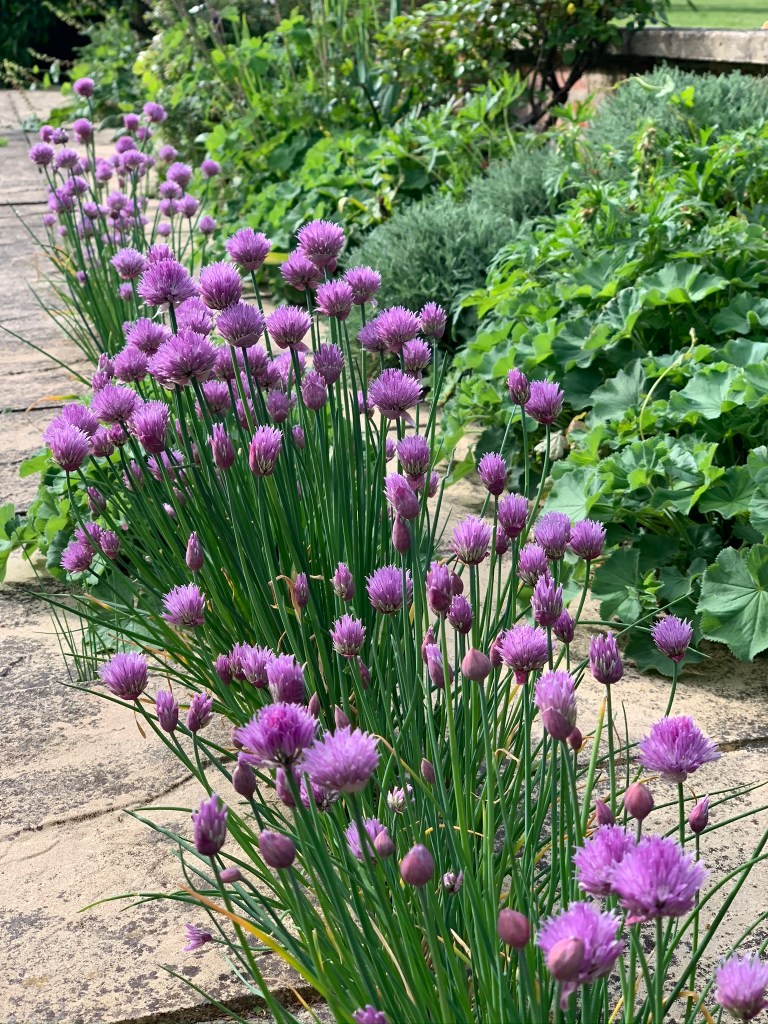
Chives – an Allium
‘The gypsies of ancient times used chives in fortune telling. It was believed that you should hang bunches of dried chives around your house to ward off disease. Ancient Romans believed chives could relieve the pain from sunburn or a sore throat.’
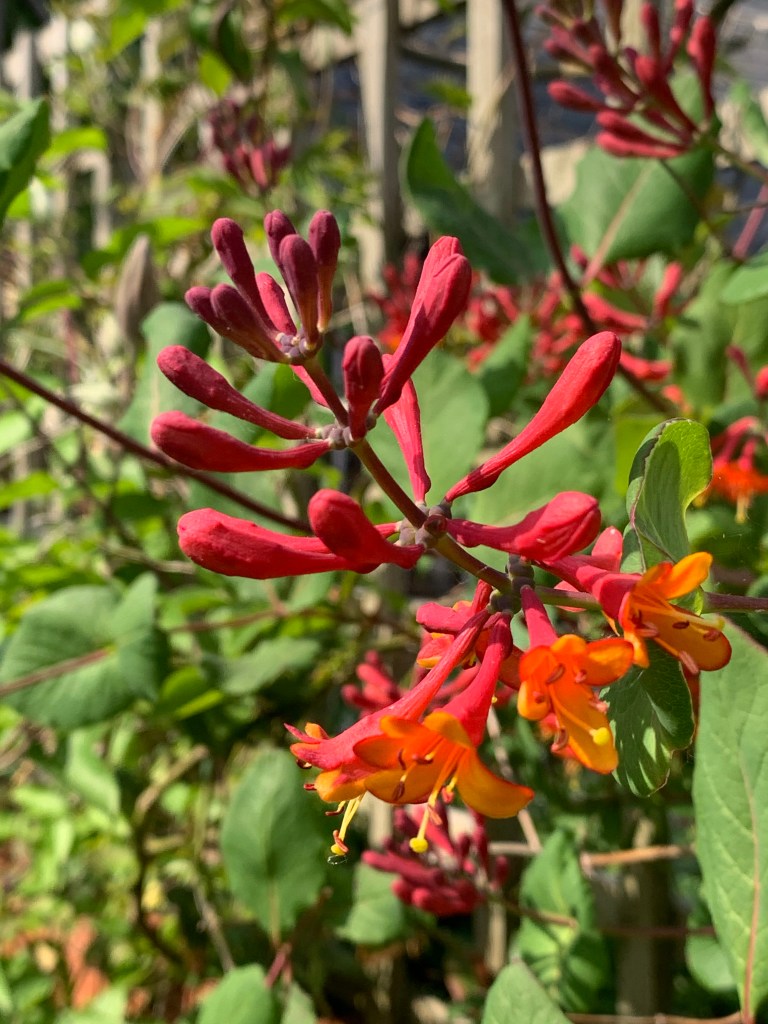
Honeysuckle or Woodbine
‘The name honeysuckle comes from the tradition of children biting off the ends of the flowers to enjoy the drops of nectar inside‘
Shakespeare knew about Woodbine [Midsummer Night’s Dream], and its mythical qualities – entwining lovers, clear-headedness, cure for coughs, psychic powers etc., but he would have never seen this variety. A modern hybrid.
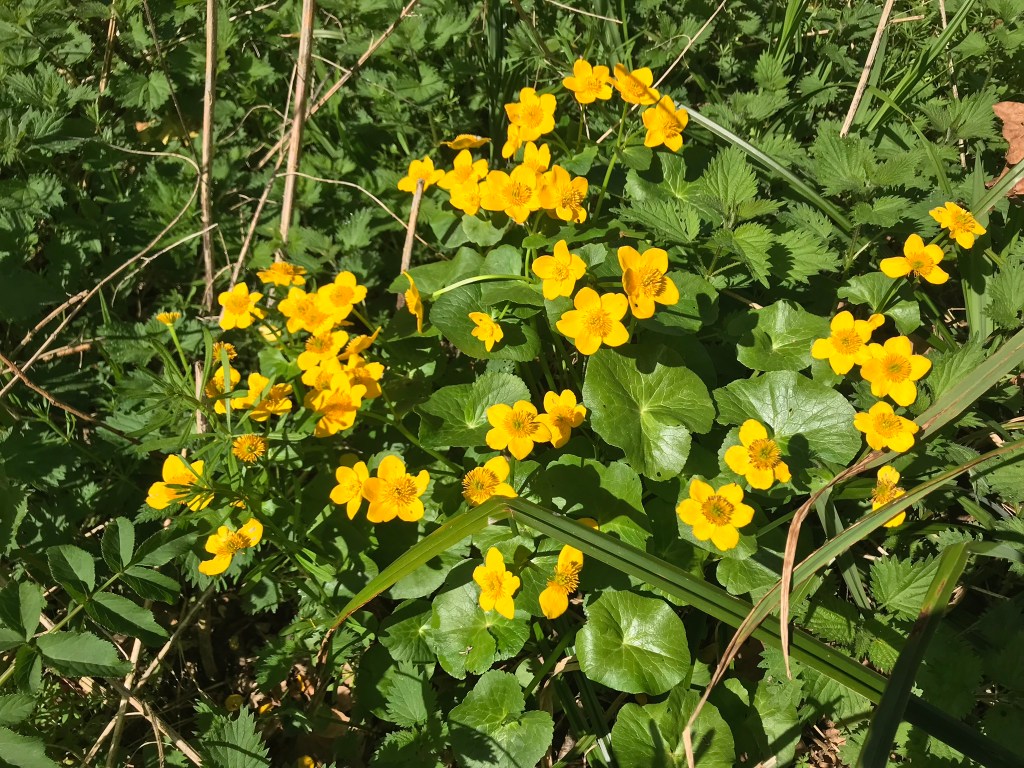
Marsh Marigold – King Cups [or Beltane]
This stout wildflower could be one of UK’s most ancient plants. It’s said it was growing here before the last Ice Age. In ancient Britain it was used to ward off evil spirits. Yes another ‘Evil Spirit Warder’. There suddenly seem so many warders in my garden.
The Red Bull of its time

‘It’s unlikely that people drunk small beer for its low alcohol content, nor for the oft-cited claim that the brewing process killed bugs in polluted water. They didn’t know that bacteria and microbes existed. If the water smelt bad, people simply wouldn’t drink it. People didn’t drink small beer to stay healthy — they drank small beer to give them energy.’
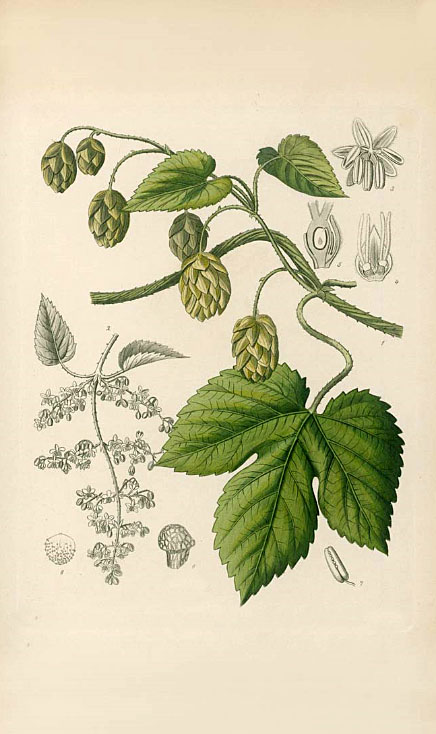
Humulus – The Hops plant
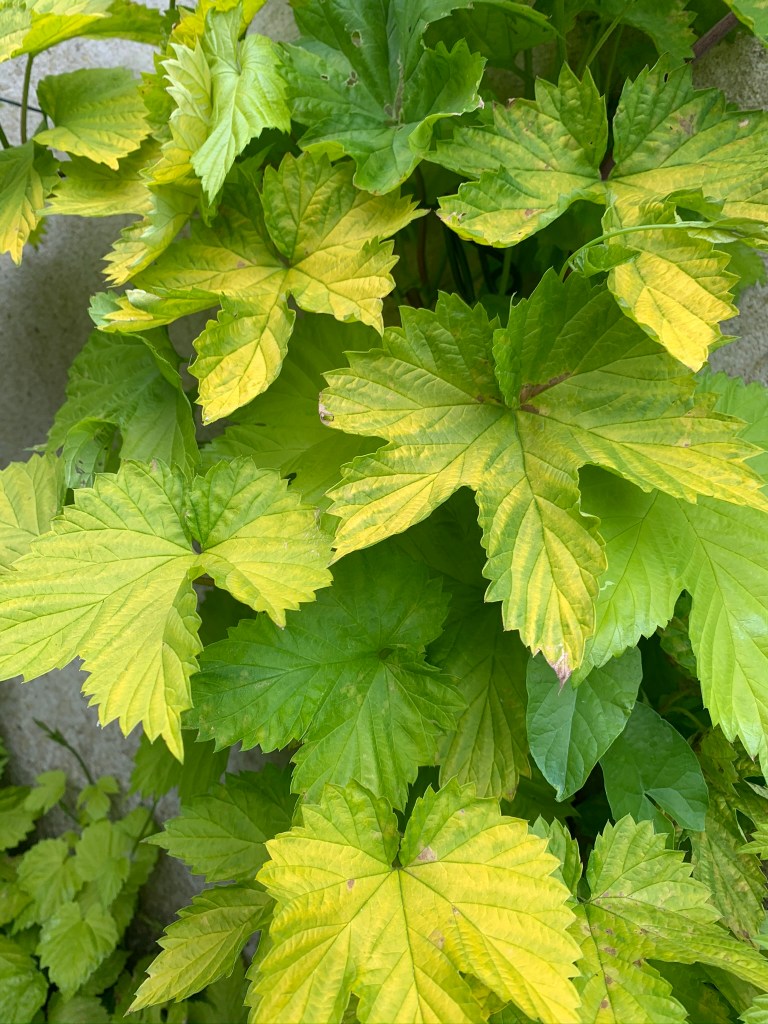
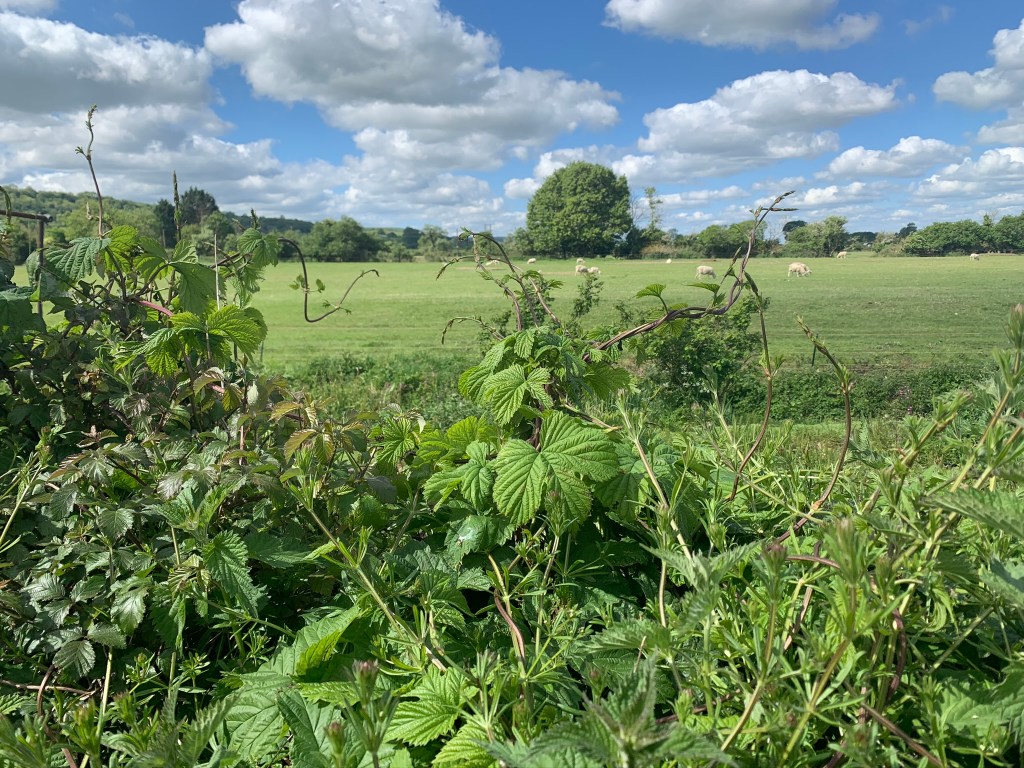
A place with wild hops in the hedges, and golden hops on the walls would once have maybe used these in beer making? Everything else that grew had a use…

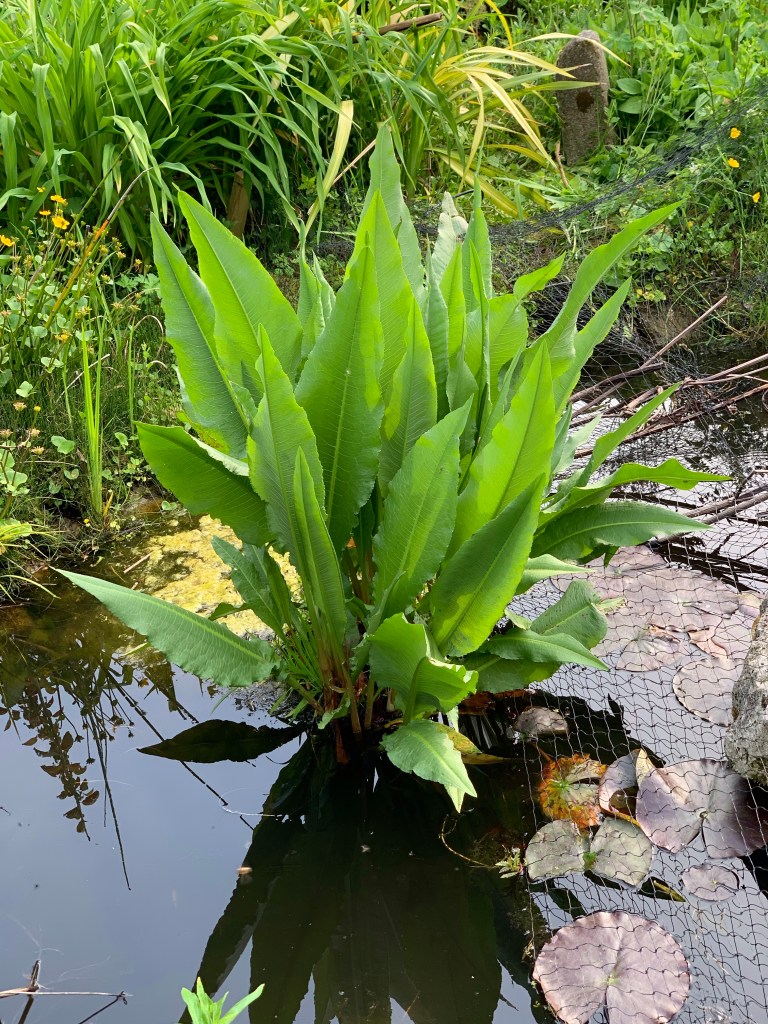
Water Dock
‘Arsesmart’, ‘Smartweed’, ‘Butter Leaf’; according to modern witches that devote their time to studying these things, there’s nothing this plant can’t do. We know it as a nettle-sting cure, but in days gone by it has been used for ailments from cholic through to curing a horse of saddle rash.
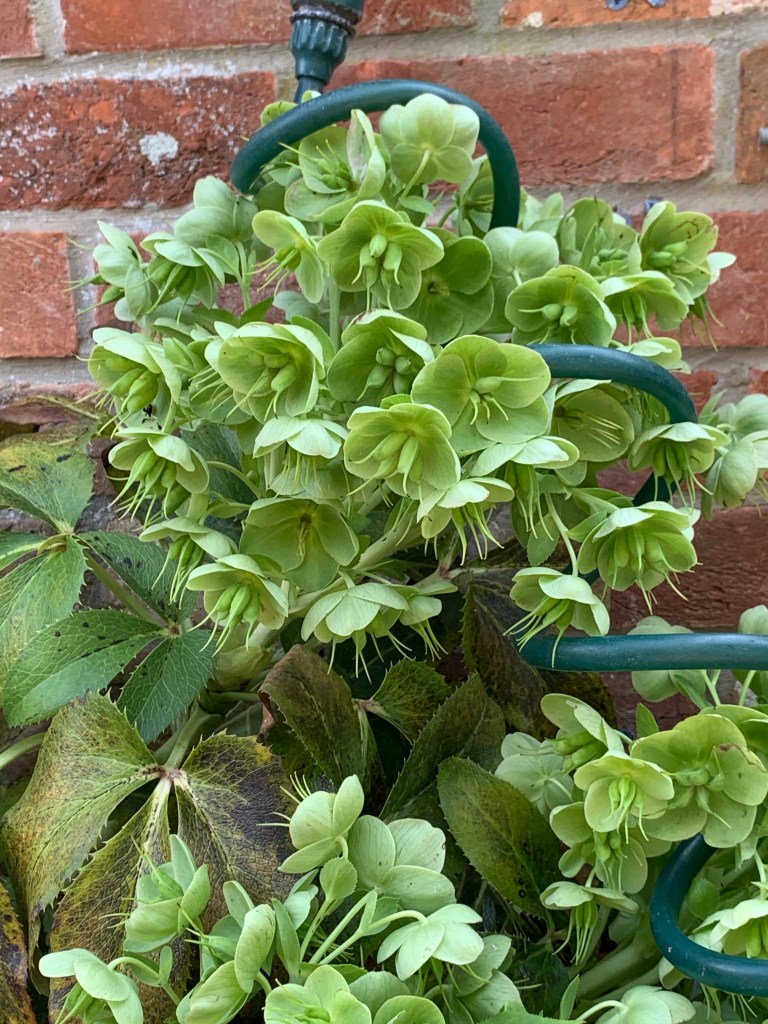
The Lenten Flower
The Winter Hellebore flowers right the way through winter and well into spring. Legend says that it sprung up from the tears of a young girl, who saw the Child Christ, but had no gift to give him. She cried and her tears blossomed into these flowers.
The Greek meaning – ‘to injure’ and ‘food’ suggests it’s toxic. An old story has it that Alexander The Great died from underestimating its medicinal powers. Stuck here by the garden hose, does it look that dangerous?
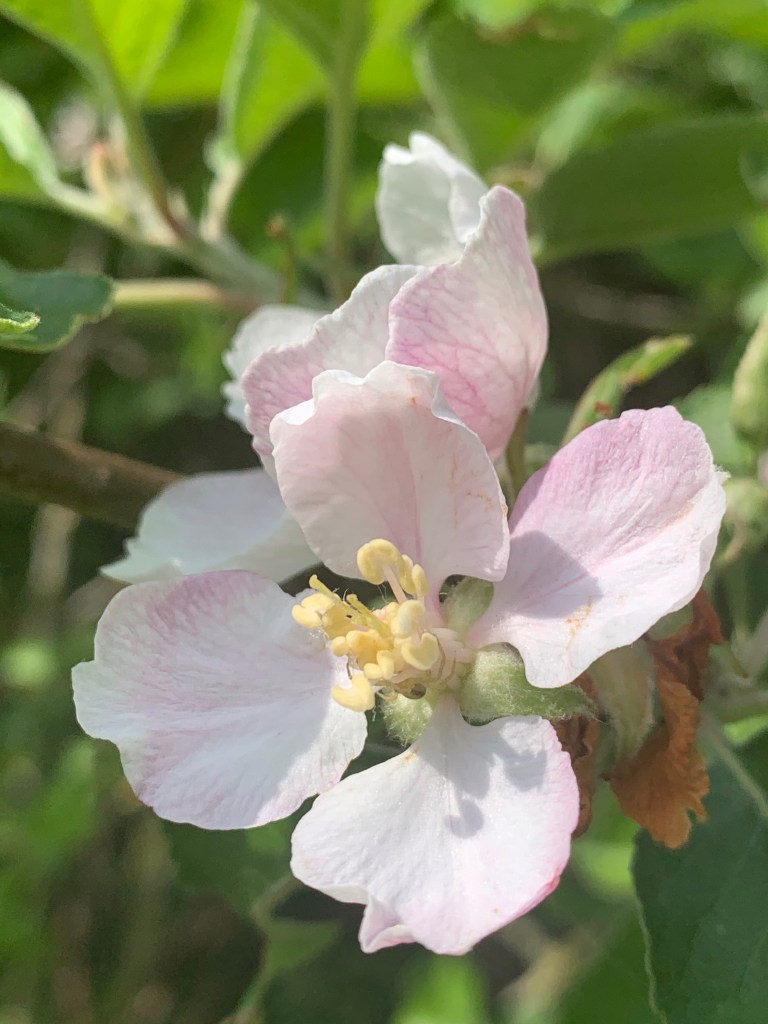
Malus Domestica. Apple to you and me…
Was it found in Eden, did Troy fall to its charms, why did Magritte paint it? Who created the first Cider? Now so hybridised that its origins are almost forgotten – somewhere along the way someone managed to domesticate it, increase its size, sweeten it and by ‘grafting’ make it resistant to the rigours of growing in soils all over the world.

The First Rose – Primrose
‘The Primrose flower is traditionally one of the first signs of spring. In folklore, it’s known to be a conduit to the world of the faerie, and also the otherworld, as a symbol for young life cut short’.
Primroses are common in woodlands and shady areas. To flower they choose their time carefully – blooming before any of the tree canopy is thick enough to deny them light, but late enough in the spring season to benefit from the first pollinators. By June they’re gone – dried up and back in the ground. Clever like bluebells? Today most gardens and parks get their relative to do the ground cover job. Polyanthus being the colourful ‘sports’ that over time have morphed into colours hardly seen in English woodlands.

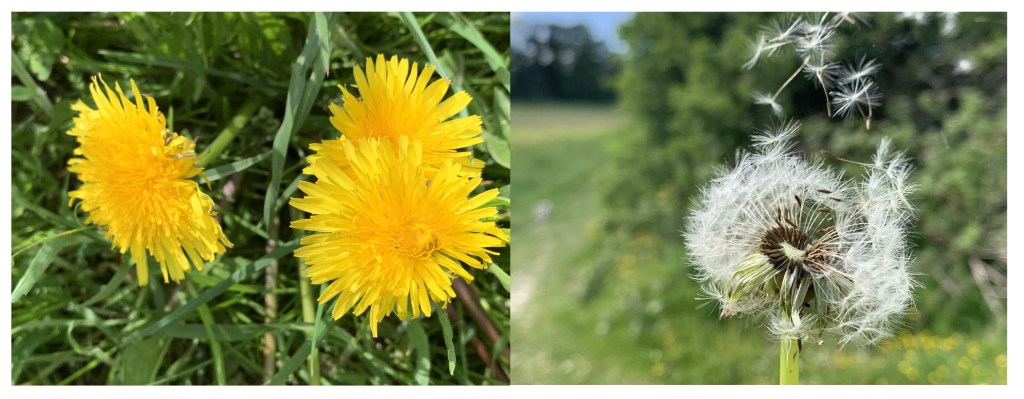
Luck, Colour, Hope, Summer. Wistfulness in a dream. Good sap, Weather forecaster, Predicter of how long you might live. A child’s clock. Rabbit food.

The good old dandelion has been around as long as we have, and in the past was seen as a colourful addition – a flower for garlands and decorations of ceremonial importance. Now it and its fluffy seeds cause palpitations in keen gardeners. Lawns get dibbed and patios sprayed when these flat-leaved juicies poke their heads above ground.
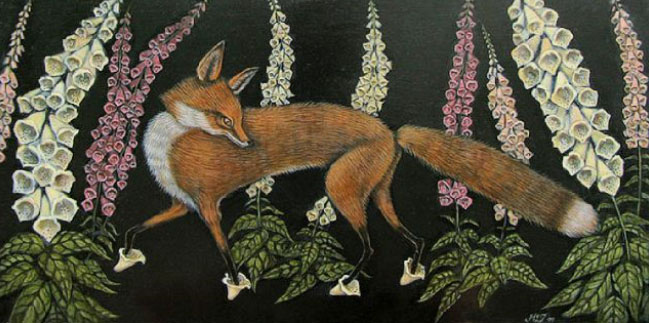
Foxgloves
- Put them in children’s shoes to prevent scarlet fever.
- Don’t bring into the house thereby denying the Devil access.
- Watch for them moving on a still day.
- Don’t pick them for fear of upsetting the fairies.
- Pass one over your body to aid conception.
- and of course look out for foxes wearing them…
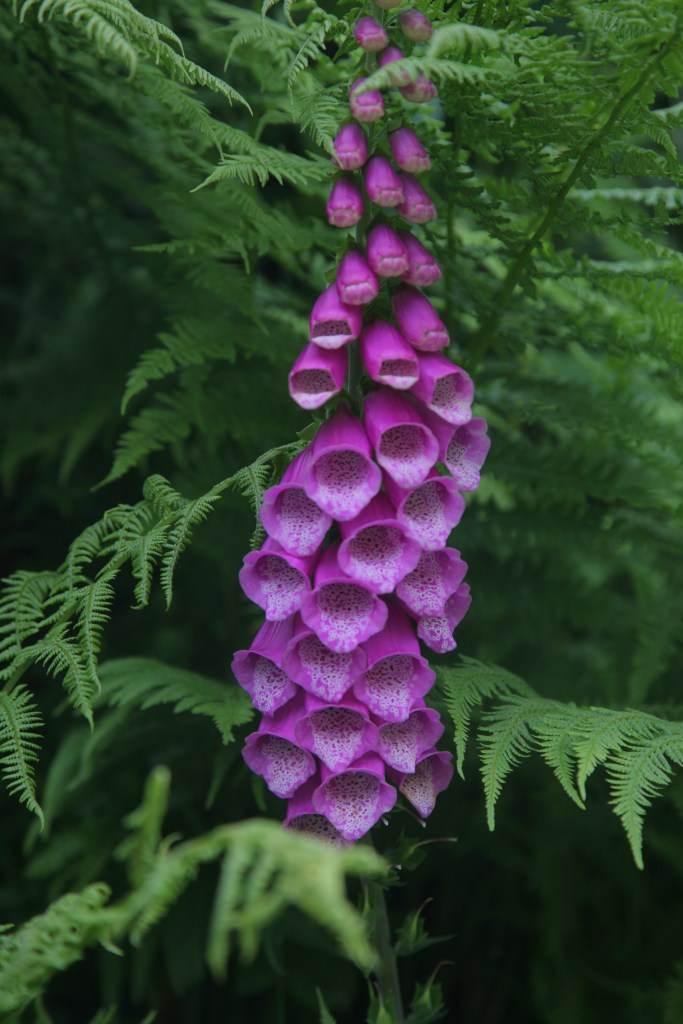
‘Digitalis is used to treat congestive heart failure (CHF) and heart rhythm problems (atrial arrhythmias). Digitalis can increase blood flow throughout your body and reduce swelling in your hands and ankles’. Digitalis is and has been used to treat loads of things for as far back as history cares to record.
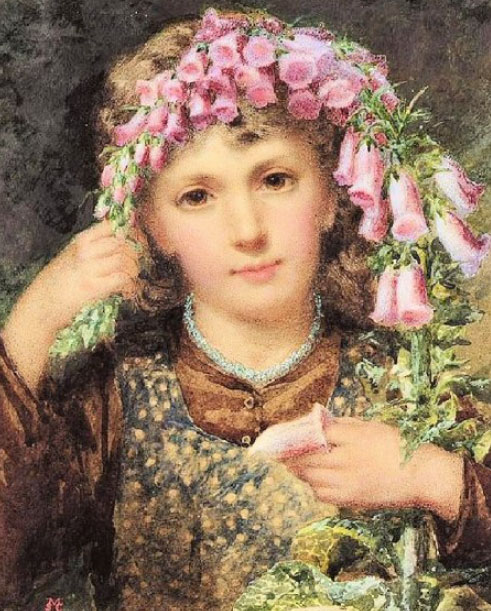
‘O time, thou must untangle this, not I’
[Viola talking to herself in Shakespeare’s Twelfth Night]
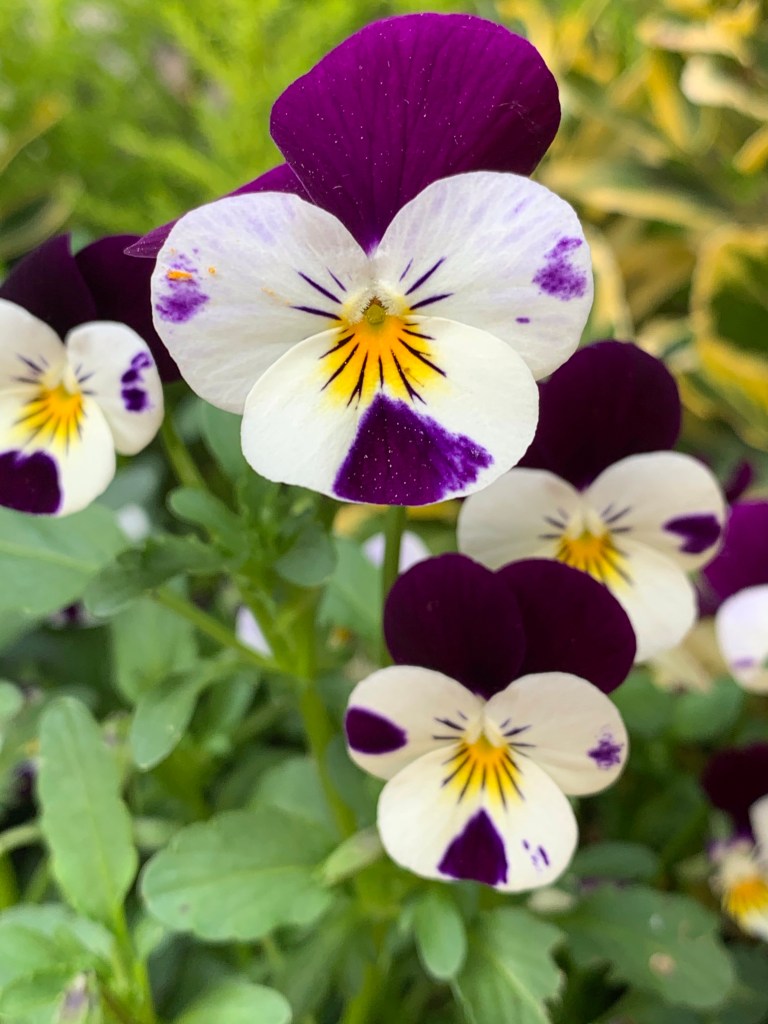
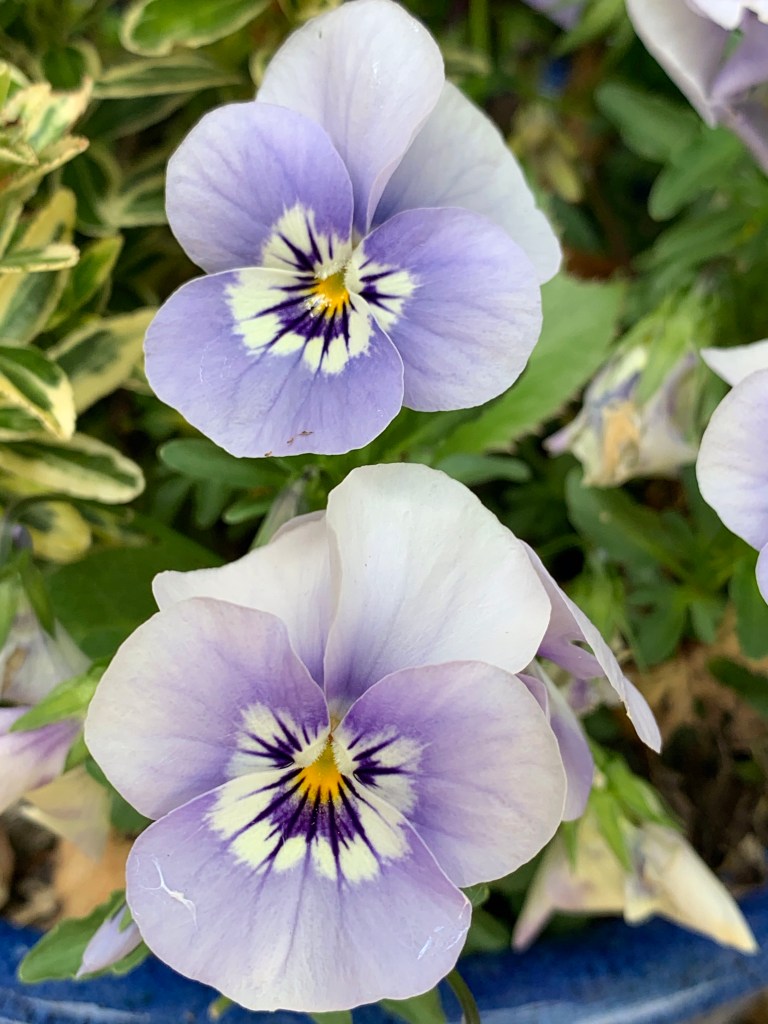
Above: Violas or Heartsease – To ‘Give Peace of Mind’
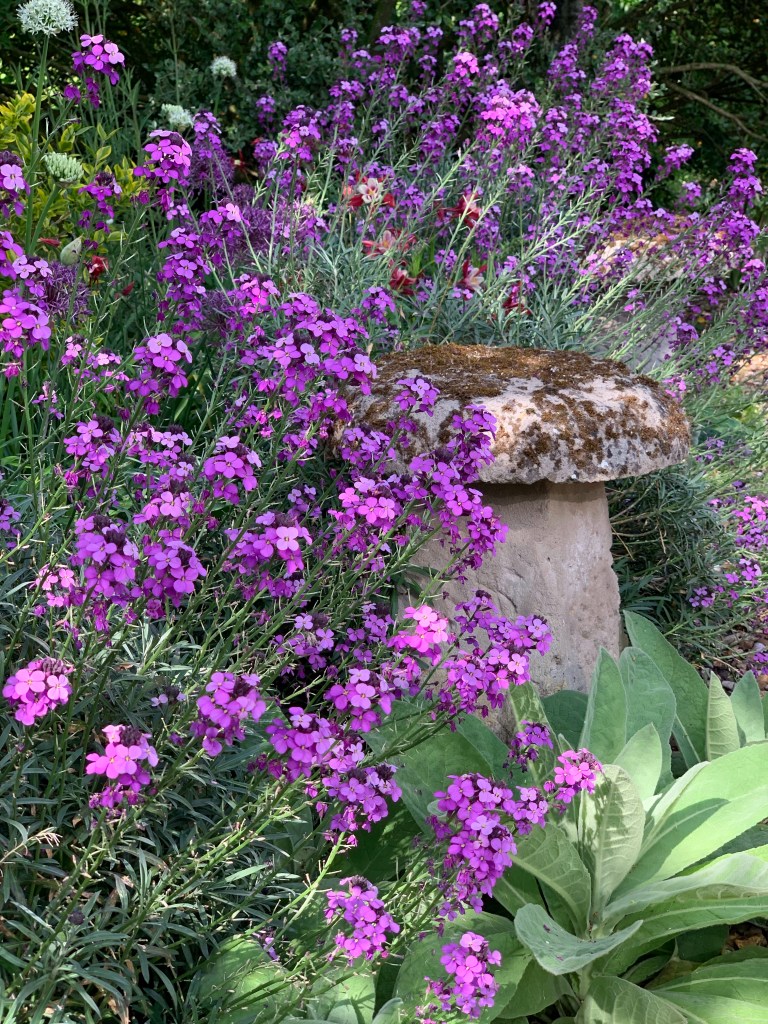
Every year I do dozens of cuttings of the above. A wallflower from the cabbage family, which apparently displays ‘an exceptional defence quality against specialist insect herbivores…’ It contains Cardiac glycosides [!] as if you didn’t know; but that alone isn’t enough to project this plant high on the remarkability scale for myth and mystery. It does get a rosette for its year-round performance, hardiness and ease of propogation. You can’t have enough of these.
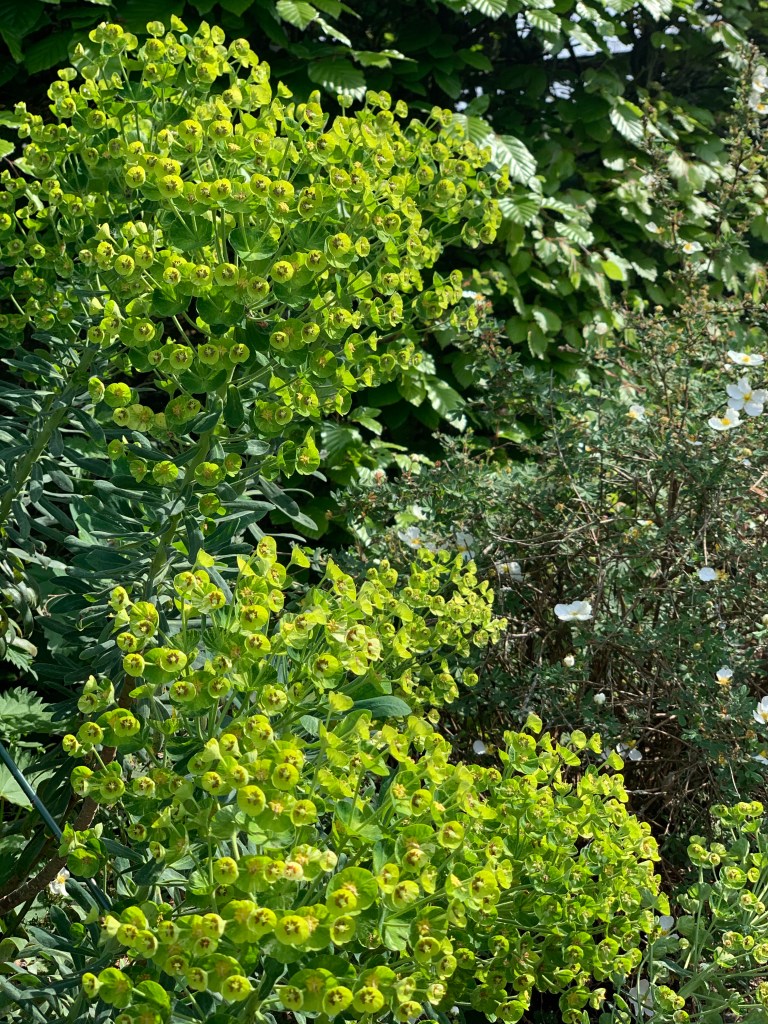
Euphorbia
Common name spurge, this is found self-seeded all over the garden. To the unwary gardener it can cause incredibly painful skin irritation if its sticky sap gets onto the skin or worse still rubbed in to the eyes.
Medicinally its has been used for the cure of warts and boils.
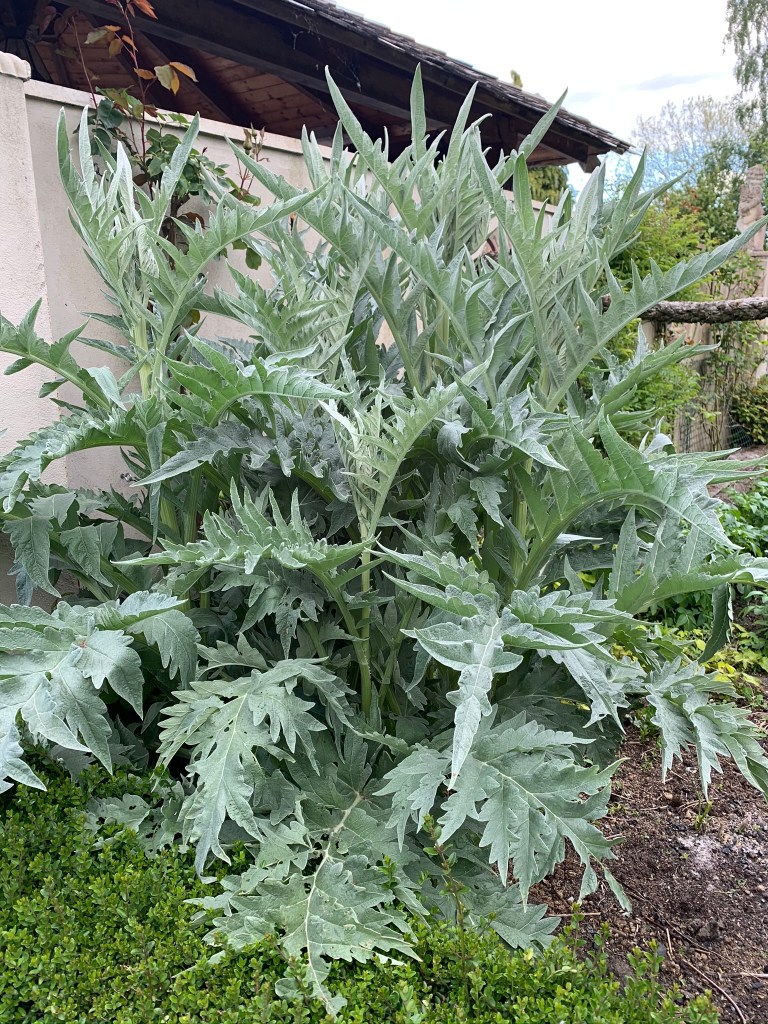
Giant Cardoon
Once eaten by the Victorians in Britain, and still cooked in France, this artichoke relative is grown in my garden for its foliage and scale. On the ‘net there’s an unattractive recipe for getting a smidgeon of goodness out of its inner stalks [you can always fall back on supermarket celery these days] and apparently in Spain parts of it are used to create vegetable rennet. I never knew that…
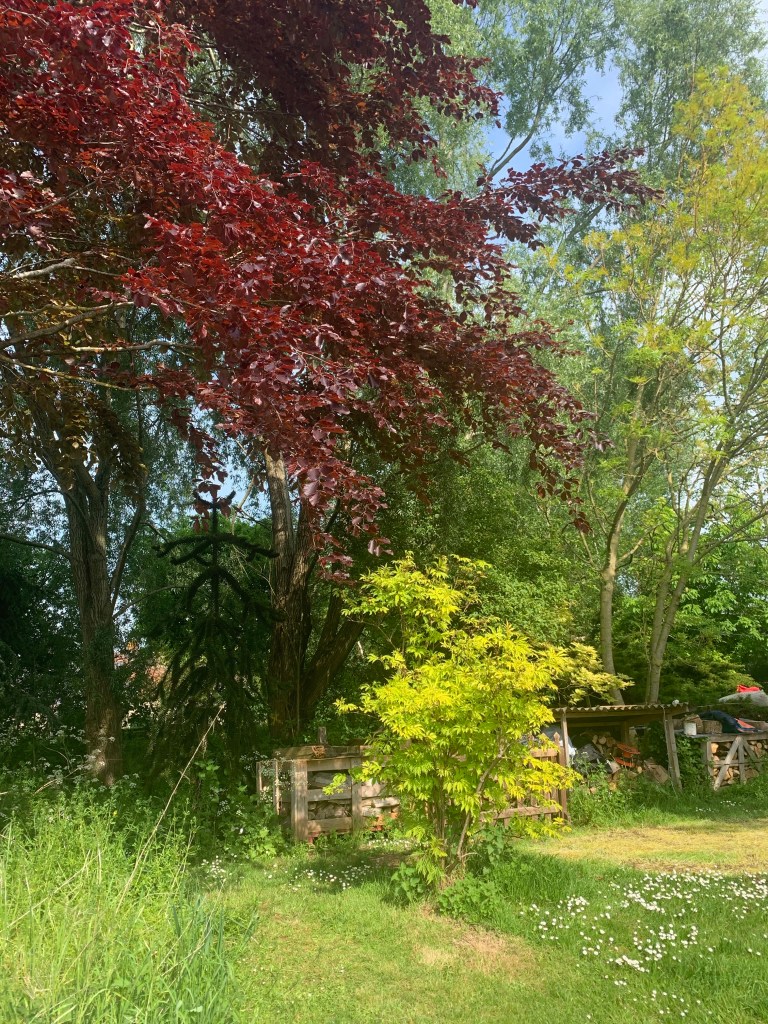
Chlorophyll is green
It doesn’t have to be green apparently, hence the profusion of alternatively coloured foliage. Here copper beech, purple hazel and some acers.
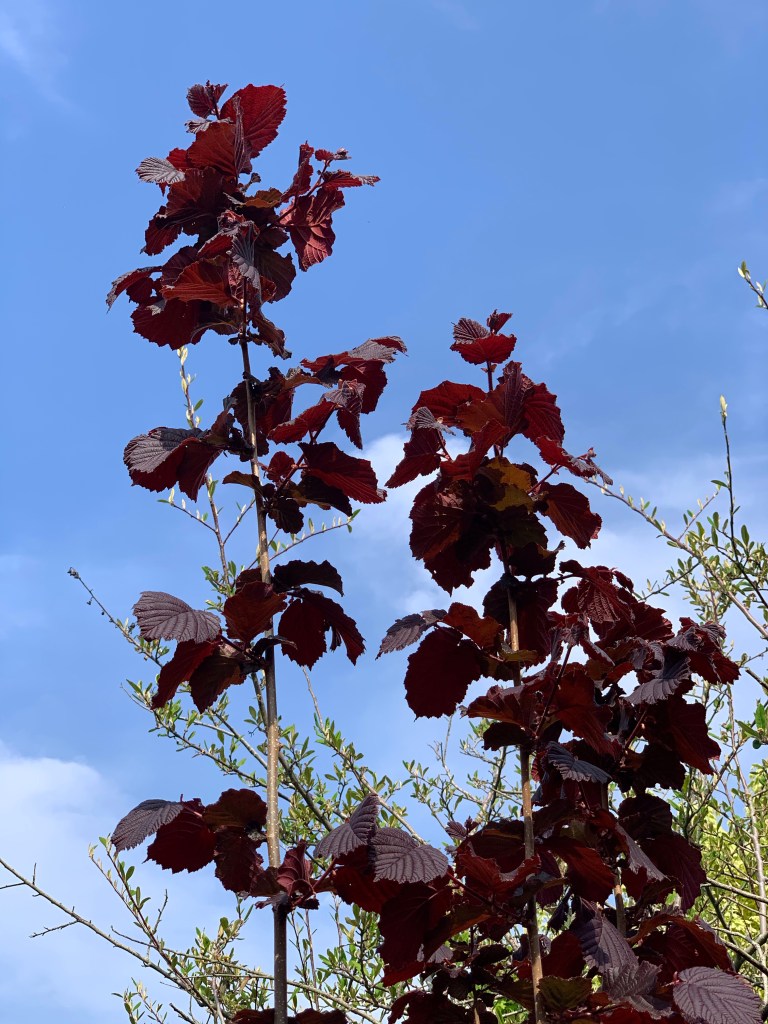
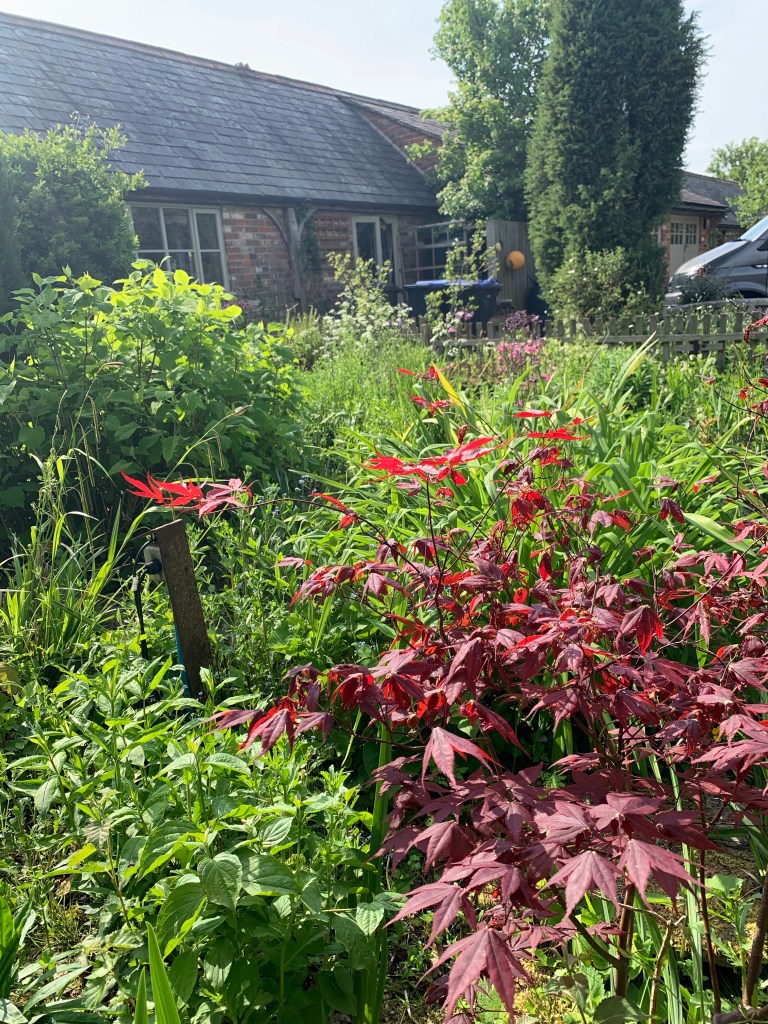
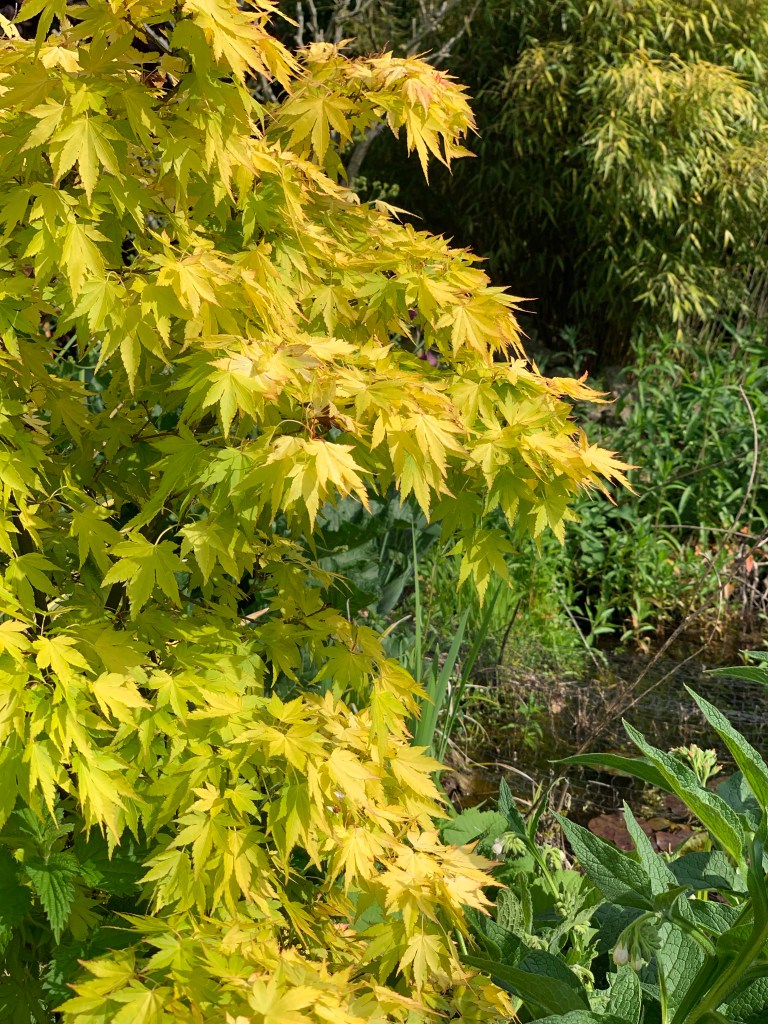
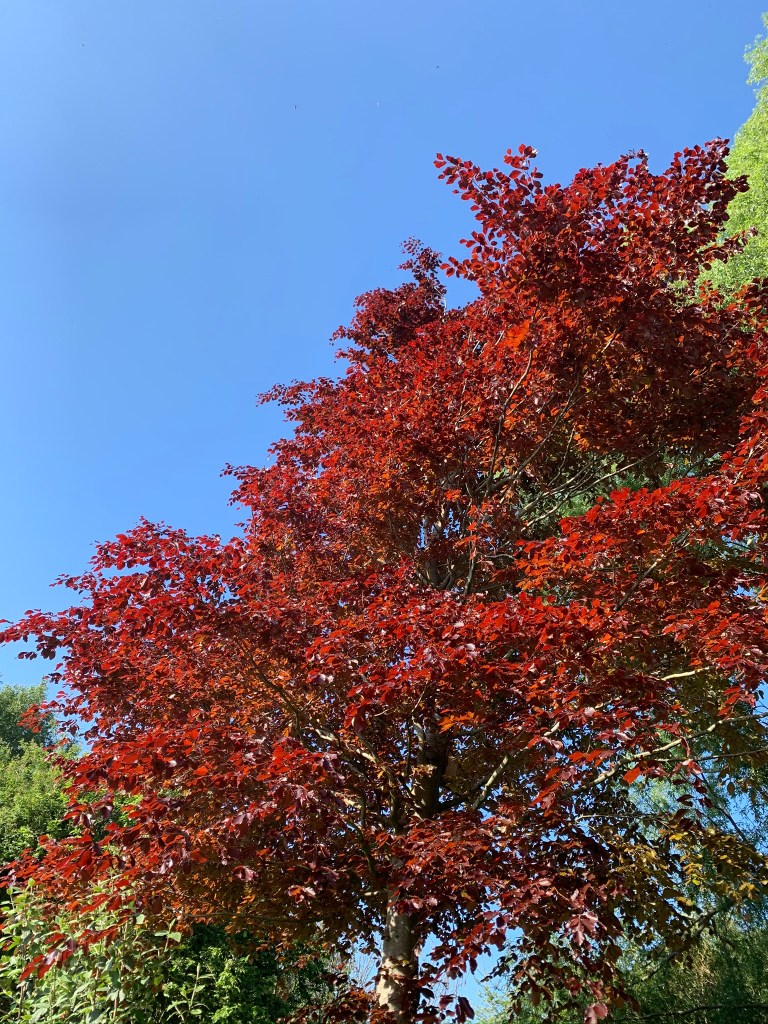
Remember…
- Holly protects against lightening
- Buttercups tell you whether you like butter
- Fennel seeds were eaten by Roman gladiators
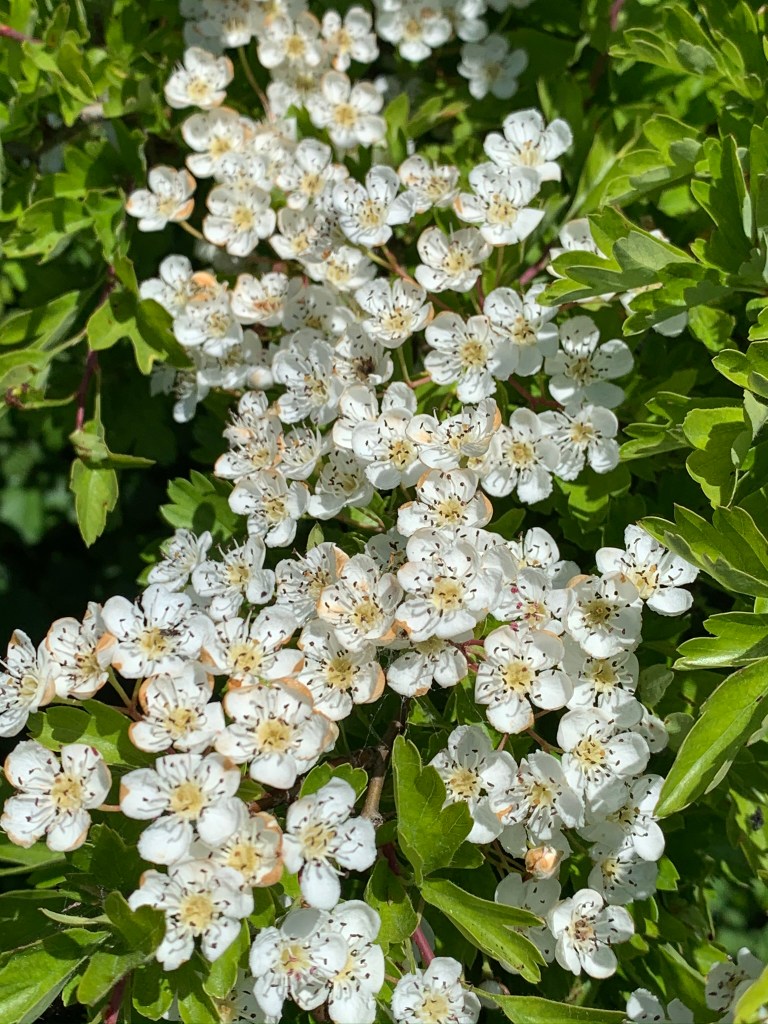
- Hawthorn produces one of English literature’s most famous couplets
‘Shall I compare thee to a summer’s day?
Thou art more lovely and more temperate:
Rough winds do shake the darling buds of May,
And summer’s lease hath all too short a date’.
William Shakespeare, Sonnet 18 [c. 1609]
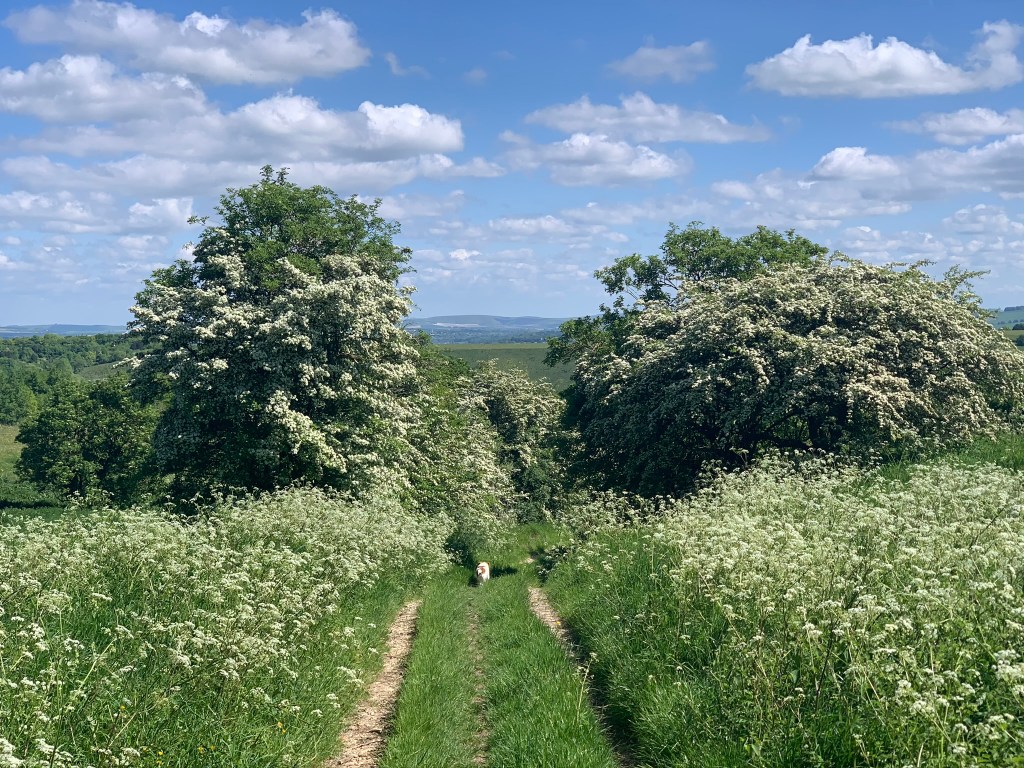
Wiki tells me that experts on Shakespeare’s verse conclude that this sonnet was inspired by his experience of the springtime countryside – and walking the hedgerows full of May blossom [hawthorn]. Before the First Folio was produced [8 years or so after his death], its widely agreed upon that the Shakespearean troupe travelled the country reciting lines from their plays, and adapting them by way of constant rehearsal. Remarkably its believed that not one word of his play work was formally written down until after his death. The sonnets, which were composed later in his lifetime, do appear in print as they were ‘published’ to an audience of readers and not theatre-goers.
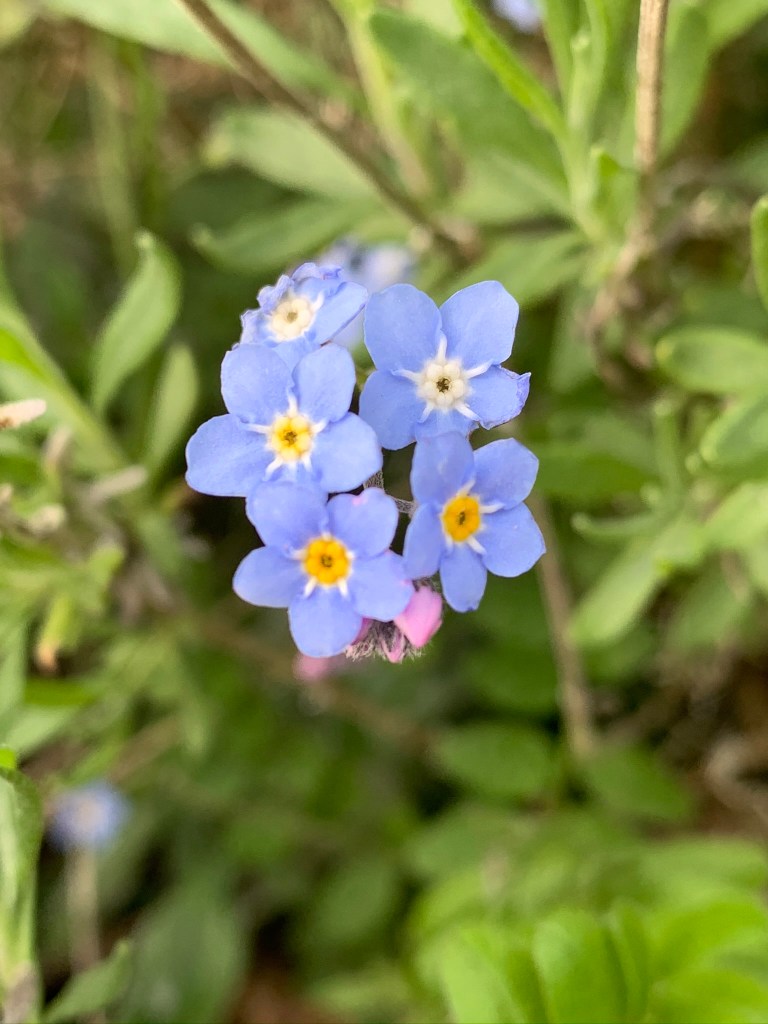
‘Forget me not
You’ll always be
Within my lonely heart,
Each day that goes
Will seem a year
When we shall be apart.’
The most used drug of all time?
‘Willow bark comes from the willow tree of the Salix species. The bark contains salicin, a compound similar to aspirin. Salicin is metabolized in the body to create salicylic acid, a precursor to aspirin.’
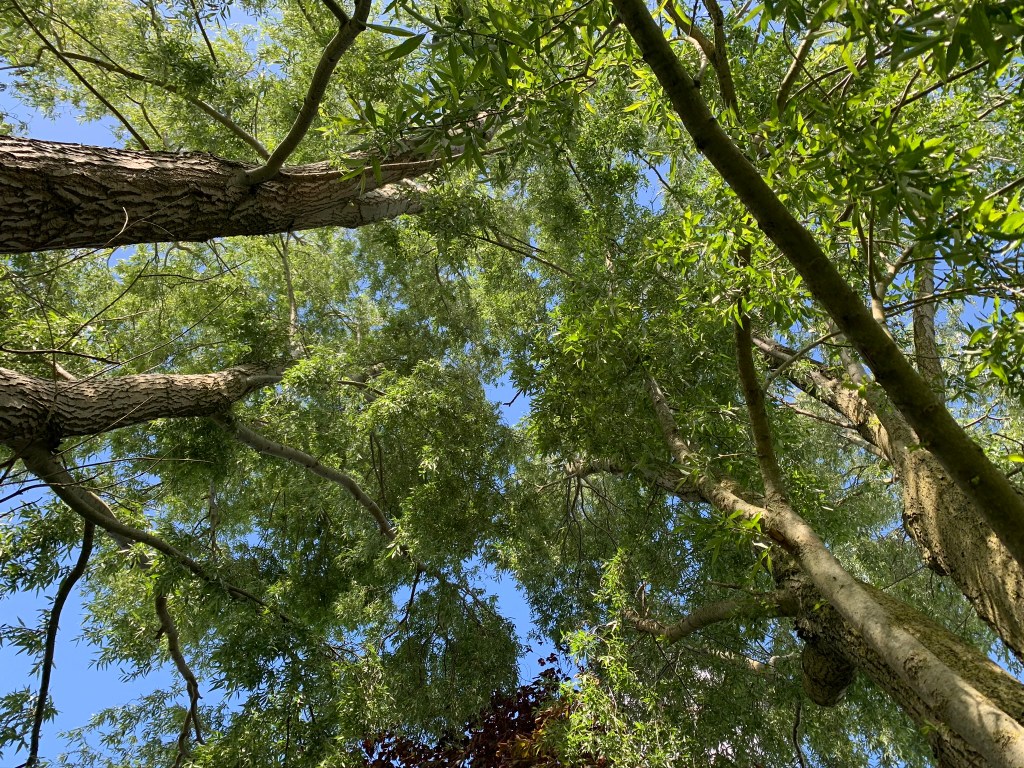

Journey’s End
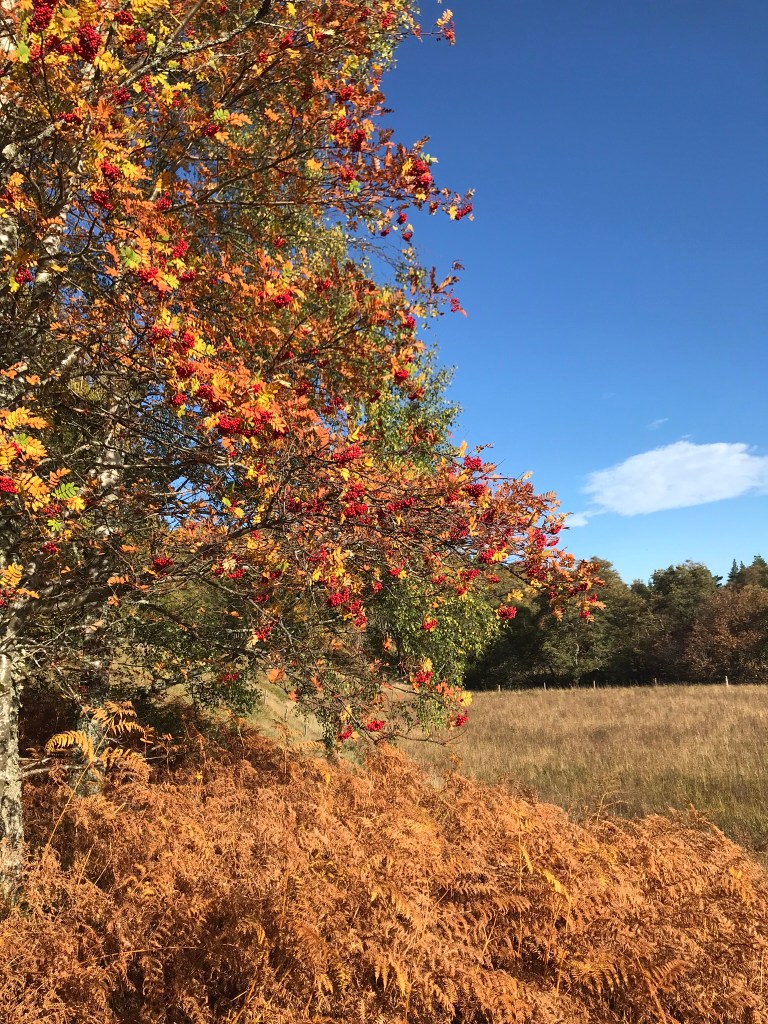
[taken October 2019 in Scotland]
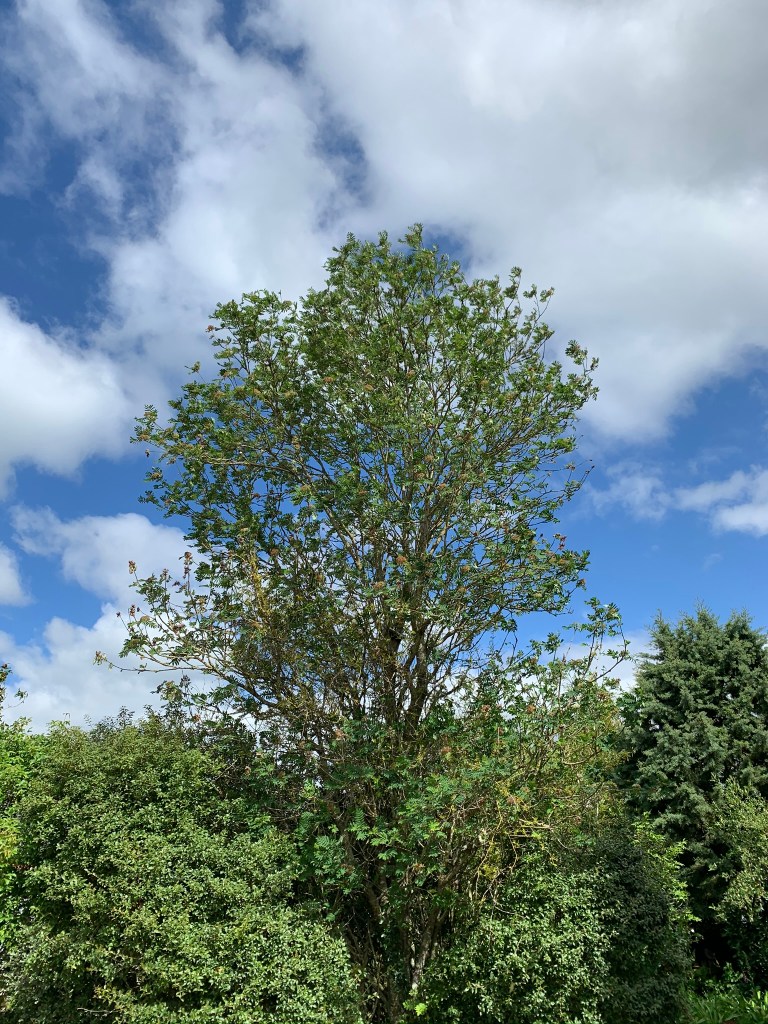
A tree for your back door. A tree to guard over you and fend off evil spirits and sorcery. A tree that is widely sold in the garden centres of the UK under the gambit of its mythical qualities.
A tree to end a story – a face in a piece of oak I was cutting
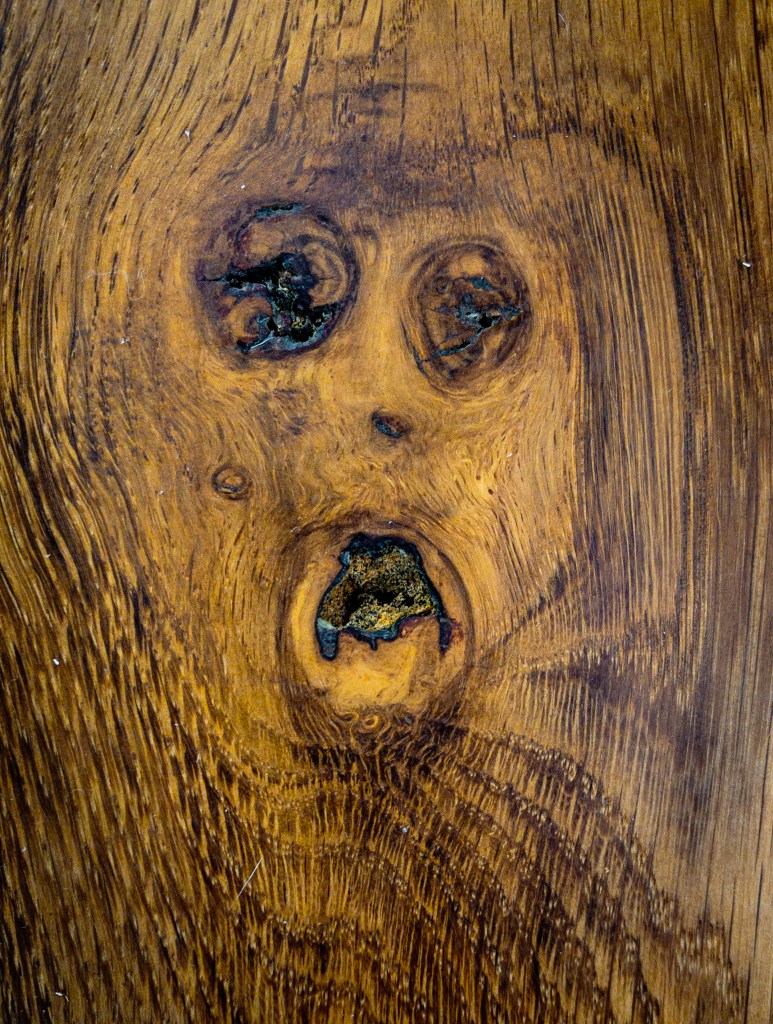
No wonder people believed in spirits, ghouls, witches and the power of the unknown.
 jimsoccasionalblog